Katong laksa classic
328 Katong Laksa
Beloved Katong laksa stall known for its rich, coconut-forward bowls of Peranakan-style laksa in the East Coast neighbou...
A neighbourhood-led guide to global flavours in Singapore — from hawker-centre classics to fusion cafés, seafood zi char and home recipes to try.
In Singapore, every neighbourhood is a mini world kitchen — eat widely, and follow the queues.
Great food here isn't about authenticity tests — it's about how recipes adapt and become beloved.
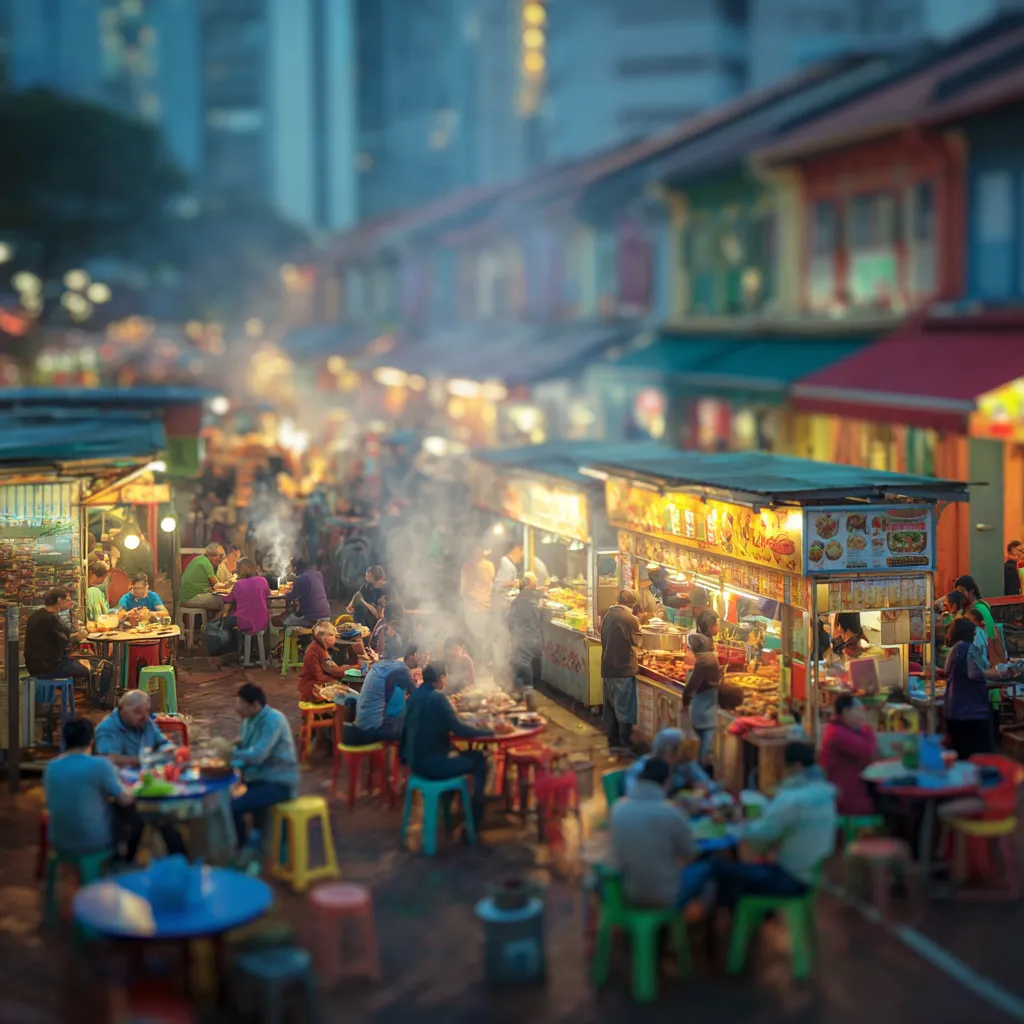
Singapore’s food scene is a living classroom: centuries of trade, migrant communities and a small but cosmopolitan population mean you can eat Thai curries, Malay nasi lemak, Indian briyani, Chinese zi char and modern European plates in one afternoon.
From kopitiams and hawker centres to neighbourhood cafes and waterfront seafood restaurants on the East Coast, the city’s food DNA is both local and global — a perfect place to explore how dishes travel, adapt and become Singapore favourites.
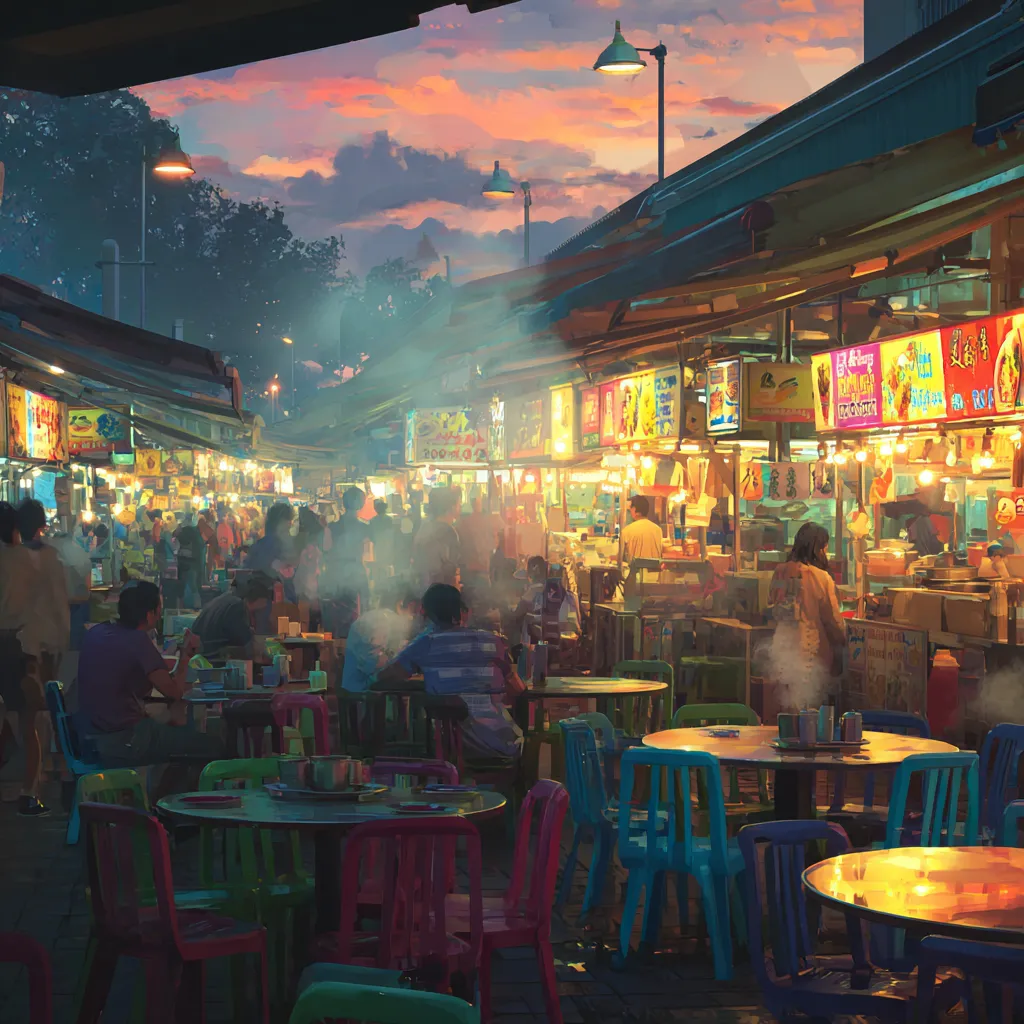
Tiong Bahru is ideal for boutique cafes and heritage bakeries; Tekka Centre in Little India offers South Asian spices and snacks; Katong is famous for Peranakan laksa and Peranakan-influenced fusion; East Coast is where seafood and late-night zi char meet the family crowd.
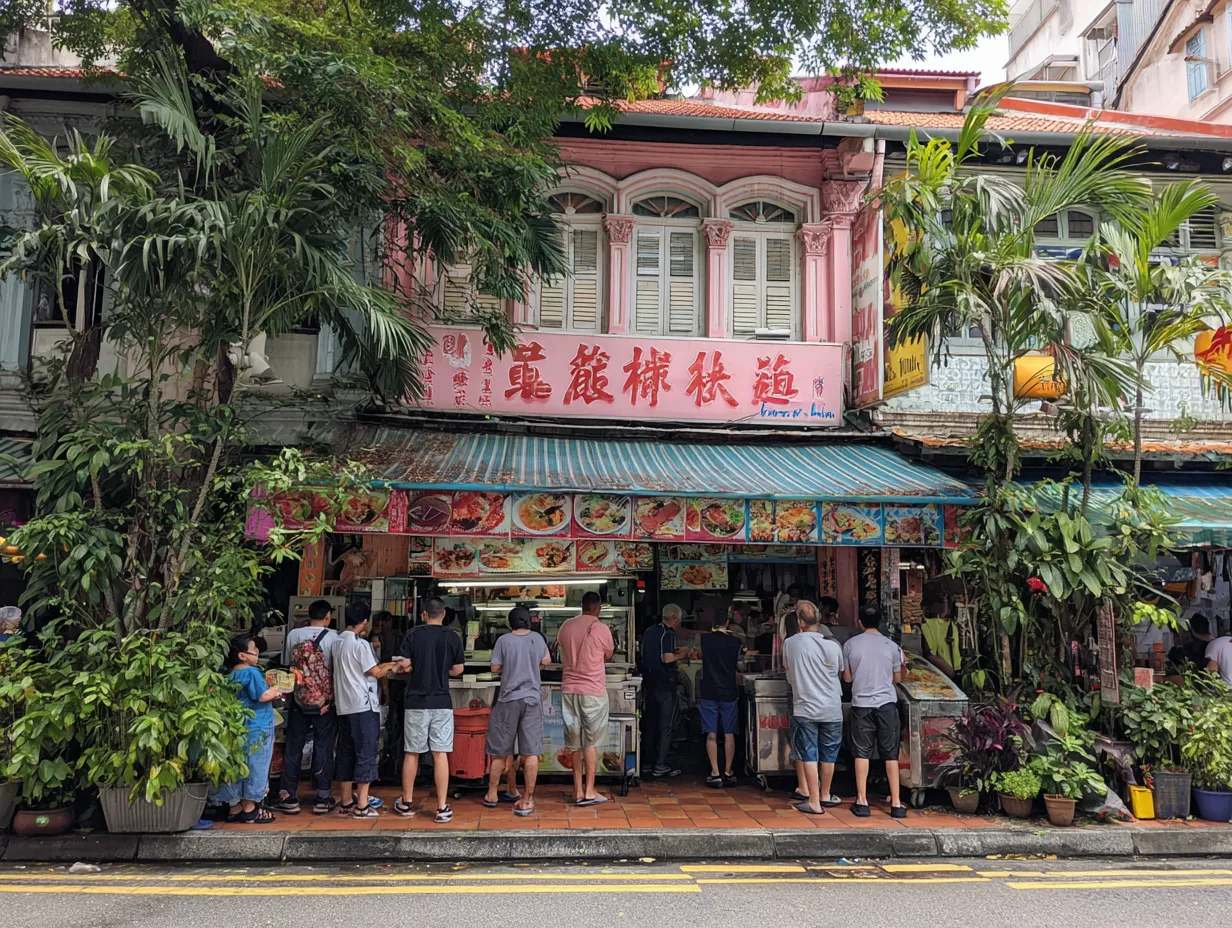
If you’re after a classic hawker experience, head to Changi Village or Newton Food Centre for comforting, affordable plates; for seafood feasts by the water, Melben and Jumbo Seafood are go-to names.
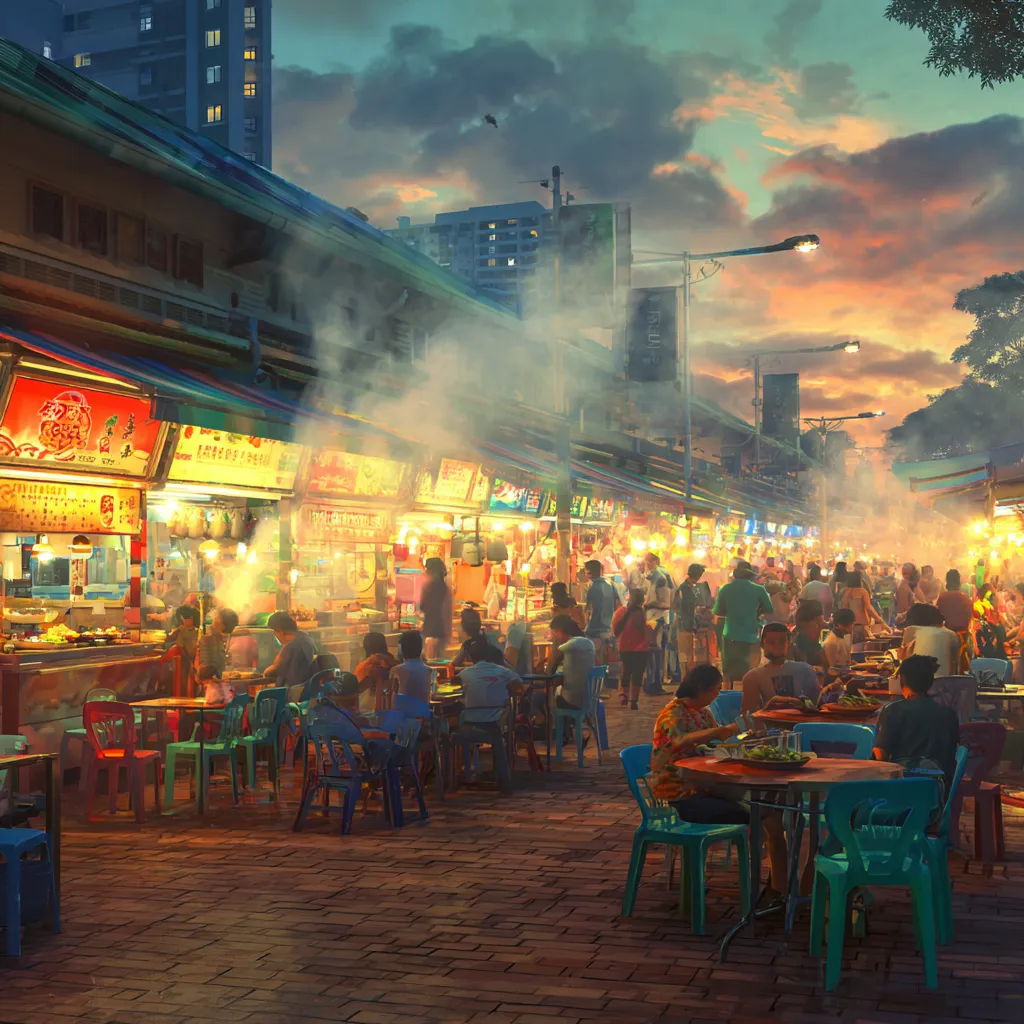
Some plates arrived whole, some were reinvented. Char kway teow and Hainanese chicken rice have roots in southern China but are now quintessentially Singaporean. Laksa blends Chinese, Malay and Peranakan traditions into a coconut-lemongrass broth.
Modern Singapore chefs pair global techniques with local produce — think salted egg yolk crab given a European plating or pasta tossed with sambal for an East–West twist.
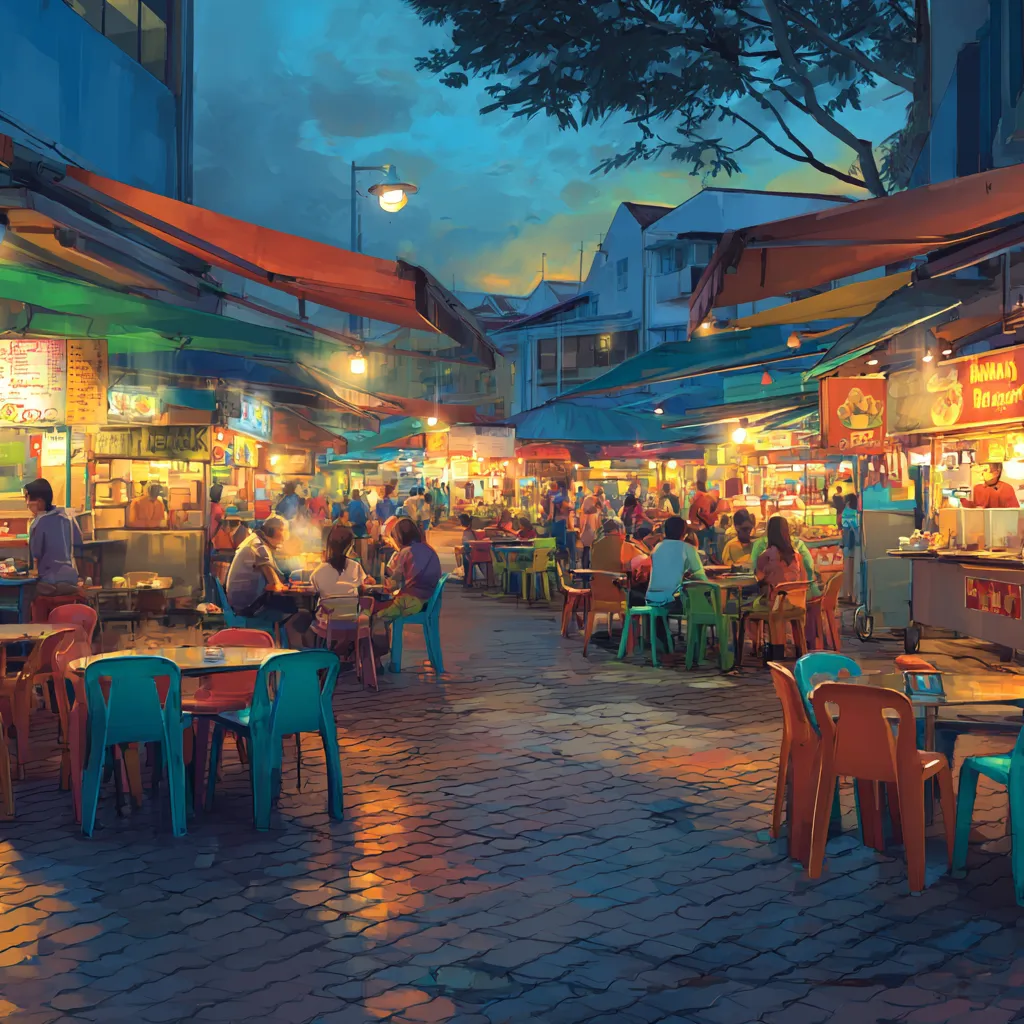
When at a hawker centre: bring cash (some stalls accept PayNow), avoid blocking queues, and share plates so you can makan more dishes. Peak times vary — lunch 12–2pm and dinner 6–8pm are busiest, while supper spots pick up after 10pm.
Politeness counts: clear your tray, return plastic plates to the collection point and be patient at popular stalls. For seafood restaurants, book ahead for weekends, and be ready for portion sizes that are meant for sharing.
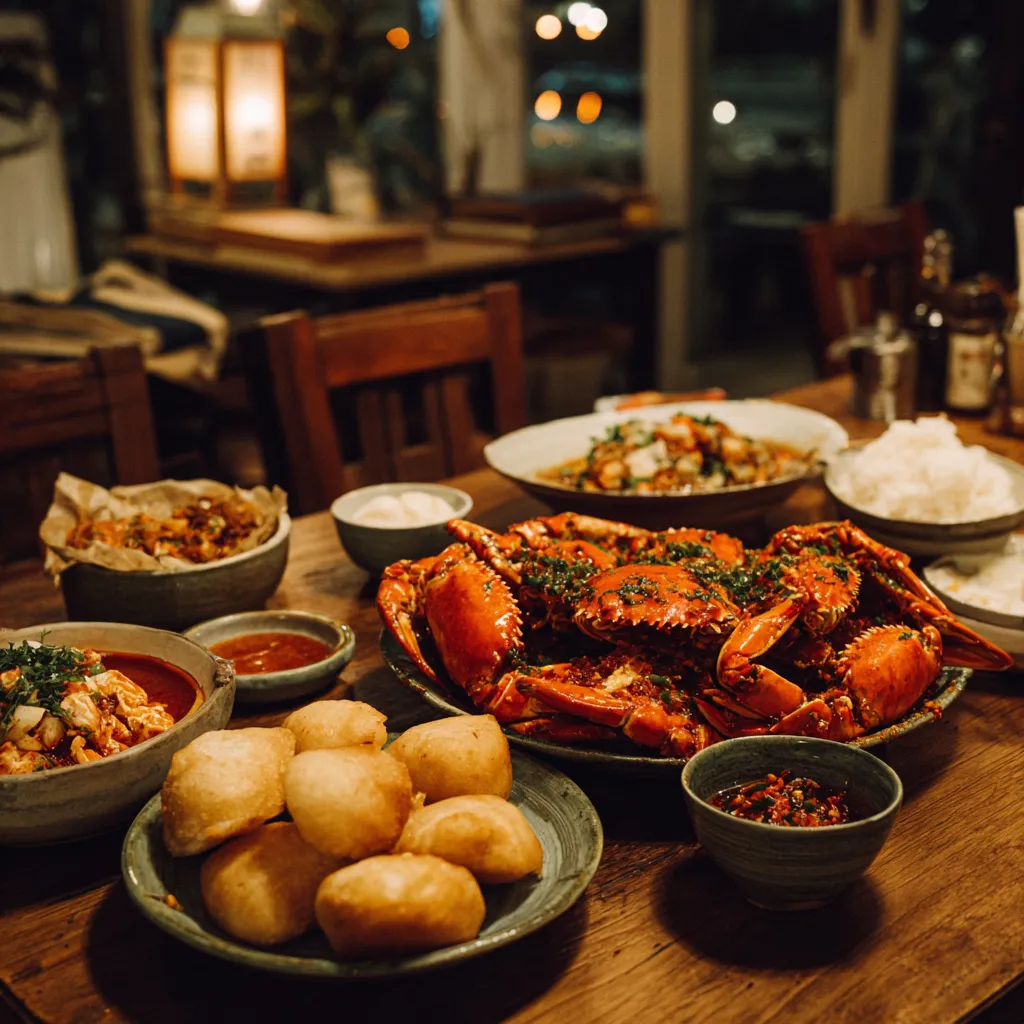
Start with kopi and kaya toast in a kopitiam around Tiong Bahru, then stroll the estate for a bakery pit-stop. Head to Little India or Tekka Centre for a curry and roti prata lunch. Afternoon cafes in Bugis or Orchard are perfect for fusion pastries.
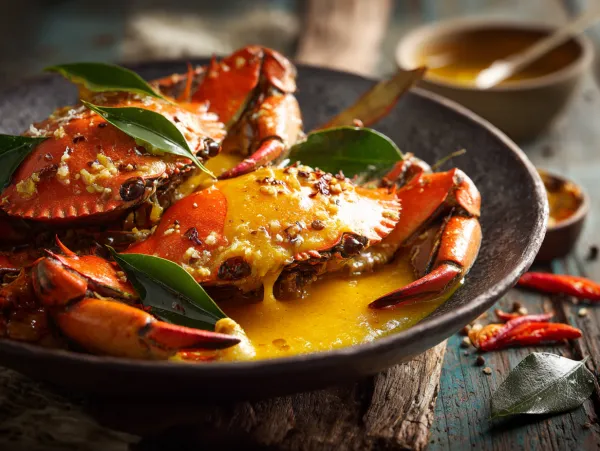
In the evening, pick a waterfront seafood restaurant on the East Coast for chilli crab or salted egg crab, or hit a hawker centre like Newton for a mixed-plate zi char experience. Finish late with supper favourites — consider oyster omelette or fried carrot cake for a true local nightcap.