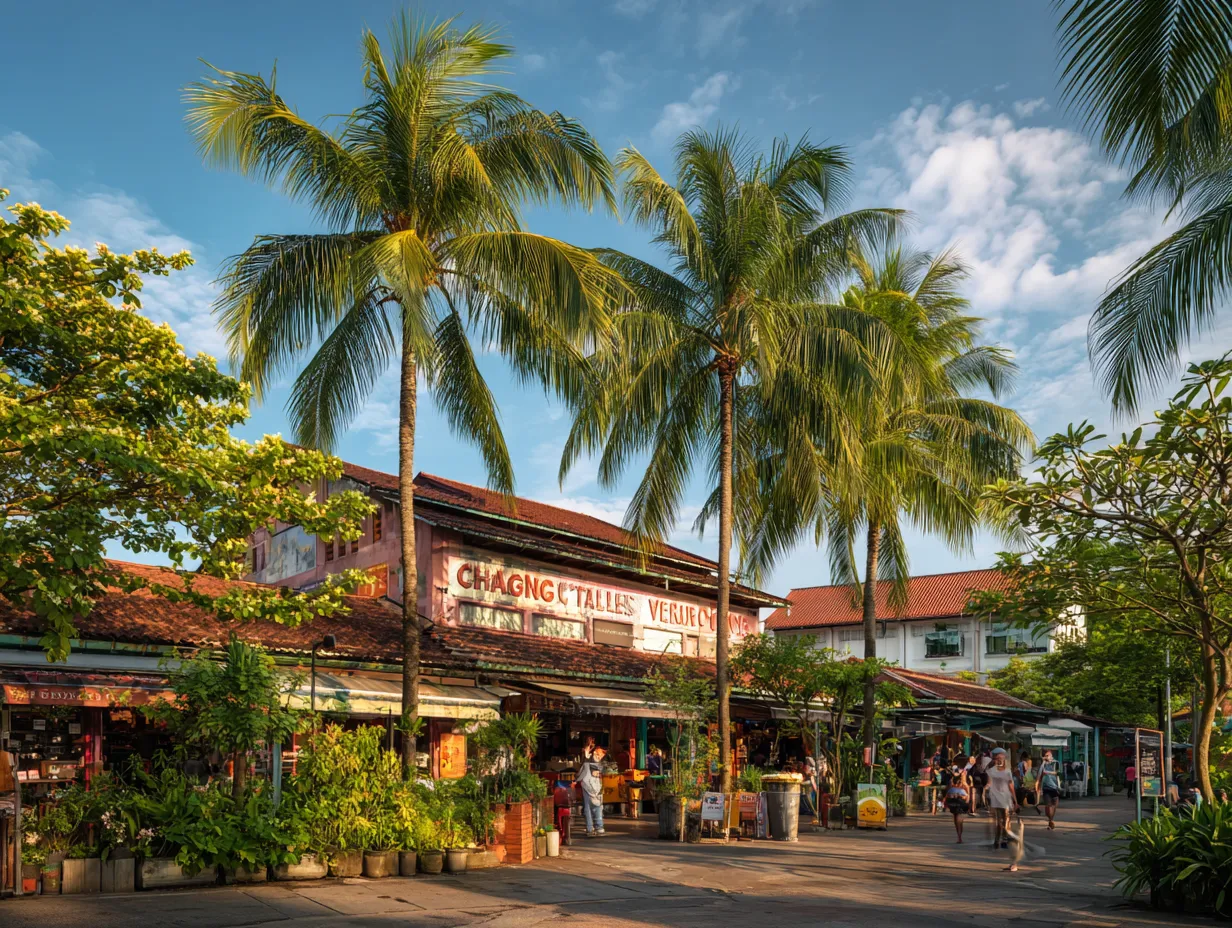
Seafood & supper at the East Coast
Changi Village Hawker Centre
Neighbourhood hawker centre in Changi Village known for classic Singaporean hawker stalls, seafood bites and kopi kaya t...

A concise look at how Singapore’s hawker centres evolved from street stalls to a protected cultural institution — where to go, what to order, and practical tips for makan in the heartlands and CBD.
Hawker centres are Singapore’s living rooms — noisy, delicious and utterly democratic.
The real evolution is people: from street cooks to trained hawkerpreneurs keeping recipes alive.
Hawker centres are more than cheap eats — they are the communal dining rooms of Singapore, where kopi meets kopi talk and different cuisines sit cheek-by-jowl. From morning kopi and kaya toast to late-night zi char and supper runs, hawker centres map the rhythms of everyday life across the island.
This section explains why hawker culture matters: it’s social, affordable, multi-ethnic and a place where heritage dishes are kept alive by stallholders and new hawkerpreneurs alike. For visitors, a trip to a hawker centre is essential for understanding local foodways and neighbourhood character.
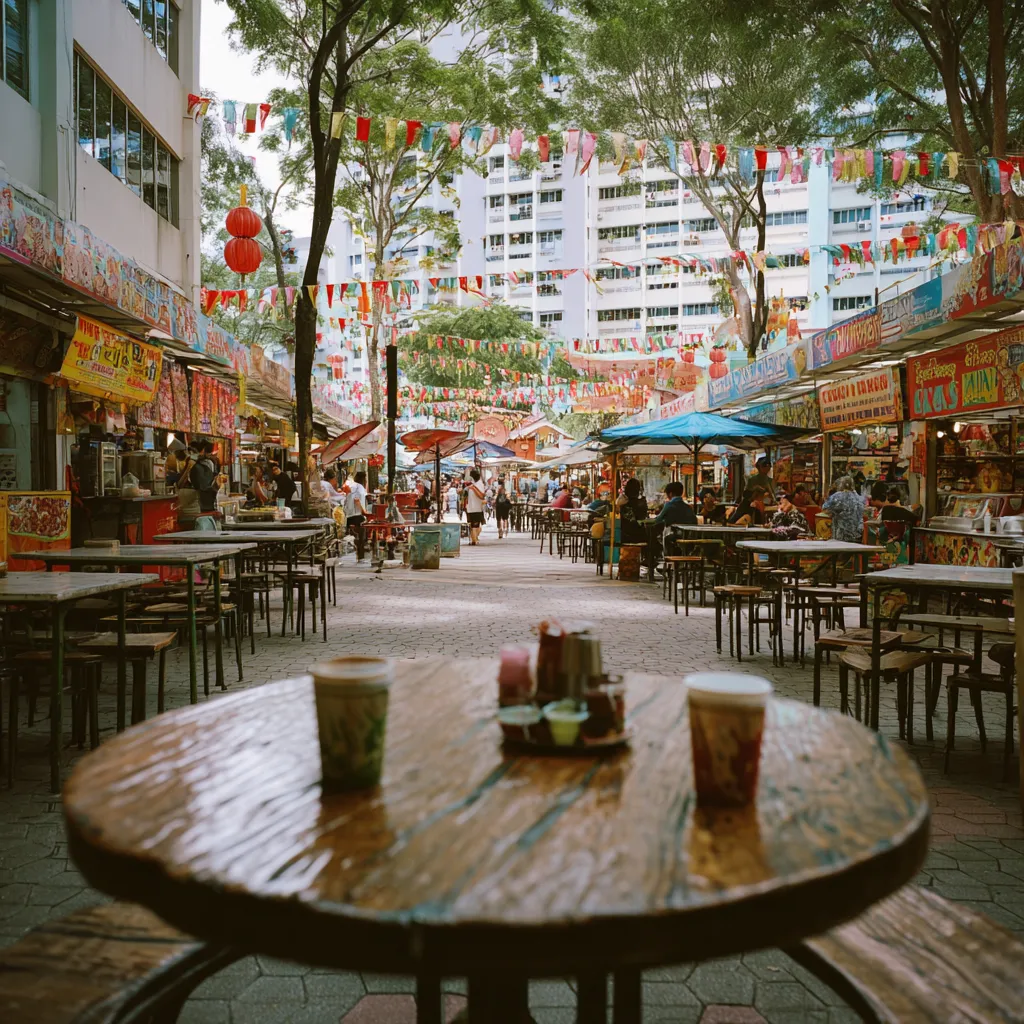
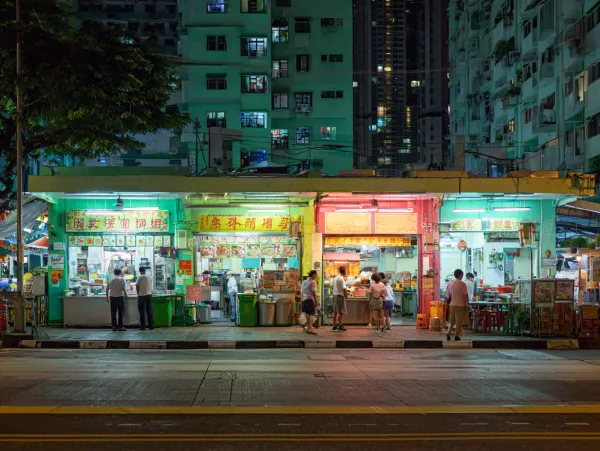
Street hawkers were a fixture in colonial and post-war Singapore, selling food from pushcarts and makeshift stalls. In the 1960s–70s, public hygiene drives and urban redevelopment pushed many of these vendors into purpose-built hawker centres and market complexes. The move centralised food services, improved sanitation and created the hawker centre layout we recognise today.
In recent decades the scene has evolved again: government support, hawker training schemes, and schemes to encourage stall succession have helped stabilise the trade. International attention — including UNESCO recognition of Singapore’s hawker culture in 2020 — has also put a spotlight on sustainability, stall legacies and the challenge of younger generations taking over.
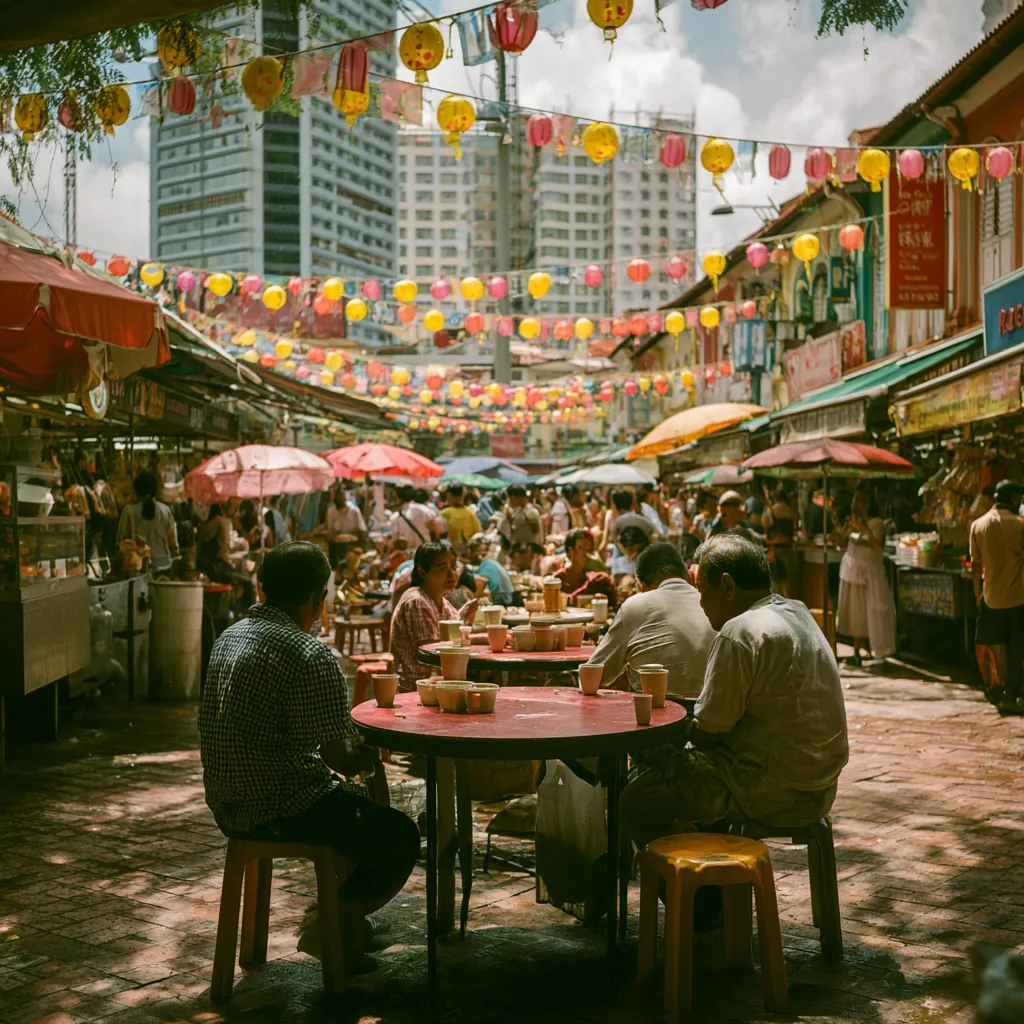
Which hawker centre to visit depends on what you want to eat and the vibe you’re after. In Tiong Bahru you’ll find heritage stalls next to hip cafés; Newton Food Centre attracts tourists and office crowds for seafood and BBQ; Lau Pa Sat sits in the CBD with satay and evening bustle; Tekka Centre in Little India is perfect for biryani and Indian-Muslim hawker fare; Changi Village keeps an old-school East Coast charm and supper culture.
Mix and match: combine a morning kopitiam in Tiong Bahru with a Chinatown lunch and an East Coast seafood dinner to experience different eras and atmospheres of Singapore’s hawker tradition.
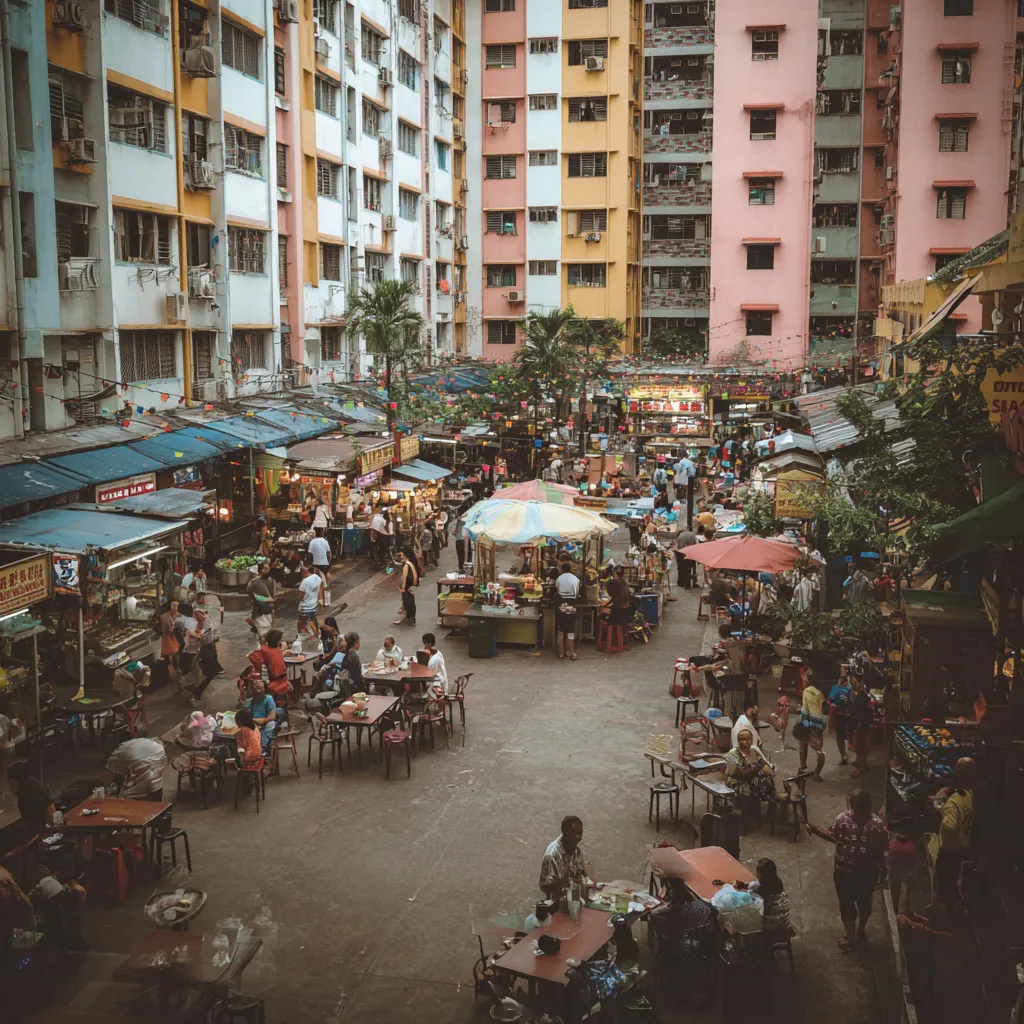
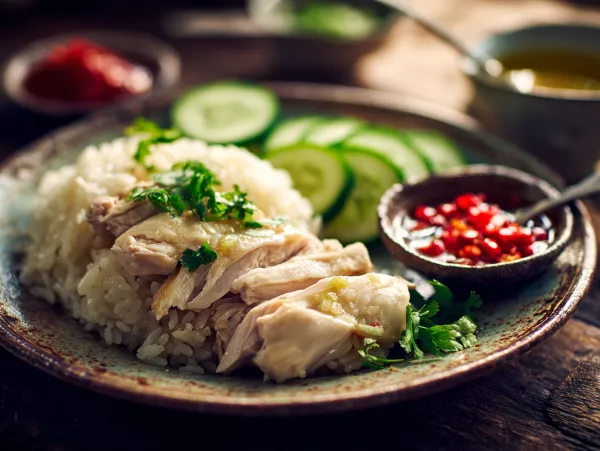
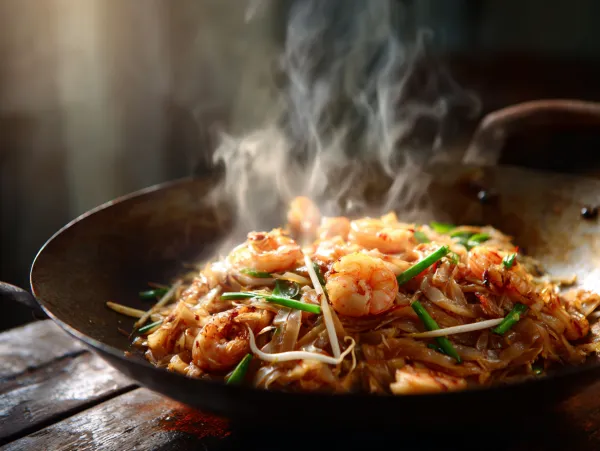
A hawker visit is about variety. Order small plates to share — Hainanese chicken rice, char kway teow, Hokkien mee, nasi lemak, oyster omelette and popiah are classic choices. Don’t be shy to ask for chilli on the side and to try a local drink such as kopi or bandung.
Practical ettiquette: queue for popular stalls, take a number if provided, clear your table after eating, and carry small change for cash-only stalls. Many centres now accept PayNow QR and cashless options, but having coins or small notes helps during peak hours.
Plan your trail around neighbourhoods to minimise travel: Tiong Bahru morning, Bugis/Chinatown lunch, East Coast dinner; or an evening satay crawl at Lau Pa Sat then dessert at a nearby kopitiam. Use MRT and short taxi/Grab rides — most hawker centres are within a short walk of an MRT station.
Common mistakes visitors make: expecting restaurant-style service, ordering the entire menu at one stall, or assuming peak hours are the best time to avoid crowds. Peak is great for atmosphere, but if you want short queues, go mid-afternoon on weekdays.