Neighbourhood hawker favourites
Tiong Bahru Hawker
A bustling neighbourhood hawker centre in Tiong Bahru known for classic Singapore street food and kopitiam-style breakfa...
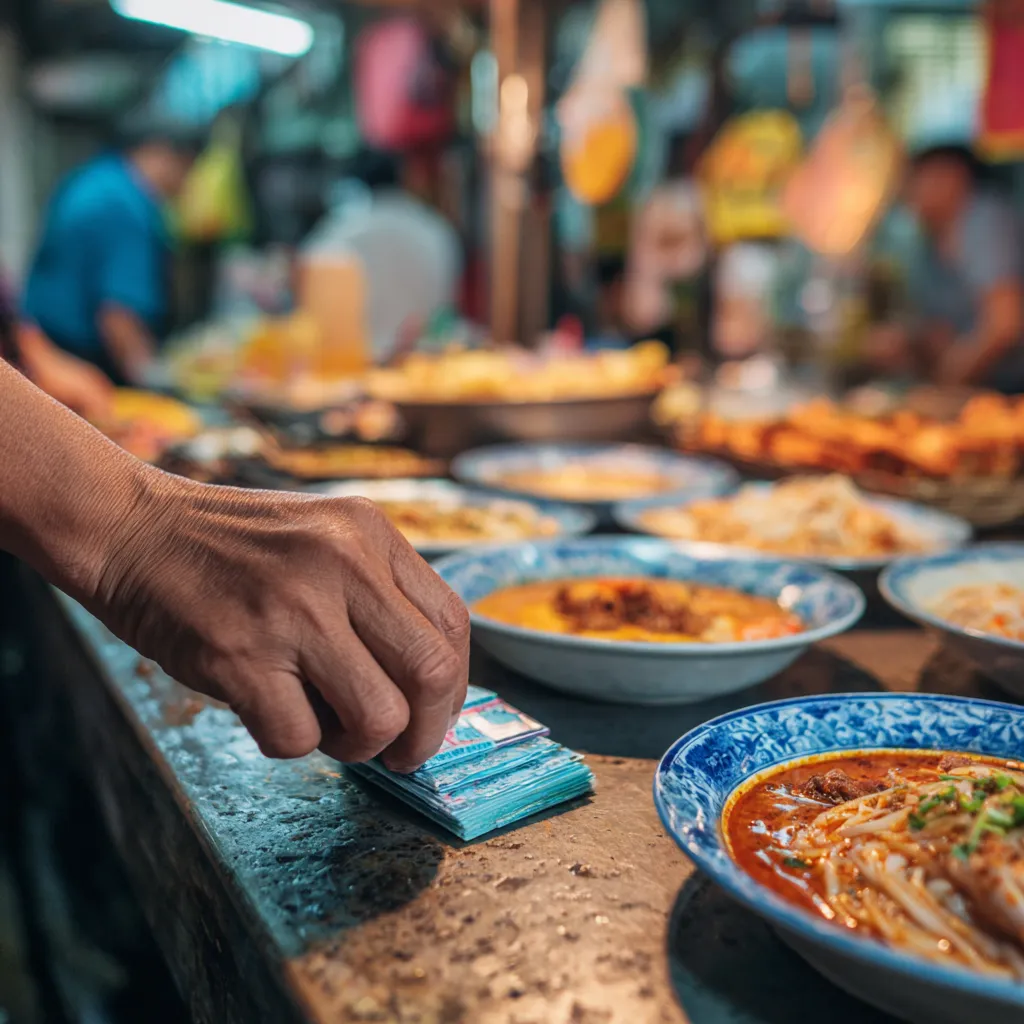
A practical, local guide to the uniquely Singapore habit of “chope” — when to reserve a seat at hawker centres, kopitiams and what’s considered polite behaviour across neighbourhoods like Tiong Bahru, Katong and the CBD.
A tissue packet on a chair says more than a reservation — it’s a quiet, practical signal that you’ll be back for your meal.
Chope is about courtesy as much as convenience — leave something visible, keep it unobtrusive, and return quickly.
In Singlish, to “chope” is to reserve a seat — most commonly at hawker centres, kopitiams and casual food courts. You’ll see tissue packets, umbrellas, face masks or a jacket left on a table while someone queues at the stall. It’s not formal, but it’s widely understood across neighbourhoods from Tiong Bahru to Katong and the CBD lunch crowd.
The practice saves hawker-goers from losing a spot during busy meal times and is part of the practical, everyday etiquette that keeps communal dining working in Singapore’s dense food landscape. While the term sounds playful, understanding the rules around it matters if you want to makan like a local.
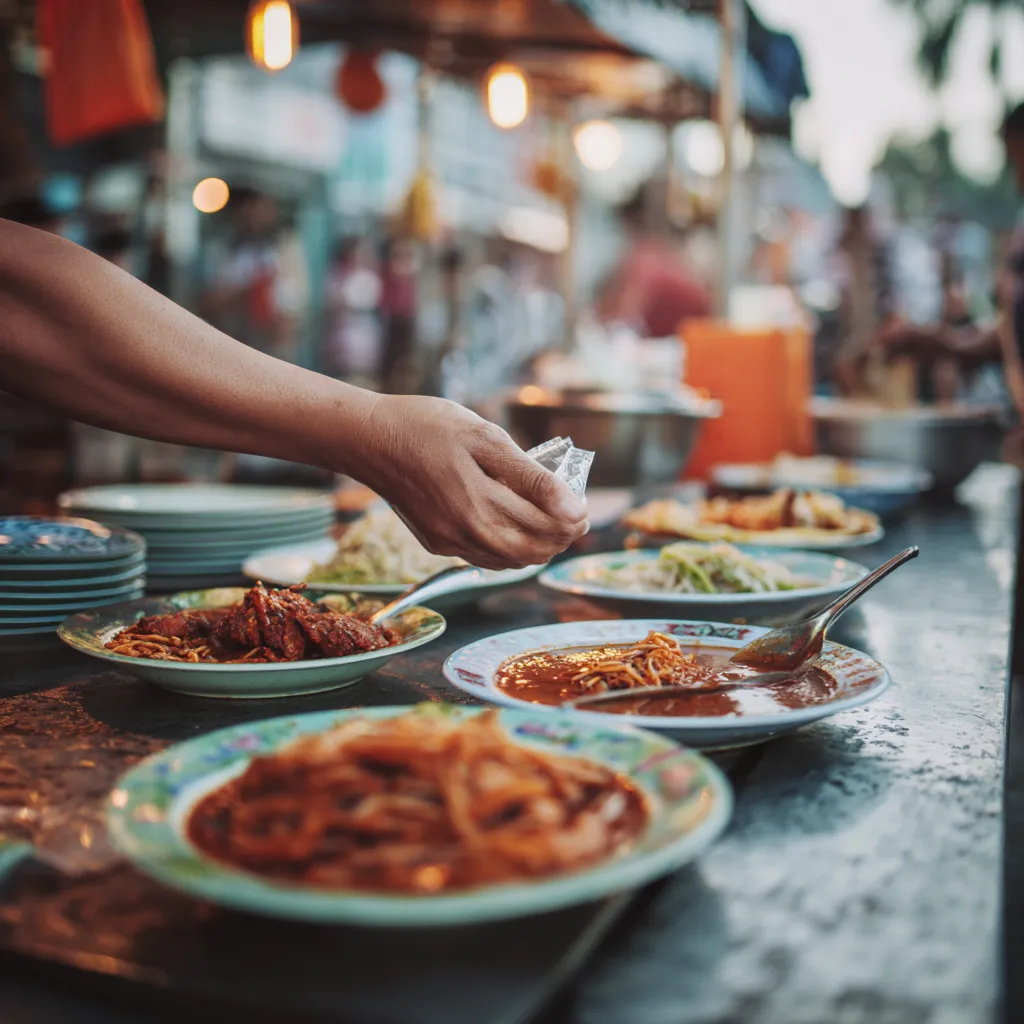
Do be discreet and tidy: place a modest, lightweight item on the table and avoid leaving large luggage that blocks walkways. Locals favour tissue packets because they’re small, visible and easy to remove.
Don’t assume a chope is inviolable in every circumstance. If you’re gone for an unusually long time, if the item is knocked off, or if the table is clearly needed by a large group, others may reclaim it — handle disputes politely and avoid confrontation.
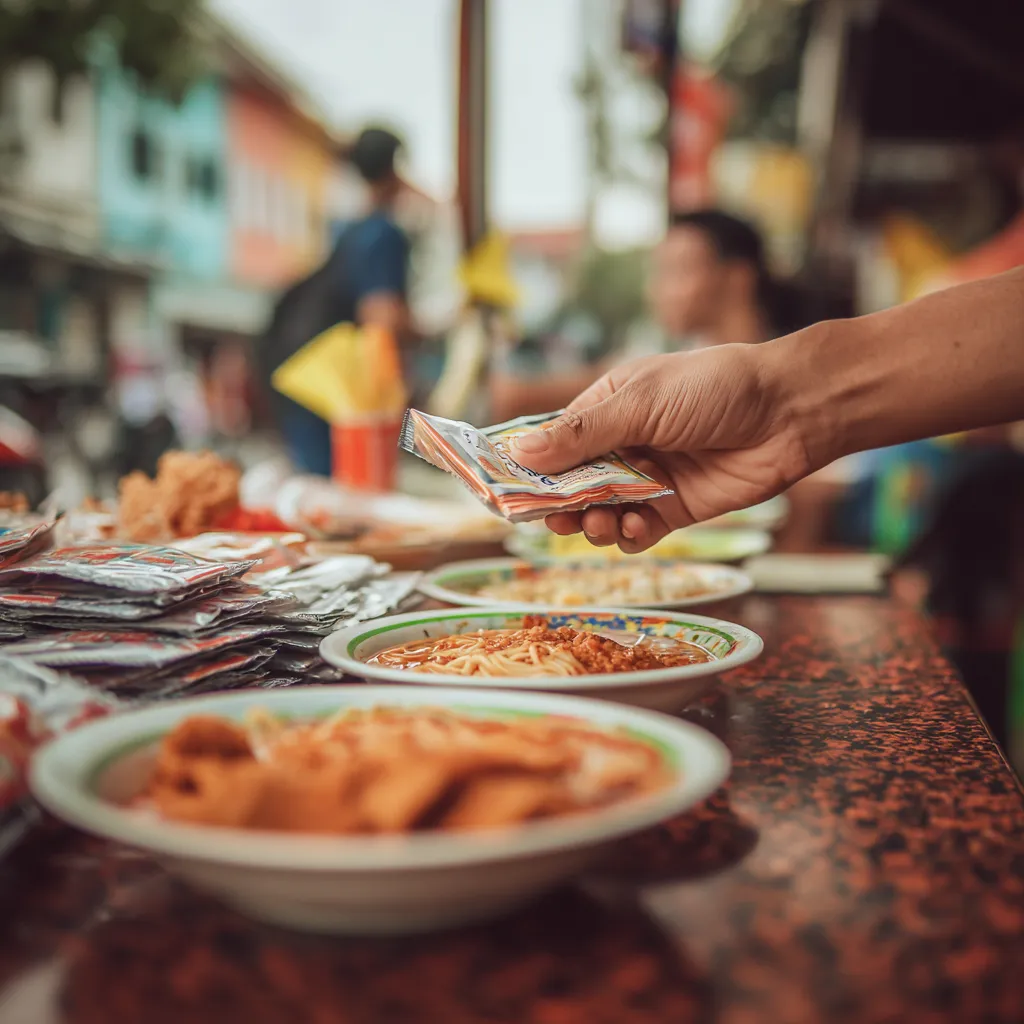
Peak chope times are predictable: weekday lunch (12–2pm) in the CBD and heartland markets, after-school snack runs and supper (10pm–2am) near late-night haunts. At places like Lau Pa Sat or Newton Food Centre, chope culture is intense during office lunch rushes and festival days.
If you’re hopping a makan trail — say, starting with ikan bakar in the East Coast then moving to zi char in a heartland kopitiam — plan who queues and who chope. That small strategy saves time and keeps your group together without losing a table.
With smartphone culture, some people now use reservation platforms for kopitiam-style stalls or restaurants — the proper nouns like Chope (the booking app) and Eatigo exist alongside the verb. But at most hawker stalls, traditional chope remains king: it’s immediate, flexible and rooted in face-to-face queuing.
If you’re a visitor, a respectful approach goes further than any placeholder: ask a nearby diner if the seat is taken, or quickly tell a stall vendor you’re saving a table. Politeness and common sense make the system work — and most Singaporeans will appreciate the effort.