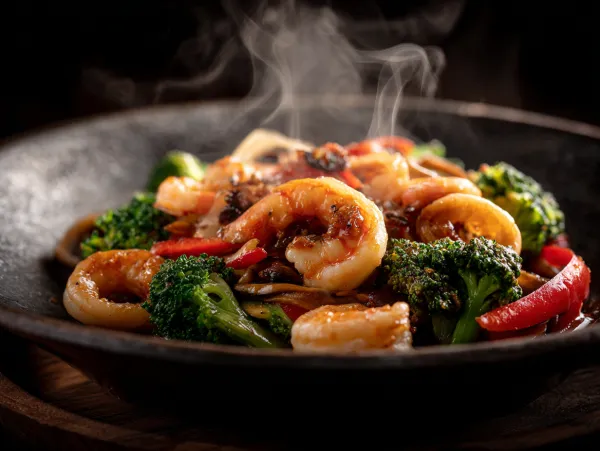

Seafood feasts by the water
East Coast Seafood
A classic East Coast Park seafood restaurant famed for messy chilli crab, punchy black pepper crab and large sharing pla...
A practical Singapore guide to choosing and enjoying sustainable seafood — where to makan, what to look for, and how to eat and cook more responsibly.
Choosing the right fish today keeps our chilli crab and hawker favourites on the menu for tomorrow.
Small changes — asking where it came from, trying mackerel instead of cod — make a big difference.
Singapore imports most of its seafood, and the choices we make here ripple across regional fisheries. Overfishing, destructive methods and long supply chains affect biodiversity and the livelihoods of coastal communities in the region.
For a city of island eaters — from East Coast zi char dinners to chilli crab suppers at the CBD — thinking about sustainable fishing keeps our hawker culture and seafood restaurants supplied long term, and reduces environmental harm.

Look for trustworthy labels and ask questions. The Marine Stewardship Council (MSC) blue tick and ASC certification for farmed seafood are helpful starting points, but local context matters — ask your fishmonger where the catch was sourced and how it was caught.
Learn the simple rules: prefer line-caught or handline fish, choose lower-trophic species (like small pelagics), and avoid endangered or overfished species commonly flagged in regional guides.

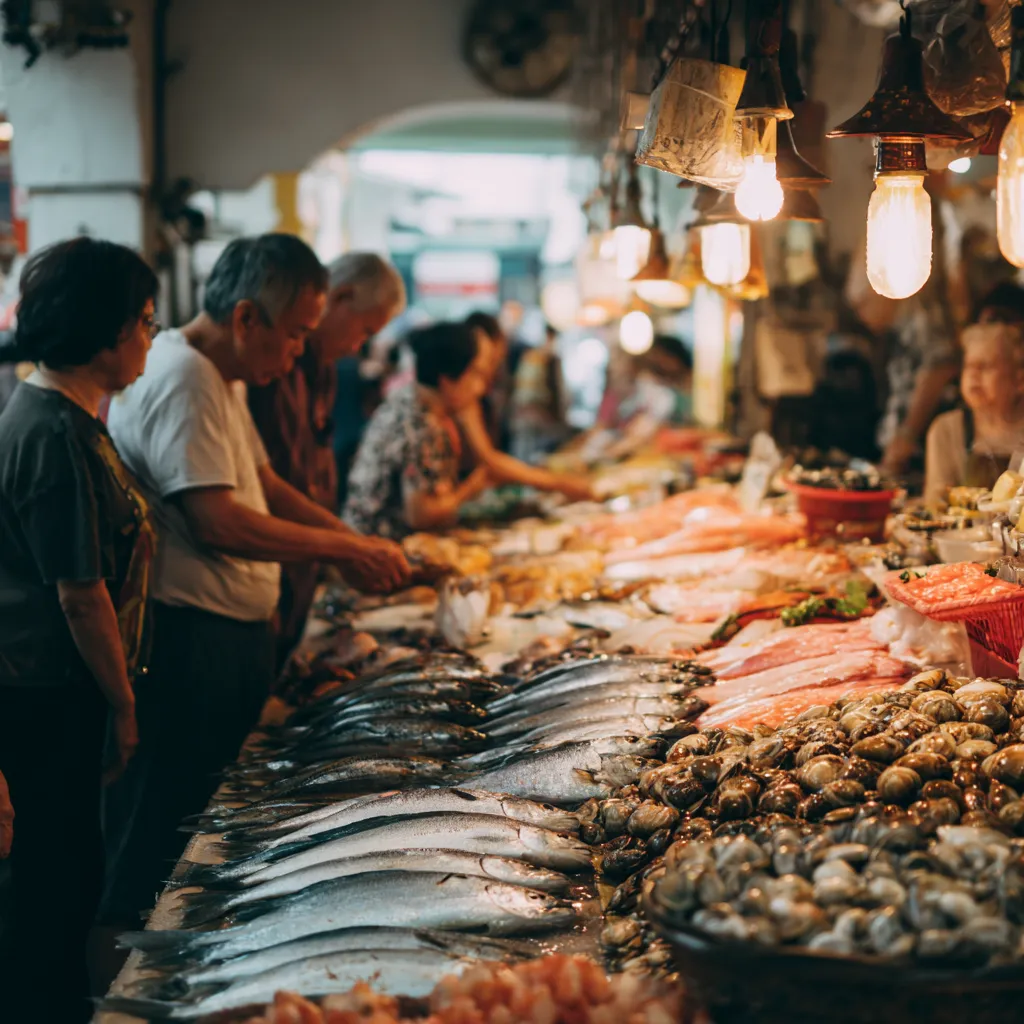
Not every seafood feast has to come from an industrial supply chain. Wet markets in heartland neighbourhoods and some hawker stalls will sell locally landed fish — especially early in the morning at places like Tekka Centre or Old Airport Road (near the East).
Many seafood restaurants along the East Coast and in seaside zones advertise the origin of their seafood; ask them about sourcing. For a mix of celebration and conscience, choose venues that publish sourcing policies or offer lesser-known sustainable species.

Cooking at home is one of the easiest ways to eat more sustainably. Simple preparations highlight less-expensive, under-loved species: pan-fried mackerel with sambal, a quick seafood stir-fry with seasonal greens, or a steamed fish with ginger and spring onion.
Use recipes that adapt to whatever fish you can source responsibly. If a particular fish is expensive or unavailable, swap in a sustainable alternative — the flavour and texture can surprise you, and you’ll be cutting demand for pressured stocks.
Be sceptical of vague traceability. If a stall or menu lists only country of origin without the catch method, ask follow-up questions. The Singapore Food Agency (SFA) and NGOs publish helpful regional advisories and lists of species to avoid.
Plan your makan trail: combine a morning wet-market visit with a hawker lunch and a seaside zi char dinner to sample sustainable choices across neighbourhoods. Avoid impulse buys of high-demand species like certain groupers or imported bluefin tuna.