
Sustainable bakery finds
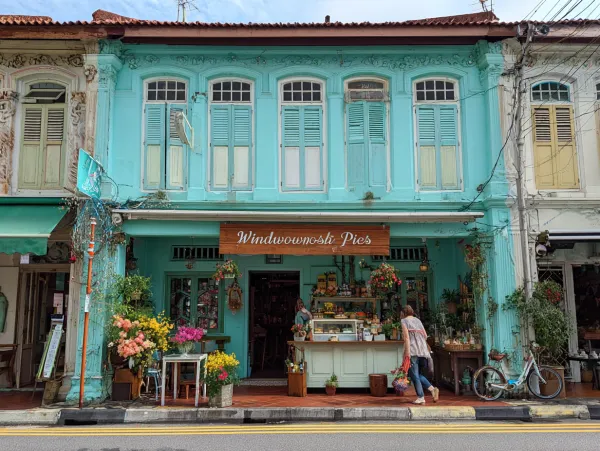
Mother Dough Bakery
Neighbourhood artisanal bakery and café in Tiong Bahru known for naturally leavened sourdough and buttery pastries....
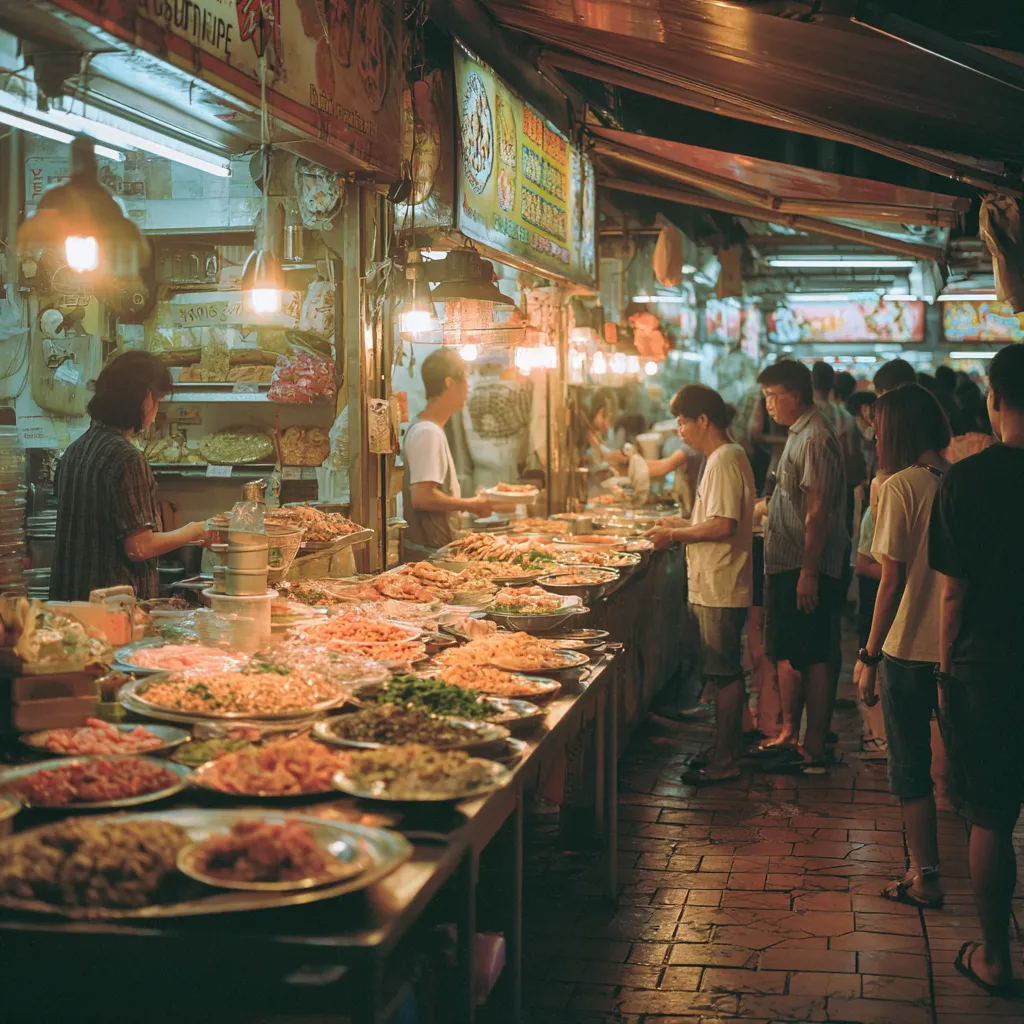
How Singapore restaurants, hawkers and bakeries are cutting food waste — practical strategies, local examples and tips for supporting sustainable dining across the island.
Cutting food waste in Singapore isn’t just about big tech — it’s about small decisions in tiny kitchens and busy hawker stalls.
Buy the day-old loaf, ask for smaller portions, and you’ll be surprised how quickly the industry follows demand.
Singapore is a compact city with a huge appetite for food — from heartland hawker centres to CBD lunch crowds and late-night supper spots. That appetite makes food waste a visible issue: surplus produce, unsold baked goods and plate waste add up quickly when kitchens and stalls operate at scale.
Because land is limited and sustainability is part of national conversations, restaurants and cafes here are under growing pressure to find smarter ways of sourcing, storing and selling food. For diners, that means more eateries experimenting with portion control, discounted end-of-day items and transparent sourcing.
Understanding the problem helps: when F&B businesses cut waste they lower costs, reduce trips to landfill and can even build stronger ties with communities through donations and food-rescue partnerships.
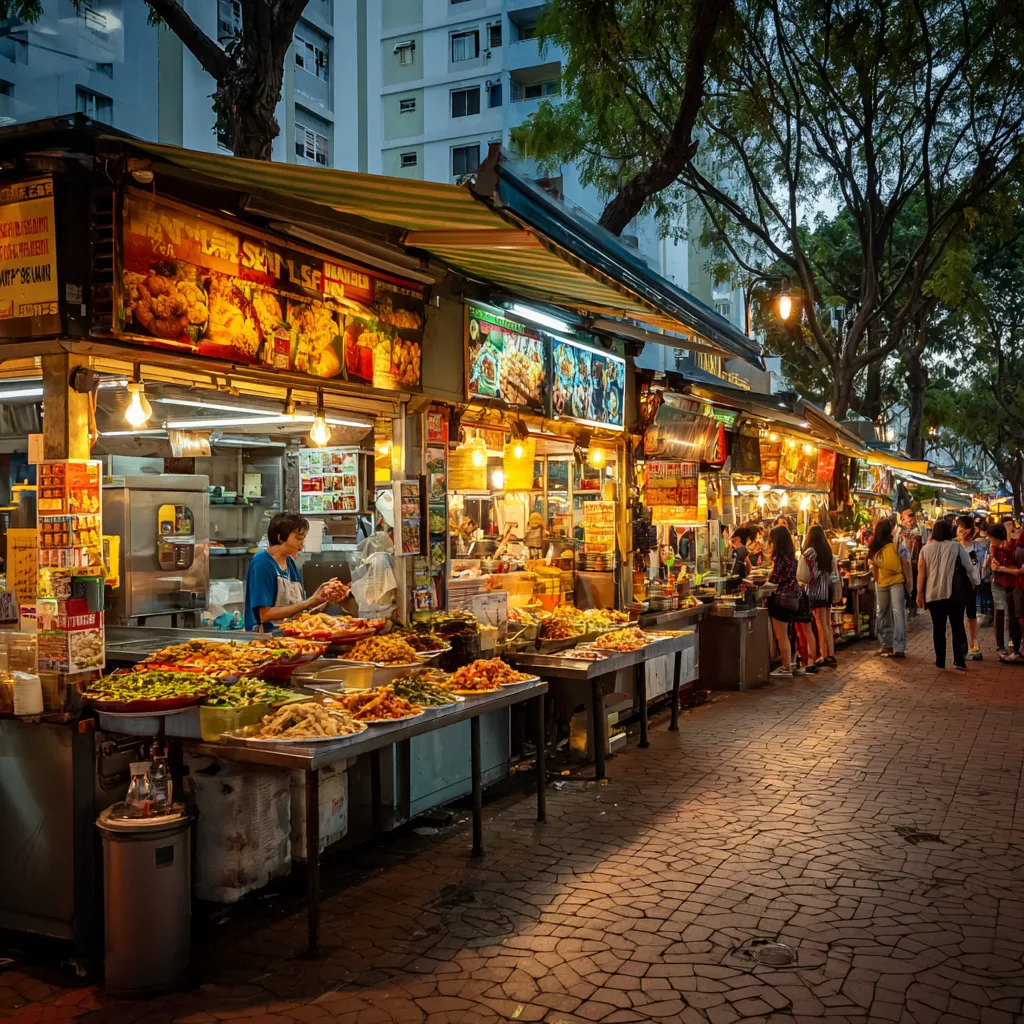
Across Singapore you’ll see a patchwork of practical fixes rather than a single silver bullet. Common approaches include tighter portion control for the CBD lunch rush, better inventory rotation in kopitiams, and reworking unsold items into new menu offerings at bakeries and cafes.
Technology helps too: dynamic pricing (discounts for near-expiry items), inventory-tracking apps and food-rescue platforms that connect surplus to charities are increasingly being adopted by small and mid-sized operators.
On the kitchen side, chefs are using nose-to-tail cooking, turning trimmings into stocks and sauces, and composting organic waste where space allows — sometimes in partnership with local composting services or community gardens.
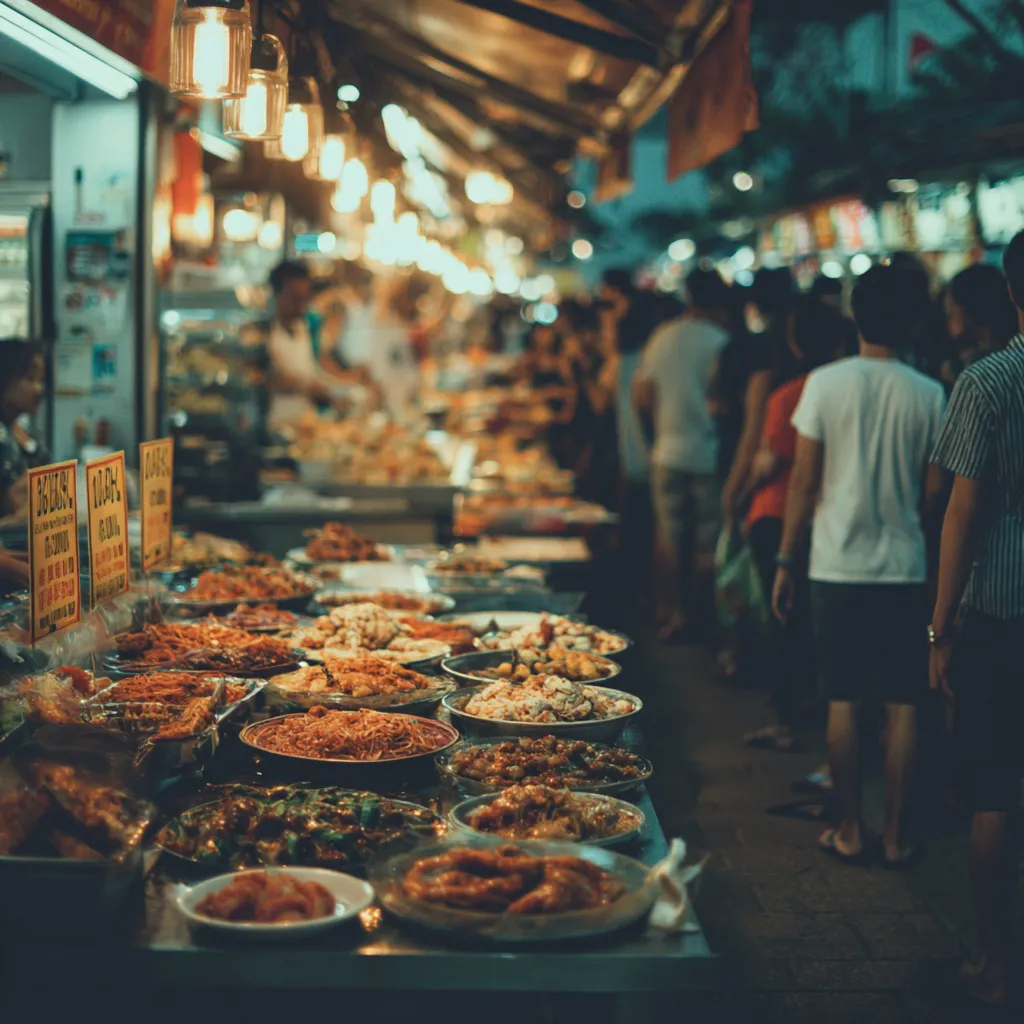
Solutions look different by neighbourhood: in Tiong Bahru and Katong you’ll find independent bakeries and cafes trialling discounted boxes of day-old goods; in hawker centres across the East Coast and Ang Mo Kio, some stalls schedule smaller batch runs during quieter hours to avoid leftovers.
Community-driven models also play a role — local charities, community fridges and volunteer groups regularly collect surplus cooked food and produce from eateries, helping redirect perfectly good food to residents in need.
Restaurants in the CBD and Orchard area are increasingly publishing simple sustainability statements or menu notes about portion sizes and ingredient sourcing, which helps diners make informed choices.
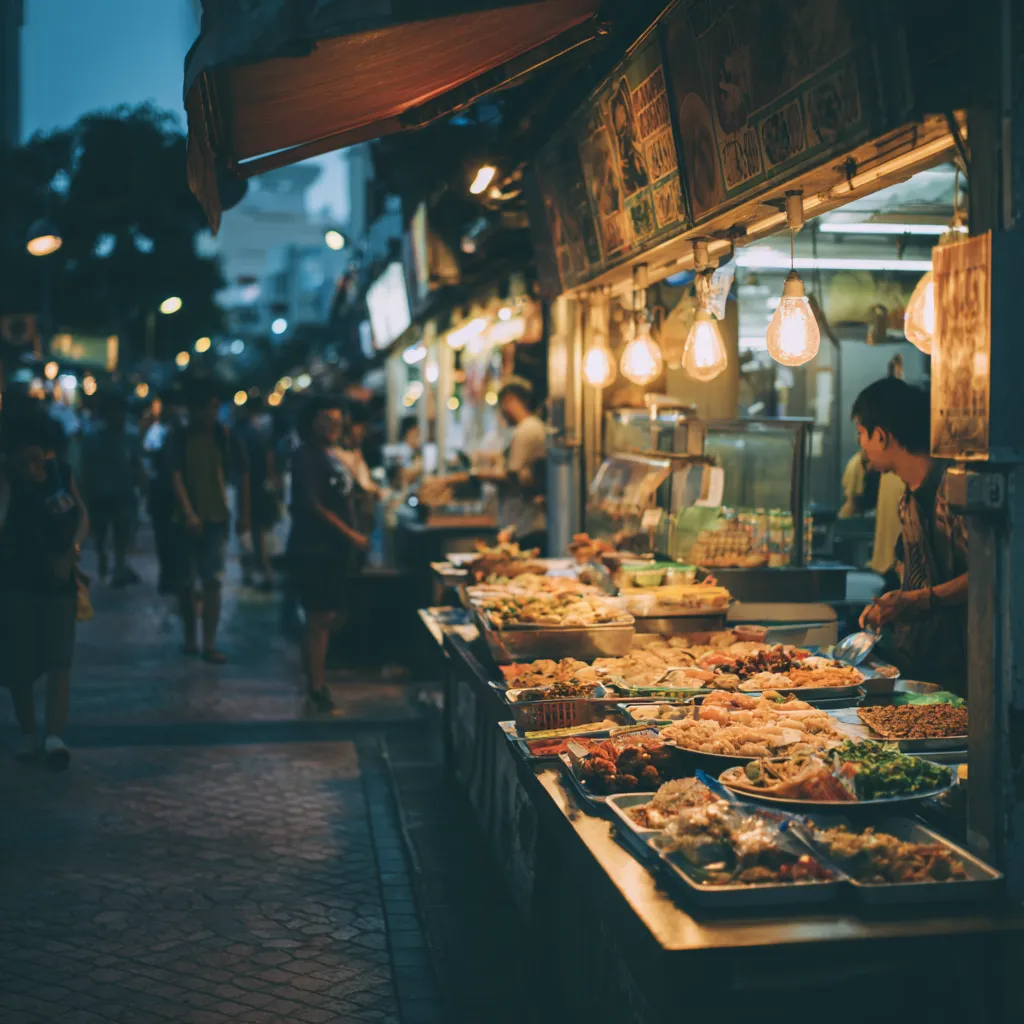
If you want to support restaurants that reduce waste, look for visible cues: labelled discount racks for end-of-day items, clear menu notes on portion sizes, and public partnerships with food-rescue groups. Some cafes list a 'zero-waste' dish or a composting programme on their menu or door.
When ordering, simple actions make a difference: ask for smaller portions if you’re not very hungry, bring a reusable container for leftovers or take advantage of discounted items instead of letting them go unsold.
Being an informed customer matters — restaurants notice demand. If more diners ask for reduced portions, cheaper surplus items, or bring their own containers, operators will view waste-reduction as a business advantage rather than a cost.
A practical way to experience sustainable F&B is to plan a short trail that mixes buys and actions: start at a bakery for a discounted day-old box, move to a hawker centre for a smaller portion lunch, and finish by dropping any unopened surplus items at a community fridge or donation point.
Suggested loop: pick up discounted pastries in Tiong Bahru or Joo Chiat, lunch at a nearby hawker centre (Katong or Tiong Bahru hawker clusters) and end the afternoon with a quick stop at a neighbourhood community fridge or food bank collection point. Time your trail around bakery closing times (late morning) for best end-of-day deals.
Small habits add up — repeated choices to buy surplus items or request smaller portions send a clear signal to the local F&B economy.