Local hawker favourites
Tiong Bahru Hawker
A bustling neighbourhood hawker centre in Tiong Bahru known for classic Singapore street food and kopitiam-style breakfa...
Practical, Singapore-focused tips for staying safe while enjoying hawker centre and street food — what to watch for, where to go, and how to eat like a local.
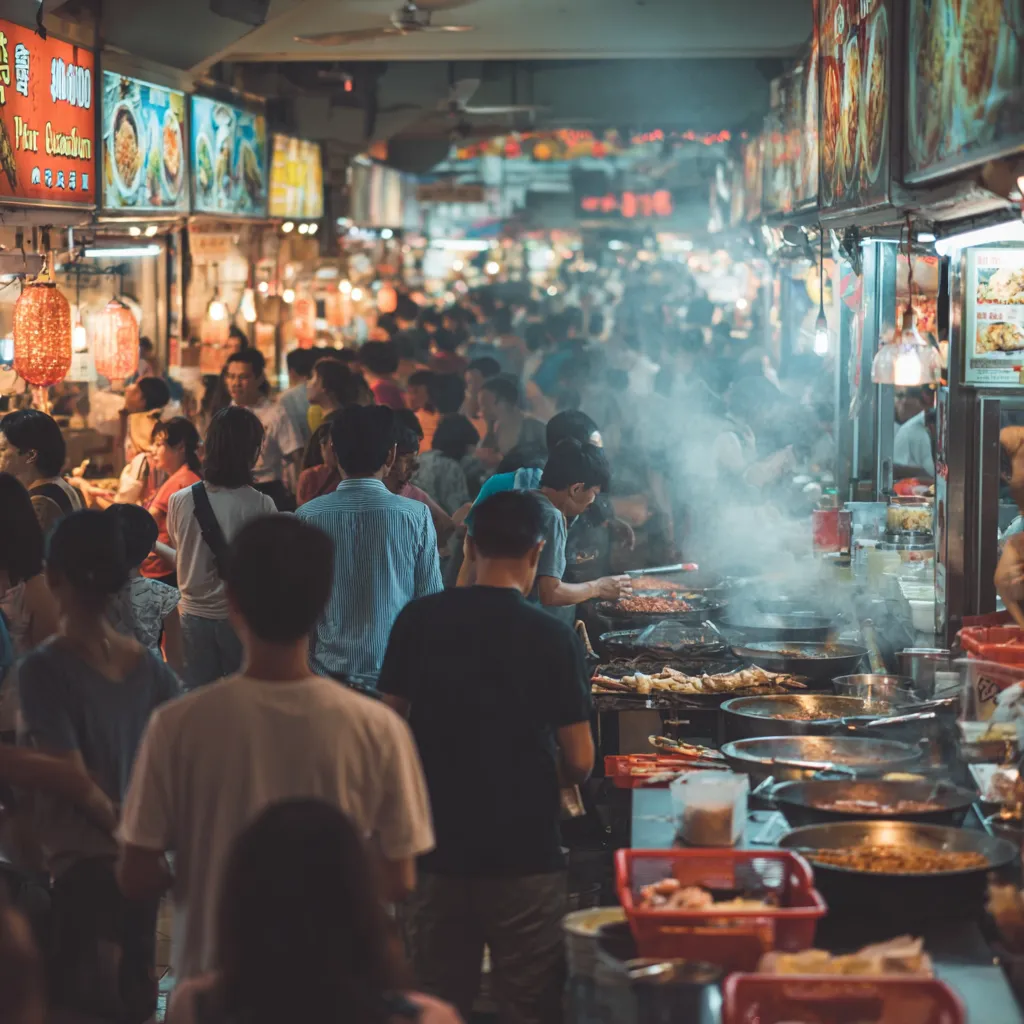
A busy stall with a steady queue is often the best indicator of fresh, safe food.
Ask for food piping hot and sauces on the side — small requests that make a big difference.
Hawker centres, kopitiams and roadside stalls are part of Singapore’s culinary DNA — from Tiong Bahru kopi mornings to late-night zi char runs in the heartlands. While Singapore has high public-health standards, travellers still need to spot safe practices when exploring local food.
This section explains the everyday checks that make a big difference: visible cooking temperatures, stall turnover, personal hygiene and basic sanitation at the venue. Think less fear, more smart choices — so you can makan with confidence.
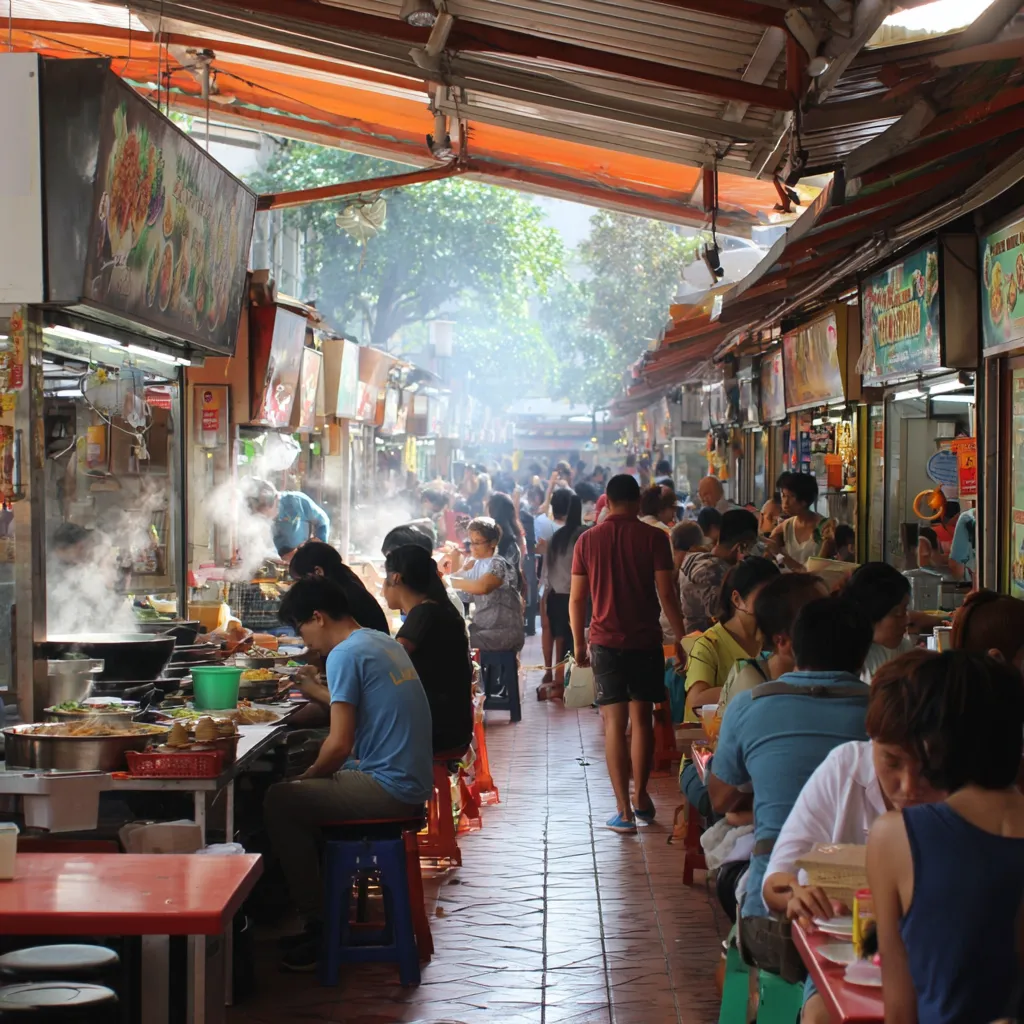
A quick five-second audit often tells you everything you need to know: are ingredients covered? Is raw meat kept separate from cooked food? Is the stall clean behind the counter? Local regulars tend to trust stalls with tidy prep areas and steady queues.
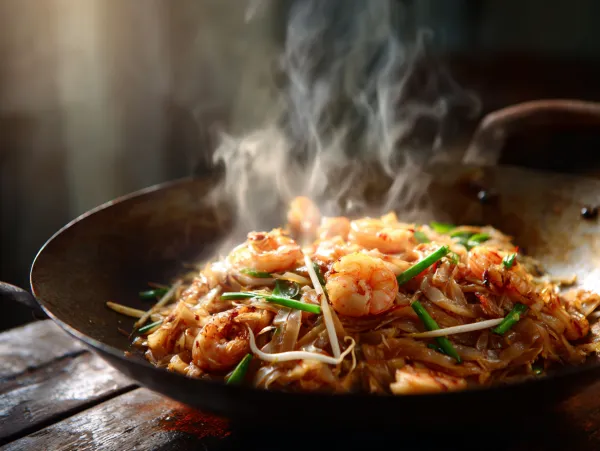
Use your senses: smell (no odd sour odours), sight (no flies congregating on food), and sound (freshly cooked items often come with the sizzle of a hot wok). These cues are especially useful at crowded spots like Lau Pa Sat, Newton Food Centre or Tiong Bahru Hawker.
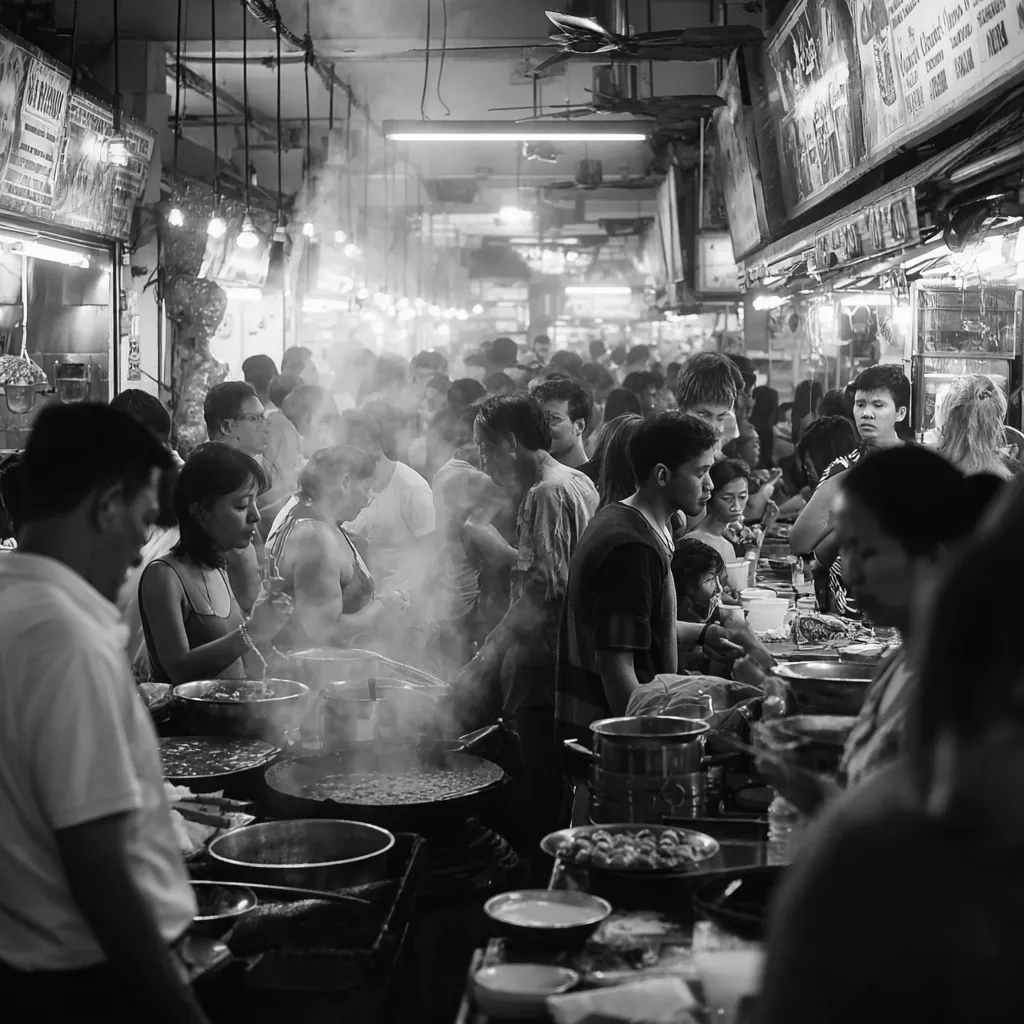
When you order, request items served hot and ask for sauces or condiments on the side — this reduces cross-contamination. For shared dishes like chilli crab or zi char, use serving utensils rather than personal chopsticks to pick from communal plates.
Carry a small pack of tissues or wet wipes and use hand sanitiser before you eat. Singaporeans often bring reusable chopsticks or spoons for takeaway; if you’re sharing, swap serving spoons between dishes.
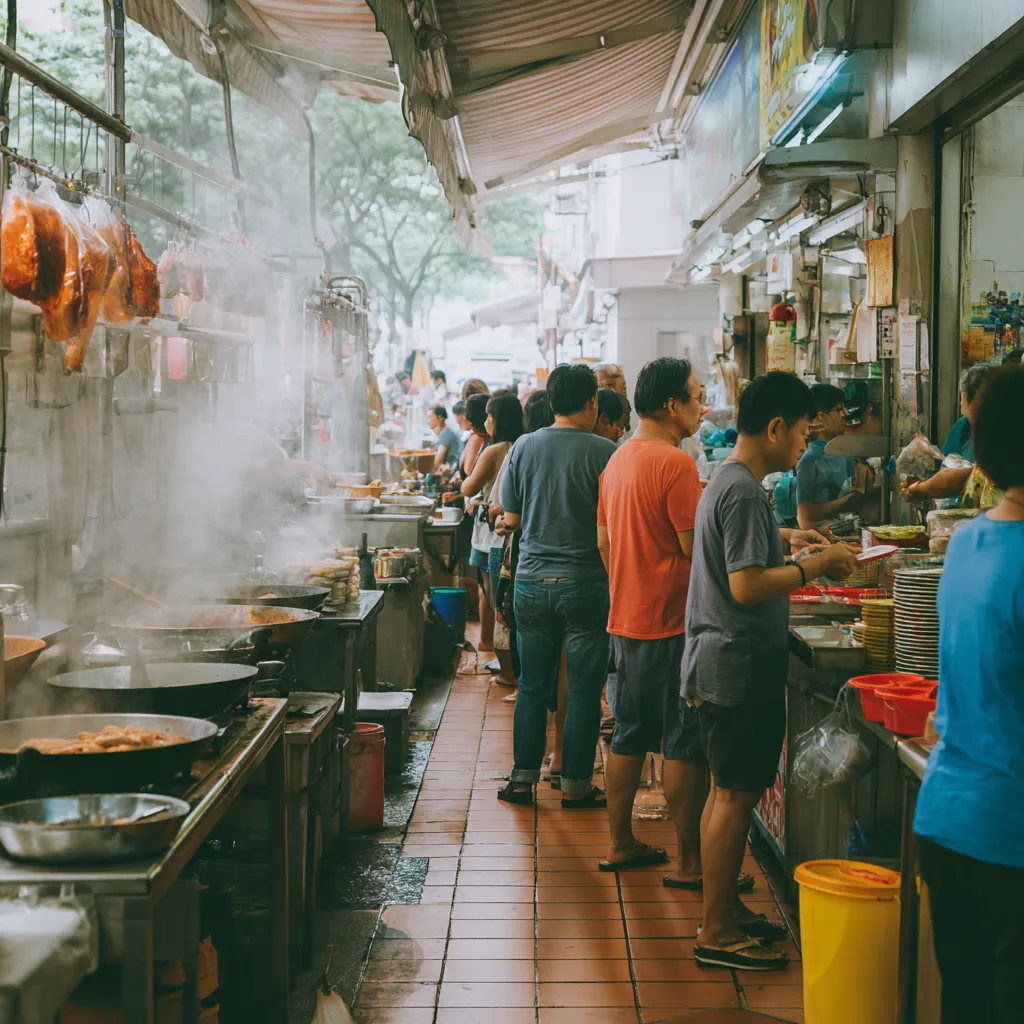
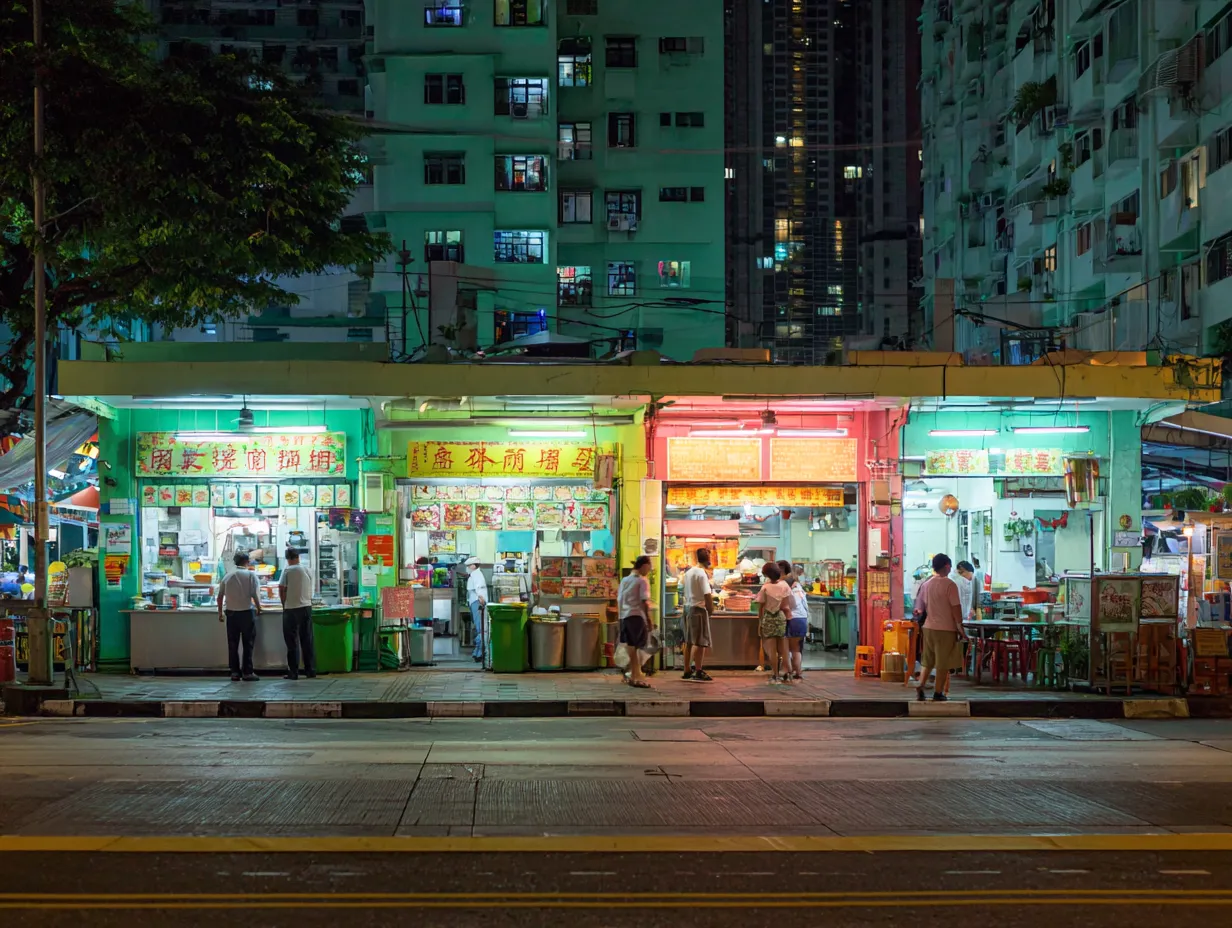
Choose busy, well-established hawker centres and heartland kopitiams — Old Airport Road, Tiong Bahru, Changi Village and the Katong stretch are good bets. Busy stalls in these neighbourhoods move product quickly, meaning ingredients are fresher.
Time your visits: breakfast and lunch are peak turnover windows for many dishes; supper spots in the CBD or Geylang Serai are lively but check stall hygiene late at night. For seafood feasts, head to dedicated seafood houses along the East Coast or well-reviewed stalls in Newton.
Visitors often assume all street food is the same — but practices vary. Mistakes include ordering raw or undercooked dishes from unfamiliar stalls, trusting visually appealing but slow-moving stalls, or not asking for sauces on the side.
Simple habits fix most issues: choose crowded stalls, ask for food piping hot, bring wet wipes, and when in doubt, pick a nearby stall with steady local customers. These small steps keep your trip on the right side of both flavour and safety.