

Classic thousand-layer recipe
Classic Kueh Lapis (Thousand Layer Cake)
Classic Singapore-style Kueh Lapis (Thousand Layer Cake): a rich, buttery layered cake made by grilling thin layers of b...
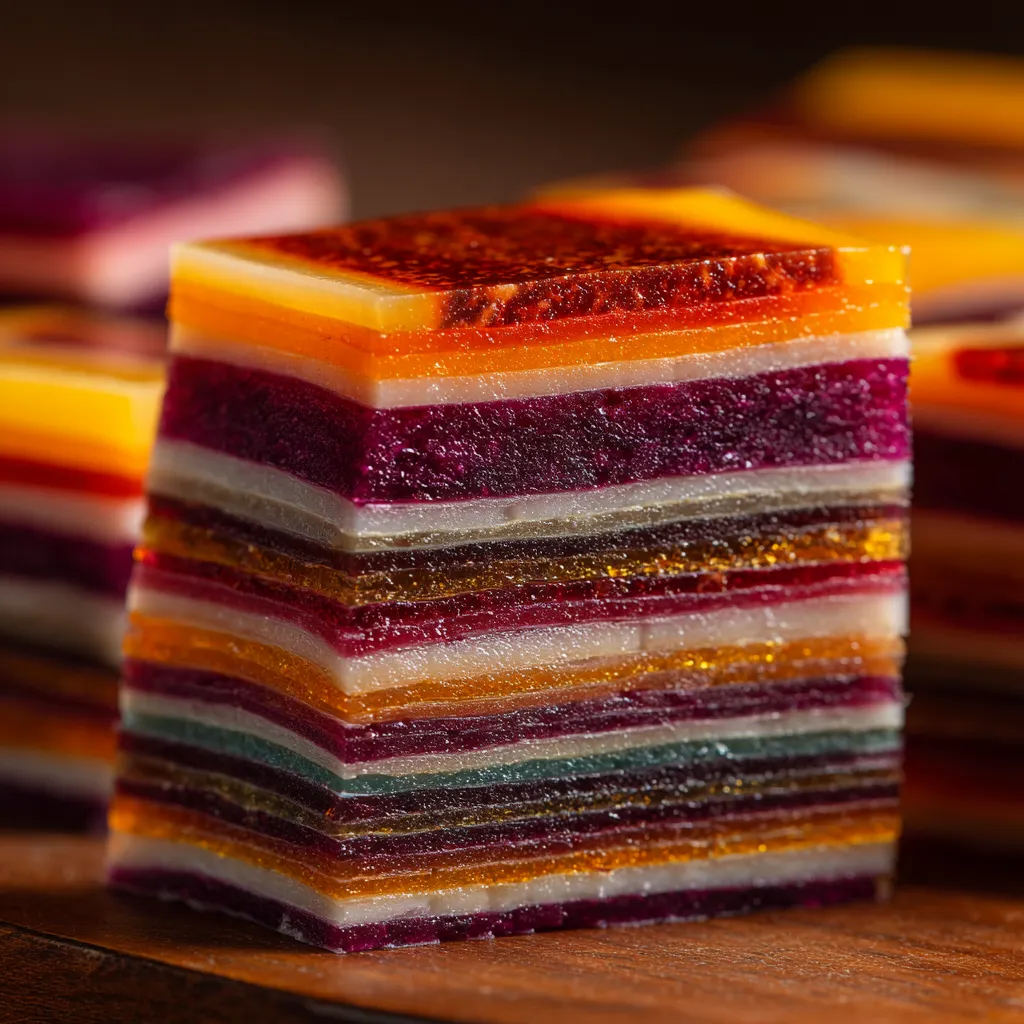
A practical, Singapore-flavoured step-by-step guide to making Nyonya kueh lapis at home, with Peranakan tips, ingredient notes and where to find classic versions around town.
Kueh lapis rewards patience: consistent thin layers make the difference between a good bake and a great one.
Chill before you slice — it makes the layers sing and prevents crumbling in humid Singapore weather.
Kueh lapis — the thousand-layer cake — is a signature Peranakan dessert that sits comfortably in Singapore’s baking and heritage food scene. You’ll find it in kopitiams, boutique bakeries and invariably on wedding dessert tables; the dense, buttery layers are both celebratory and comforting.
Making kueh lapis at home connects you to Peranakan cooking traditions found in neighbourhoods like Katong and Tiong Bahru, where old-school chefs and modern patisseries alike keep the craft alive. This guide walks you through the technique so you can recreate authentic layered texture without a professional kitchen.
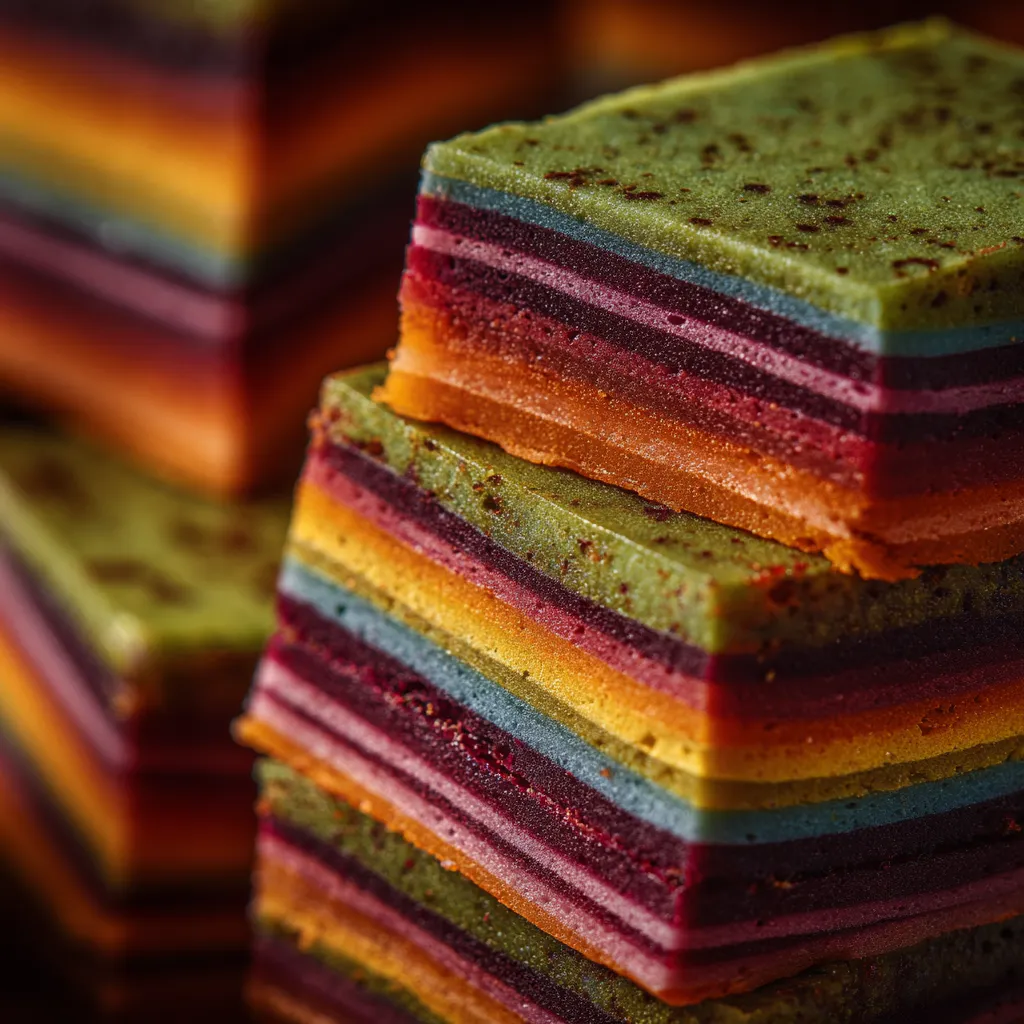
Kueh lapis uses a relatively small ingredient list but requires specific equipment and good organisation. Think: eggs, butter, sugar, flour, and your chosen flavouring (pandan extract for local pandan kueh lapis; prunes or vanilla if you prefer other variants).
Equipment matters: a sturdy rectangular tin (or custom kueh lapis pan), an oven or salamander/grill for quickly browning layers, a good whisk, and measuring scales will make the process repeatable. If you’re in Singapore, you can source pandan paste, gula melaka and Peranakan moulds at Tekka Centre or speciality shops around Katong.
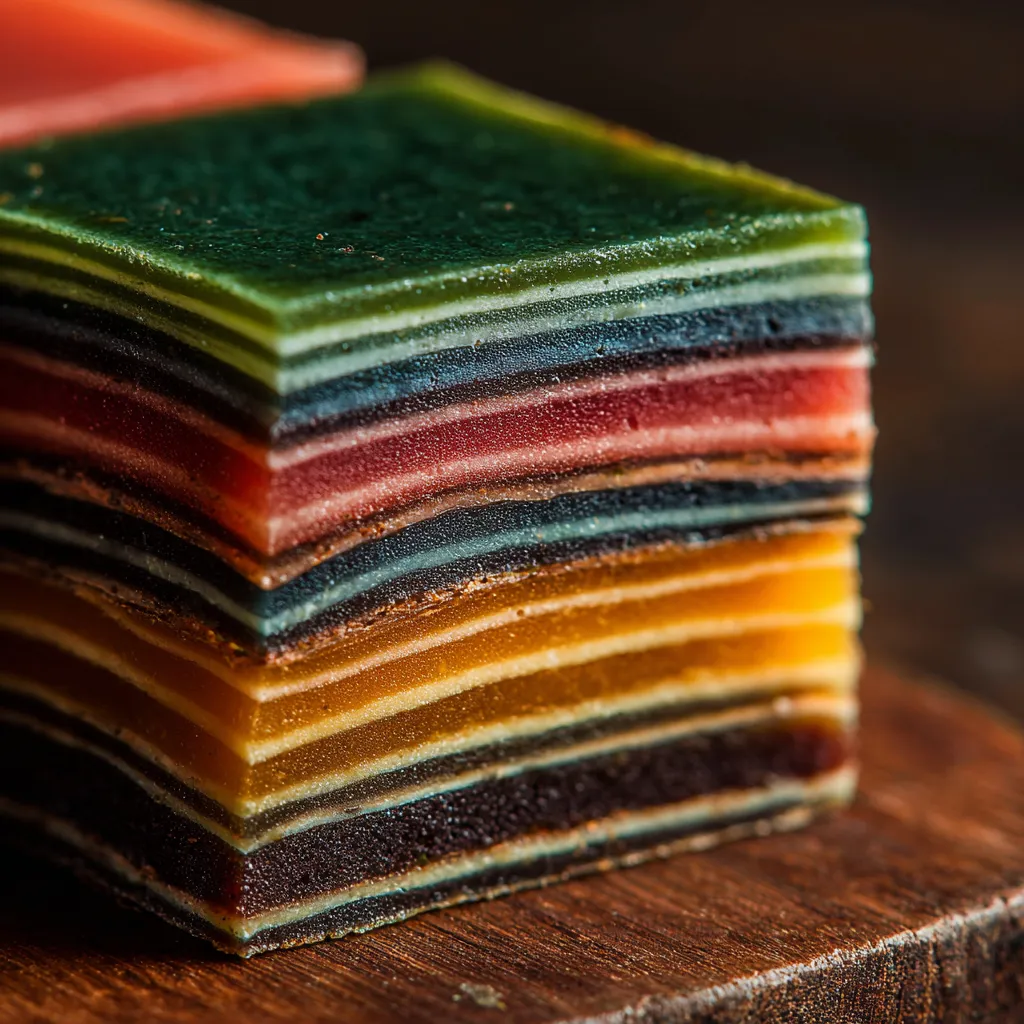
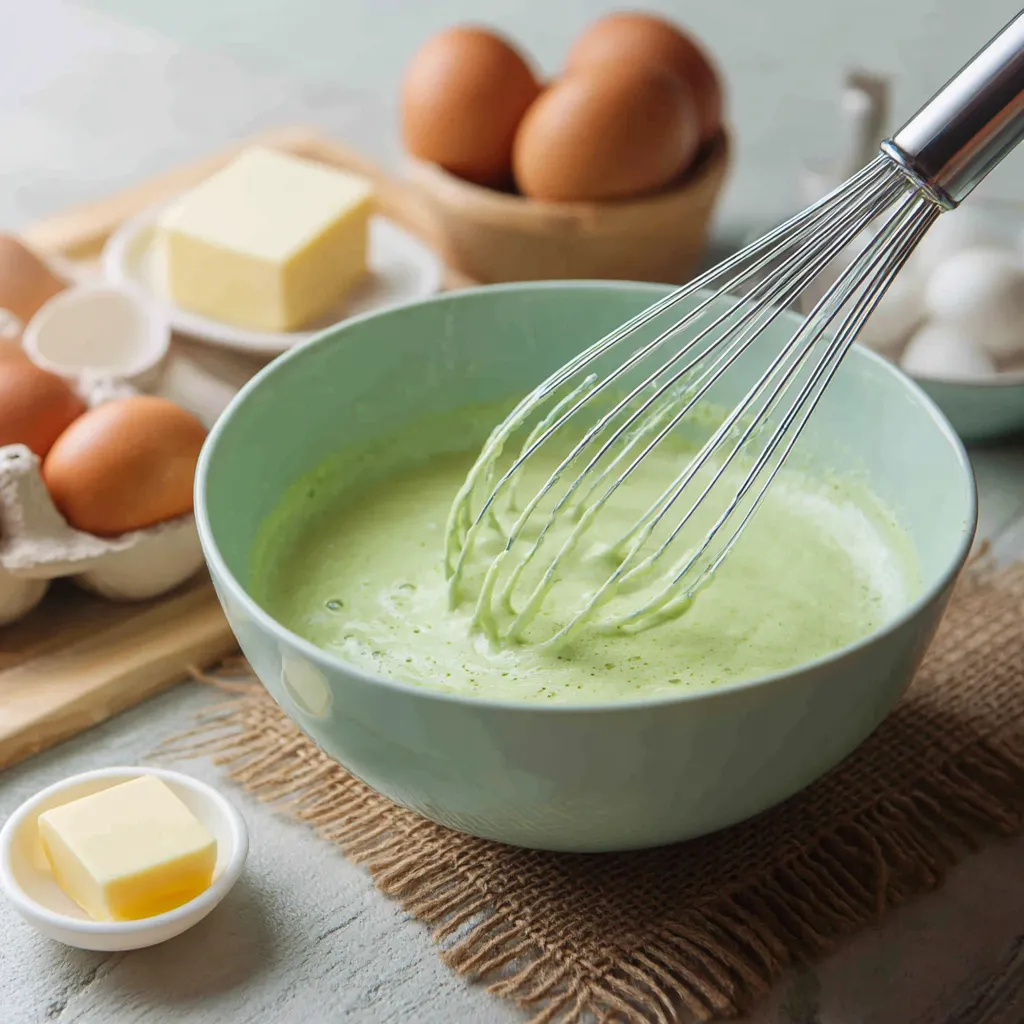
1) Prepare batters: separate eggs if the recipe calls for it, cream butter and sugar until pale, then add eggs, flour and flavouring. Many Singapore home recipes split the batter into coloured portions (pandan green, plain, or prune-infused).
2) Layering: pour a thin layer (about 3–5 mm) into the lined tin, smooth it, then brown the top under a preheated grill or in the oven’s top element until set and slightly golden. Repeat with the next layer, alternating colours if desired. The trick is consistent layer thickness and quick browning so the lower layers don’t overcook.
3) Cooling and slicing: once all layers are assembled and cooled, chill the cake before slicing. A chilled kueh lapis cuts cleaner and shows the layers crisply — perfect for serving at a kopitiam-style Nyonya tea spread.
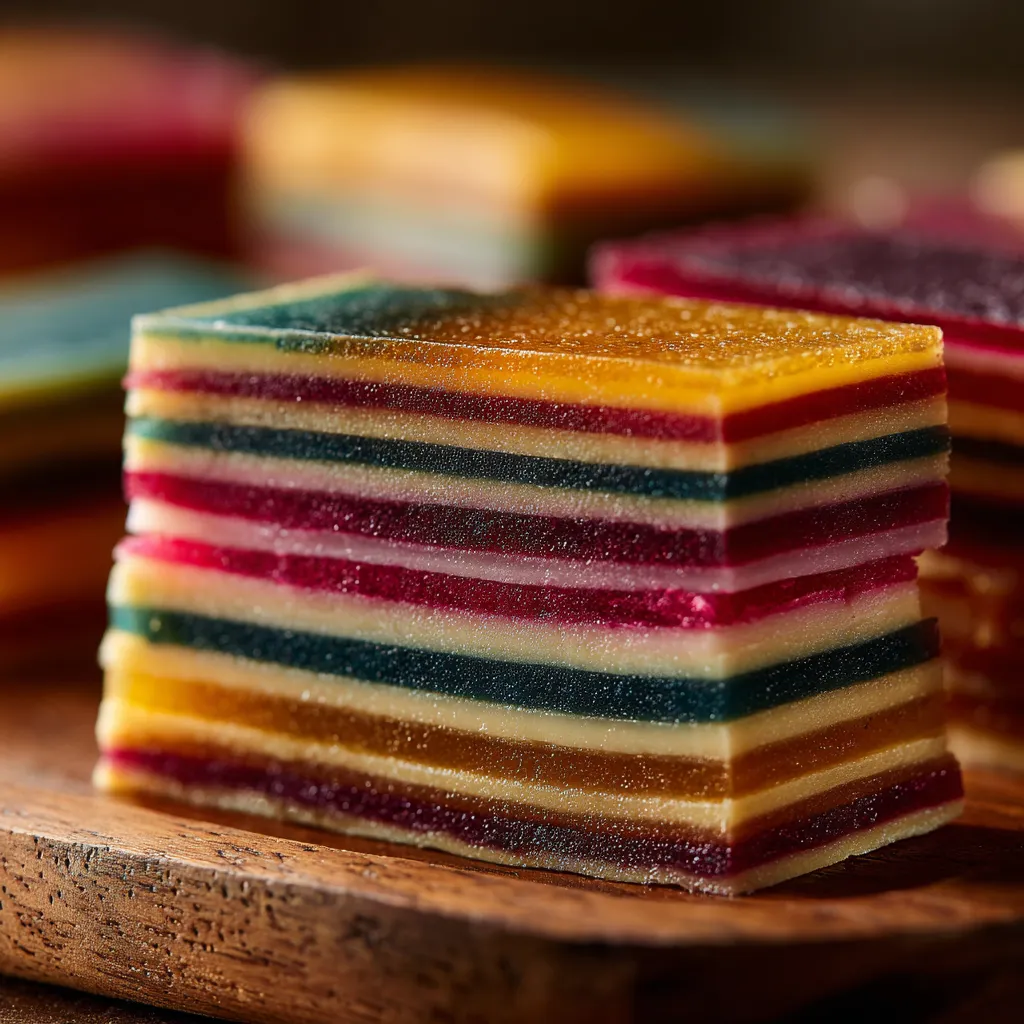
Dense or gummy layers: this often comes from overmixing or too much liquid; gently fold and weigh ingredients precisely. Using room-temperature butter and eggs helps the batter emulsify properly.
Uneven browning or collapsed layers: ensure each layer is set before adding the next and avoid opening the oven repeatedly. If you don’t have a grill, use a high oven rack and broil briefly, watching closely to prevent burning.
Cracking when slicing: chill the cake thoroughly and use a long, sharp knife with a single clean stroke; warm the blade under hot water and dry between cuts for cleaner slices.
Serve kueh lapis in thin slices with kopi or teh for a traditional breakfast or as part of a Peranakan spread. In Singapore’s humid climate, store slices in an airtight container in the fridge for up to 5–7 days; bring to room temperature before serving.
If you want to compare your home bake to a classic, pop by established counters in the east — Bengawan Solo is one widely-known place that sells kueh lapis — or scout bakeries in Katong and Tiong Bahru for modern interpretations. Pair your slice with kaya toast or other kueh like ondeh-ondeh for a true local makan session.


