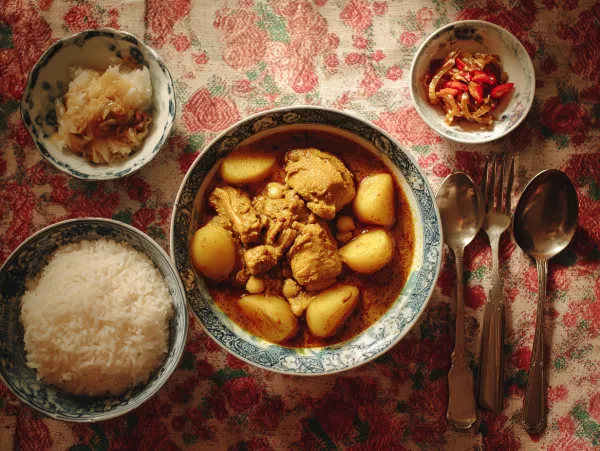
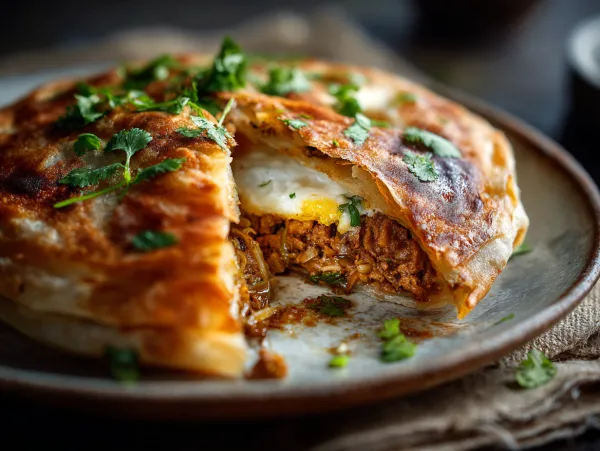


Authentic spice-forward Indian curries
Spice Route India
Family-style Indian restaurant in Little India known for spicy Hyderabadi biryani and aromatic, slow-cooked curries....
A practical, Singapore-flavoured beginner's guide to common spices, where to buy them locally, and how to use them in hawker and home cooking.
Spices are the shorthand of Singapore’s multicultural kitchen — a little goes a long way.
Toast whole seeds, grind fresh, and don’t underestimate belacan — it’s the Umami passport to many local dishes.
Spice Guide 101 starts with the obvious: Singapore’s food identity is built on layers of spice — Indian curry masalas, Peranakan rempah, Chinese five-spice and Malay sambals all share the stage. In hawker centres from Tiong Bahru to Katong, a single pinch can define a dish.
Understanding basic spices helps you read menus, order like a local and replicate hawker favourites at home. Think of spices as the shorthand for culture here — they tell you whether a dish leans Indian, Malay, Peranakan or Chinese.
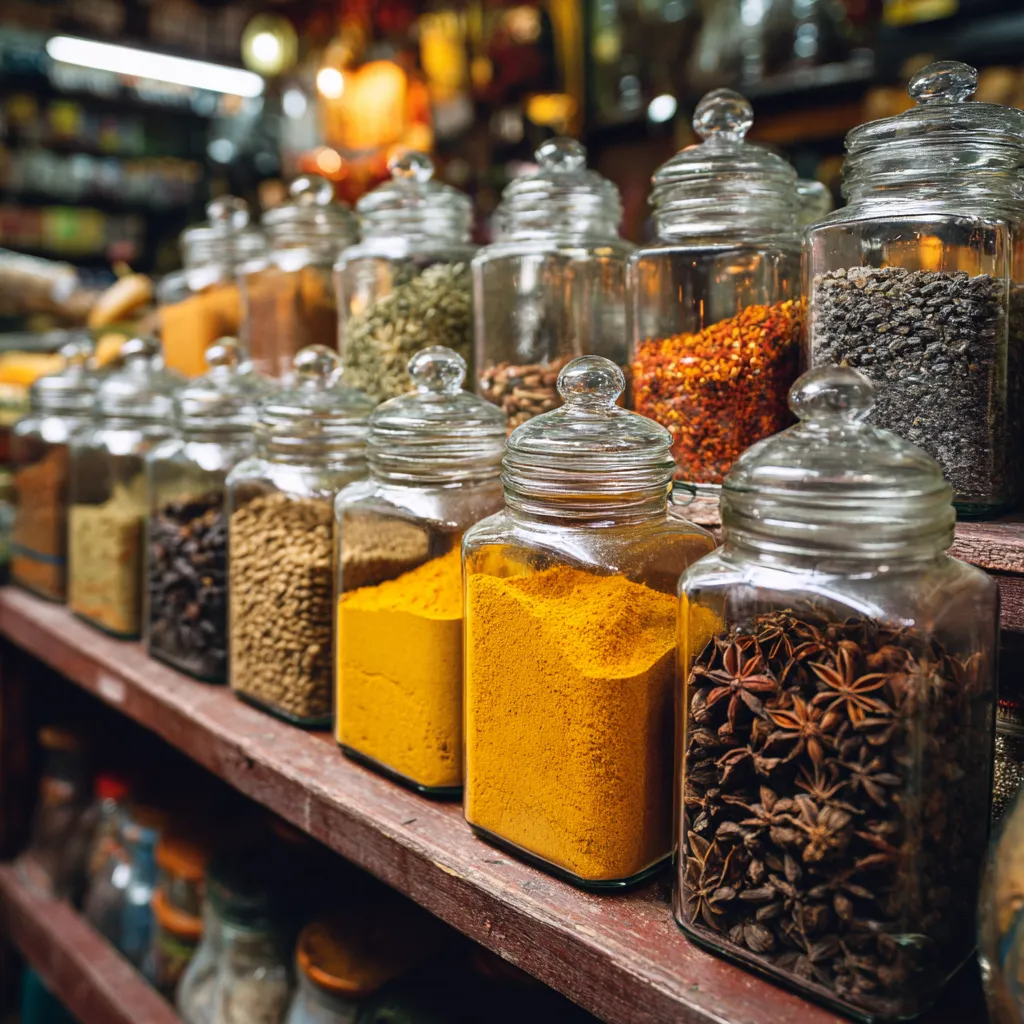
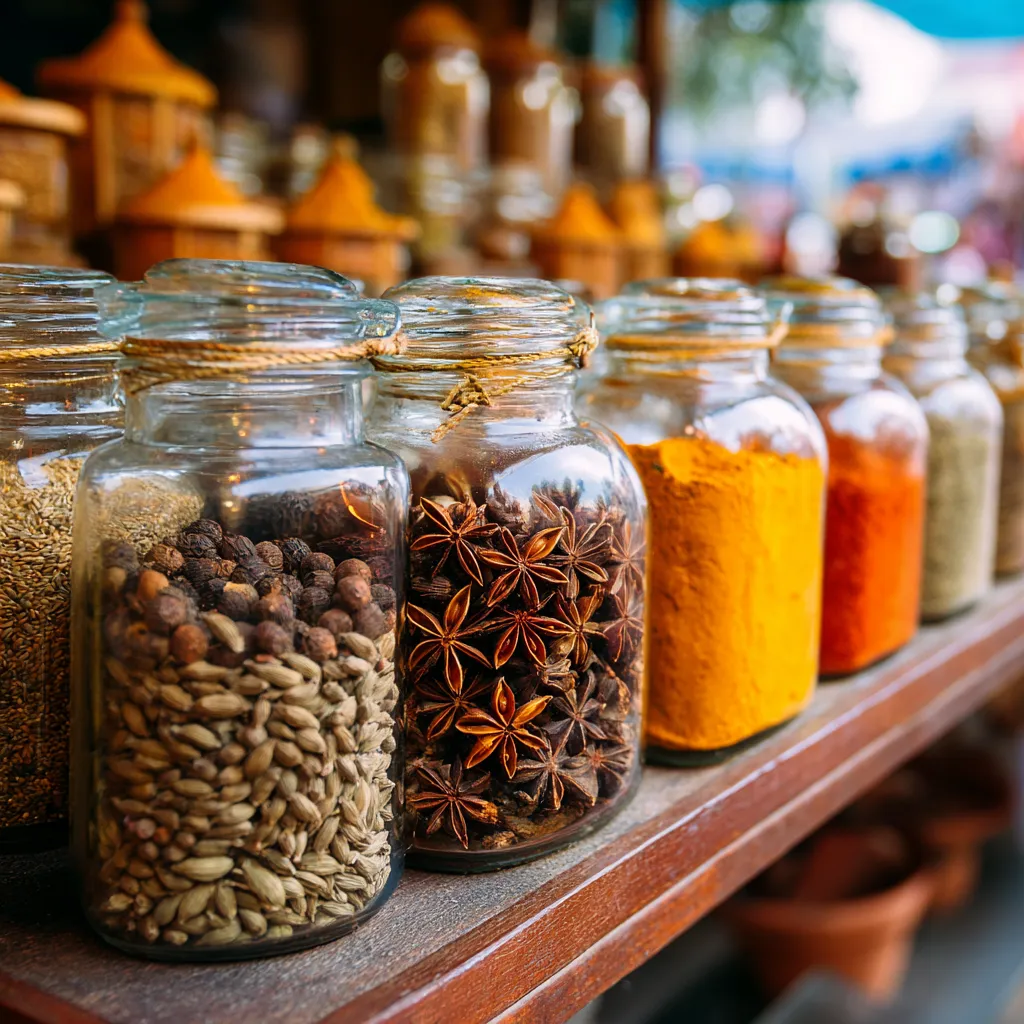
Start small and local: turmeric, cumin (whole + ground), coriander seeds, fennel, star anise, cinnamon sticks, cardamom, dried chillies and five-spice powder cover a lot of ground. Add belacan (shrimp paste) and dried shrimp for Malay/Peranakan layers.
Storage matters in our humid climate — keep whole spices in airtight glass jars in a cool cupboard and grind or toast only what you need to keep flavours bright.
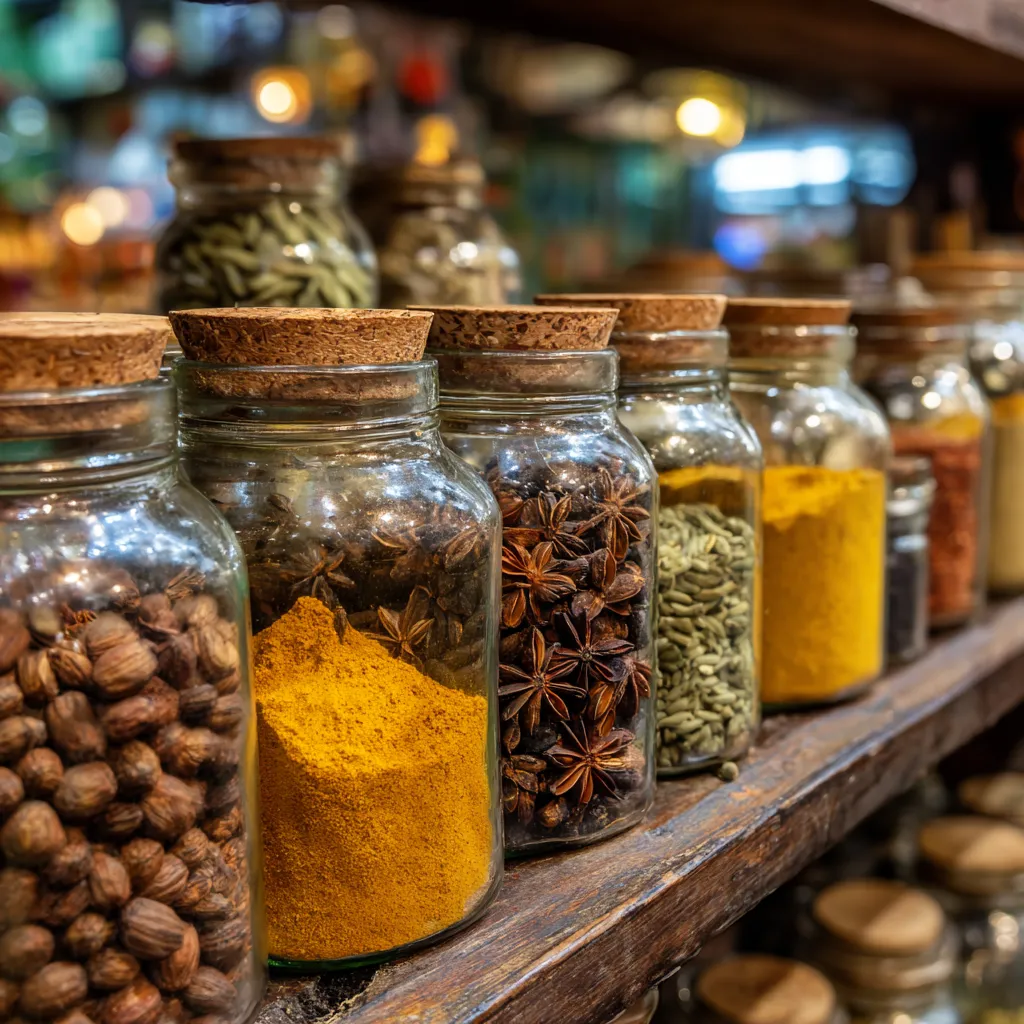
Bloom whole spices in hot oil at the start of cooking to release aromatics — this is the backbone of many curries and sambals you’ll taste at Tekka and Geylang Serai. Toasting seeds briefly in a dry pan intensifies aroma for masalas and rempah pastes.
Match spice technique to cuisine: for Peranakan rempah (e.g. laksa or assam), pound fresh with shallots, turmeric and belacan; for Indian gravies, fry whole spices with onions before adding tomatoes; for Chinese-style snacks like ngoh hiang, mix five-spice powder into the meat.
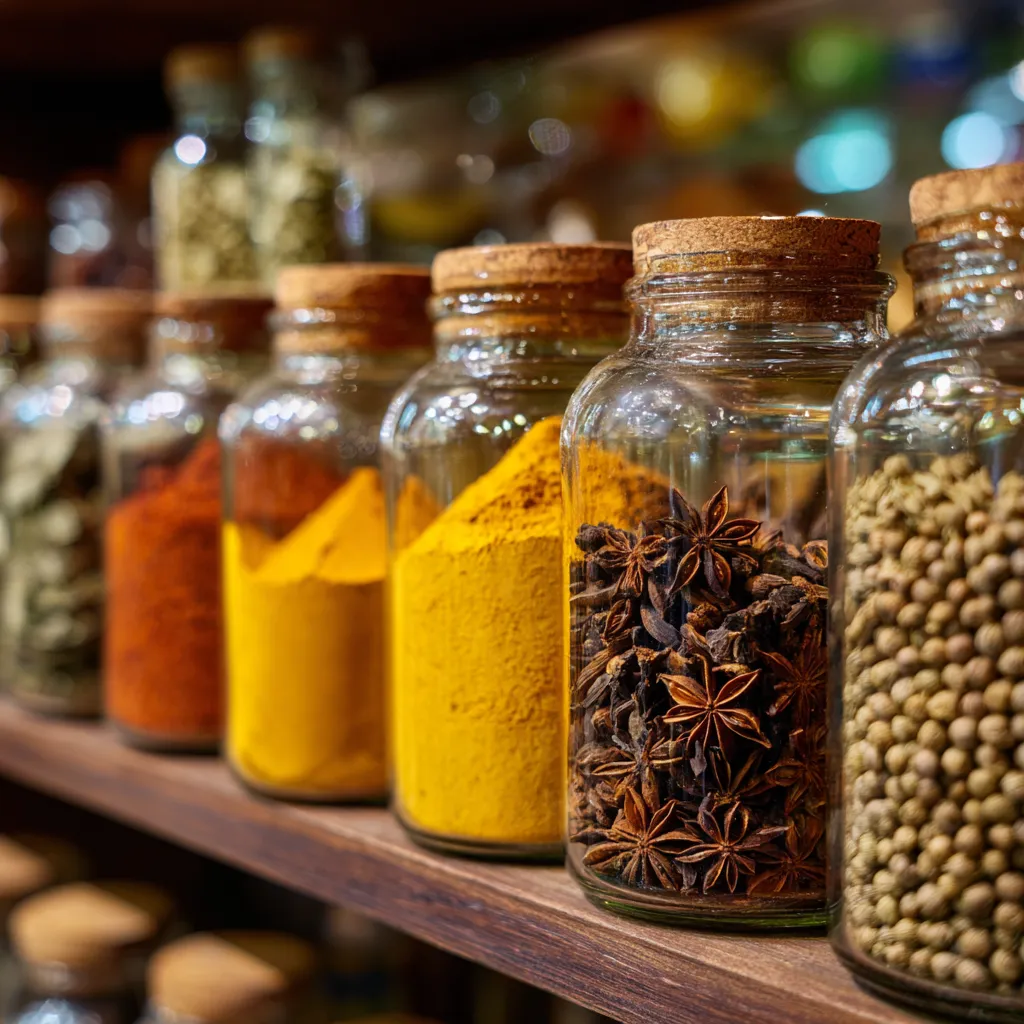
Head to Tekka Centre (Little India) and Mustafa Centre for a huge variety of Indian whole spices and ready-made masalas. Geylang Serai Market is the place for Malay ingredients — belacan, dried shrimp, and fresh turmeric roots.
For convenience, neighbourhood wet markets and larger supermarkets (FairPrice, Cold Storage) stock many staples. For specialty blends and single-origin spices, look for spice vendors in Chinatown and independent grocers in the CBD and Katong.
Combine shopping and eating: start at Tekka Centre to pick up whole spices and masala, have a kopi and prata in Little India, then take a short MRT ride to Geylang Serai for Malay ingredients and a nasi lemak. Finish in Katong to sample Peranakan curry or laksa and put those spices to the test.
Timing tips: markets are best early morning for the freshest produce; hawker stalls peak at lunch and dinner so aim for off-peak hours if you want to chat with vendors about their spice usage.