Explore Tekka’s market and hawker treats
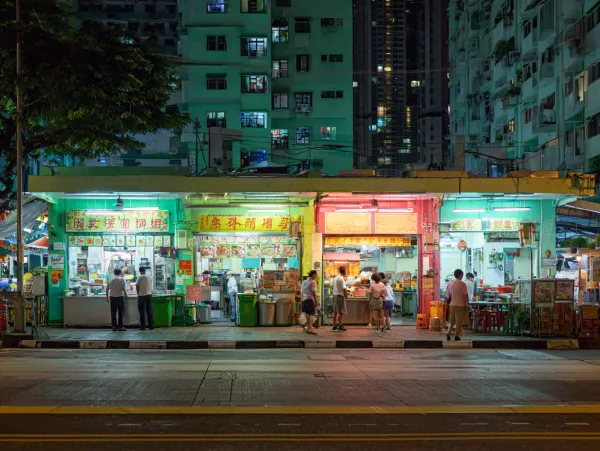
Tekka Centre (Little India)
Bustling Little India hawker centre and wet market known for affordable Indian and multi-ethnic Singaporean hawker food....

A practical Singapore guide to shopping at wet markets — where to go in Tiong Bahru, Tekka and Chinatown Complex, what to buy, and how to navigate like a local.
Buy local, buy early — the freshest ingredients make the simplest meals sing.
Markets are where Singapore’s food story begins: honest, loud and full of flavour.
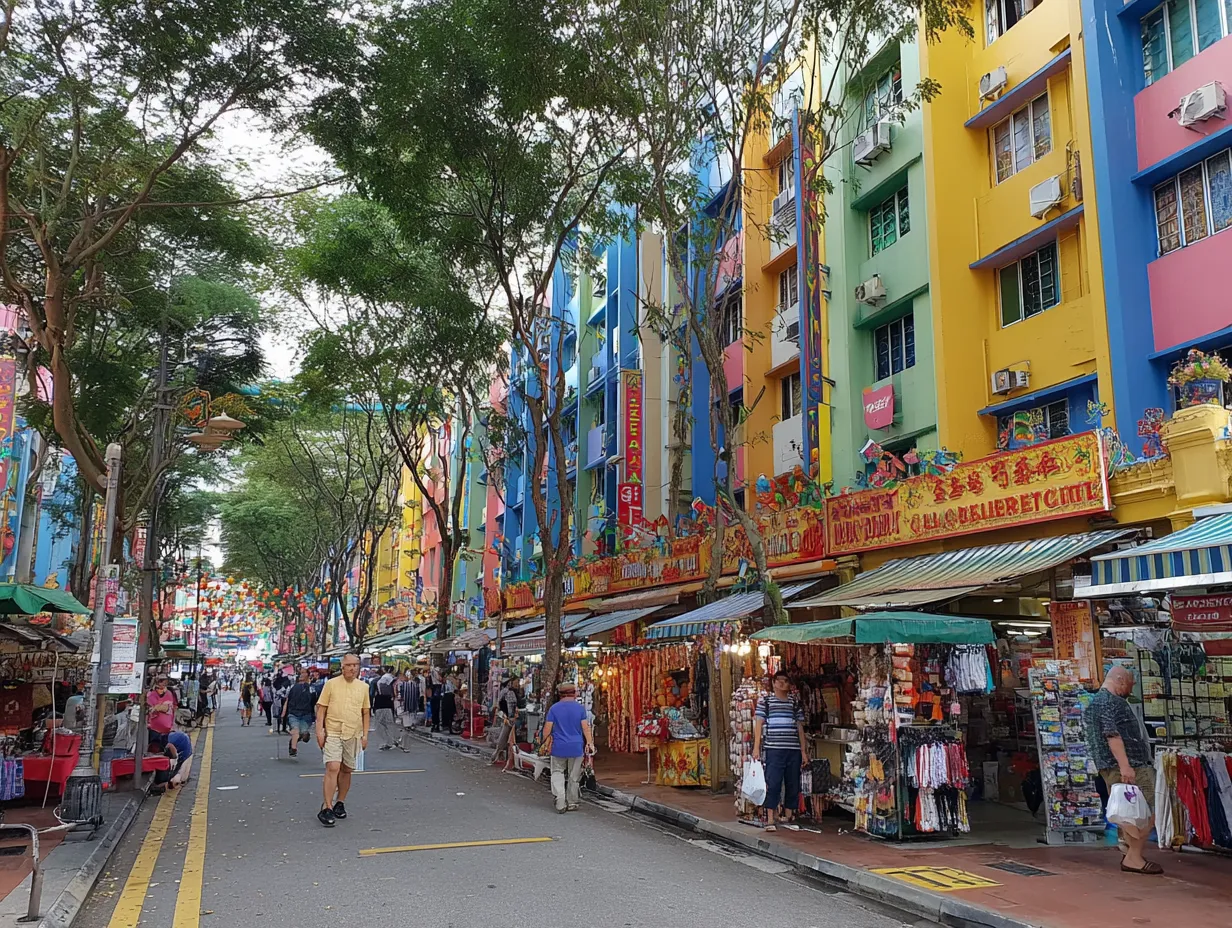
Wet markets are the beating heart of neighbourhood food culture in Singapore — they’re where households, hawkers and small businesses source the freshest ingredients. Beyond the produce and live seafood, markets are social spaces: aunties catching up over kopi, stallholders swapping recipes, and the unmistakable hum of a city that eats early and well.
For visitors and new residents, knowing how to shop a wet market is as useful as knowing where to find the best hawker mee or kopi. This guide focuses on three market experiences — Tiong Bahru, Tekka and Chinatown Complex — each different in vibe, specialties and practicalities.
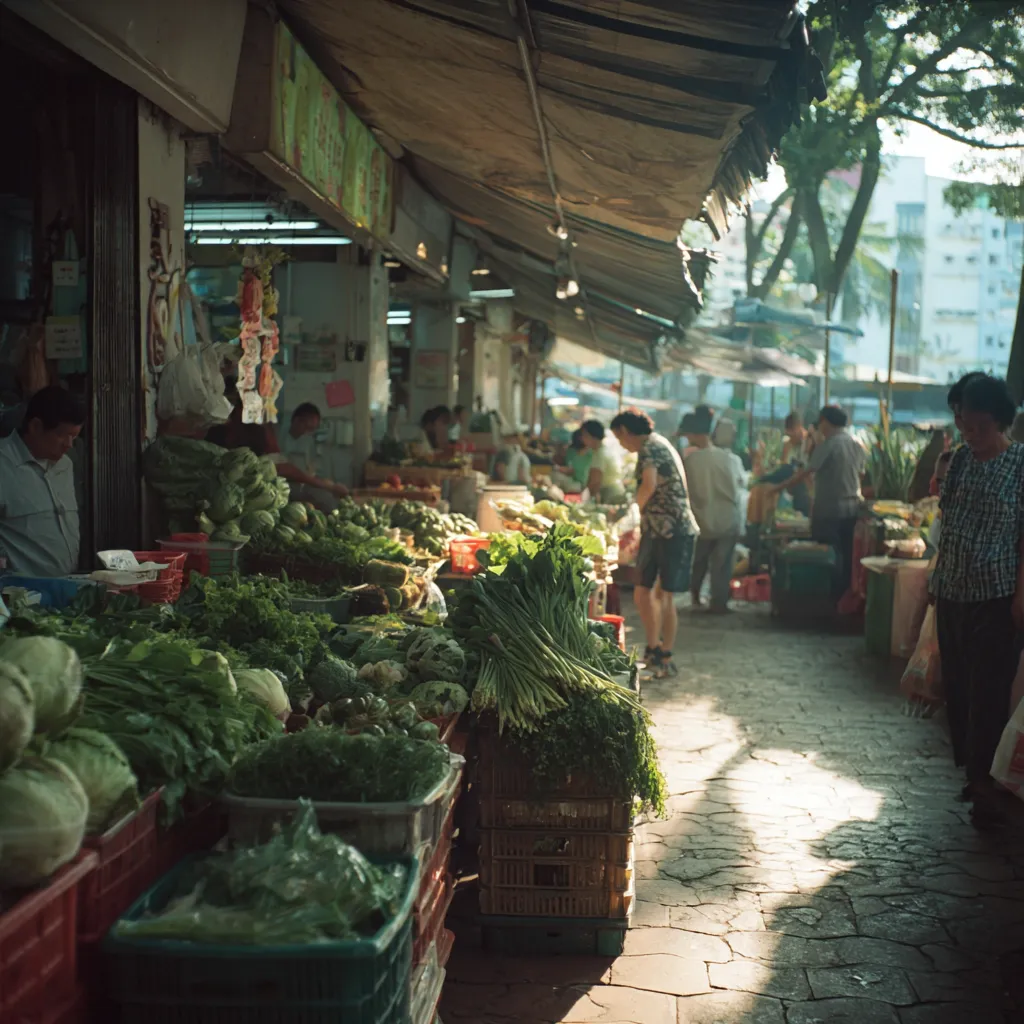
Tiong Bahru’s market sits in one of Singapore’s most charming conservation enclaves. Mornings here feel calmer than the big complexes: think local grandparents, young families and chefs from nearby cafes picking up herbs and specialty produce.
Look for stalls selling hard-to-find items for home cooking — pandan, fresh coconut, native greens — and small but excellent fishmongers who will clean and fillet on request. After shopping, it’s easy to pop over to a kopitiam or a bakery for brunch.
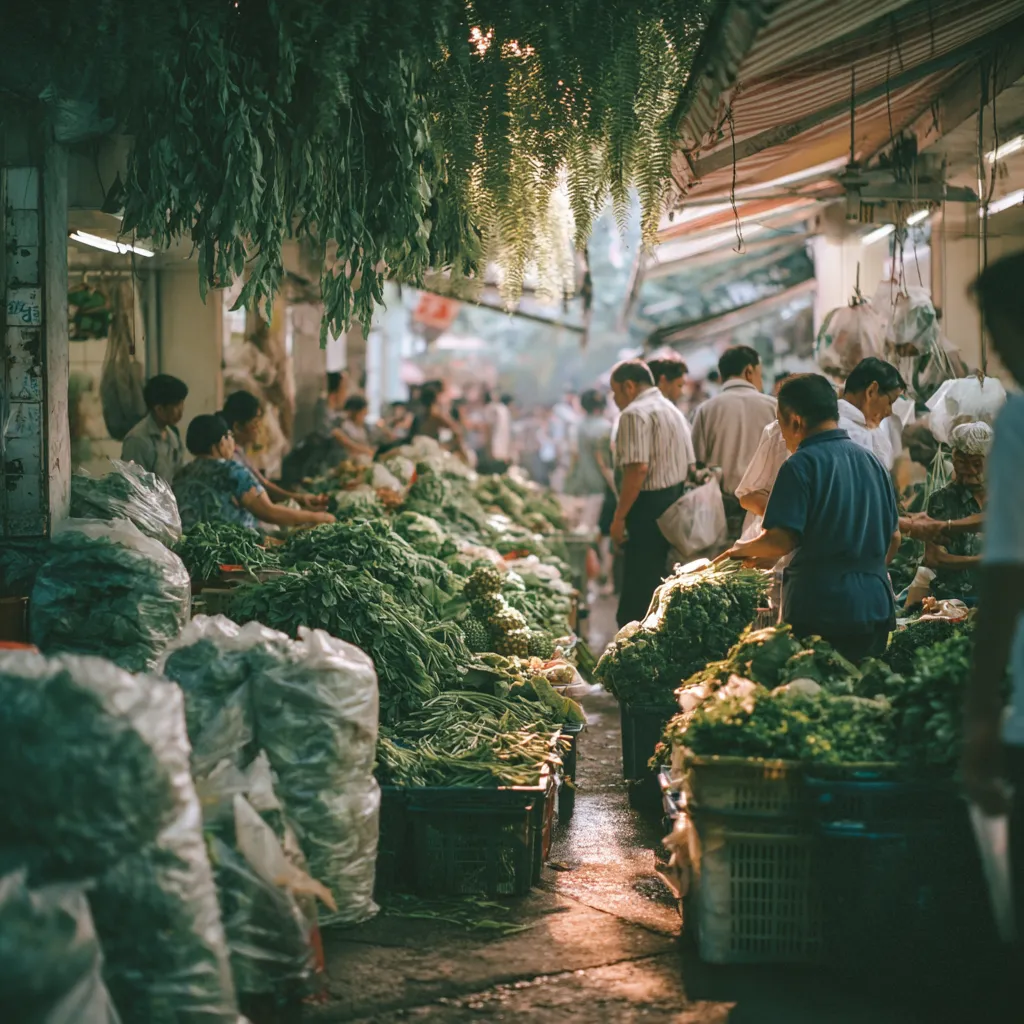
Tekka Centre is multi-layered: a wet market, dry goods stalls, and a hugely popular hawker floor that draws a multicultural crowd. This is the place for Indian spices, fresh coconuts, dosa batter, and colourful vegetables used in South and North Indian cooking.
Stalls here specialise in both vegetarian ingredients and live seafood — perfect for cooks who want to prepare a full Indian-style fish curry or a family-style meal with sambal and sides. Bargaining is rare, but friendly questions and clear instructions often win you better cuts or helpful cooking tips.
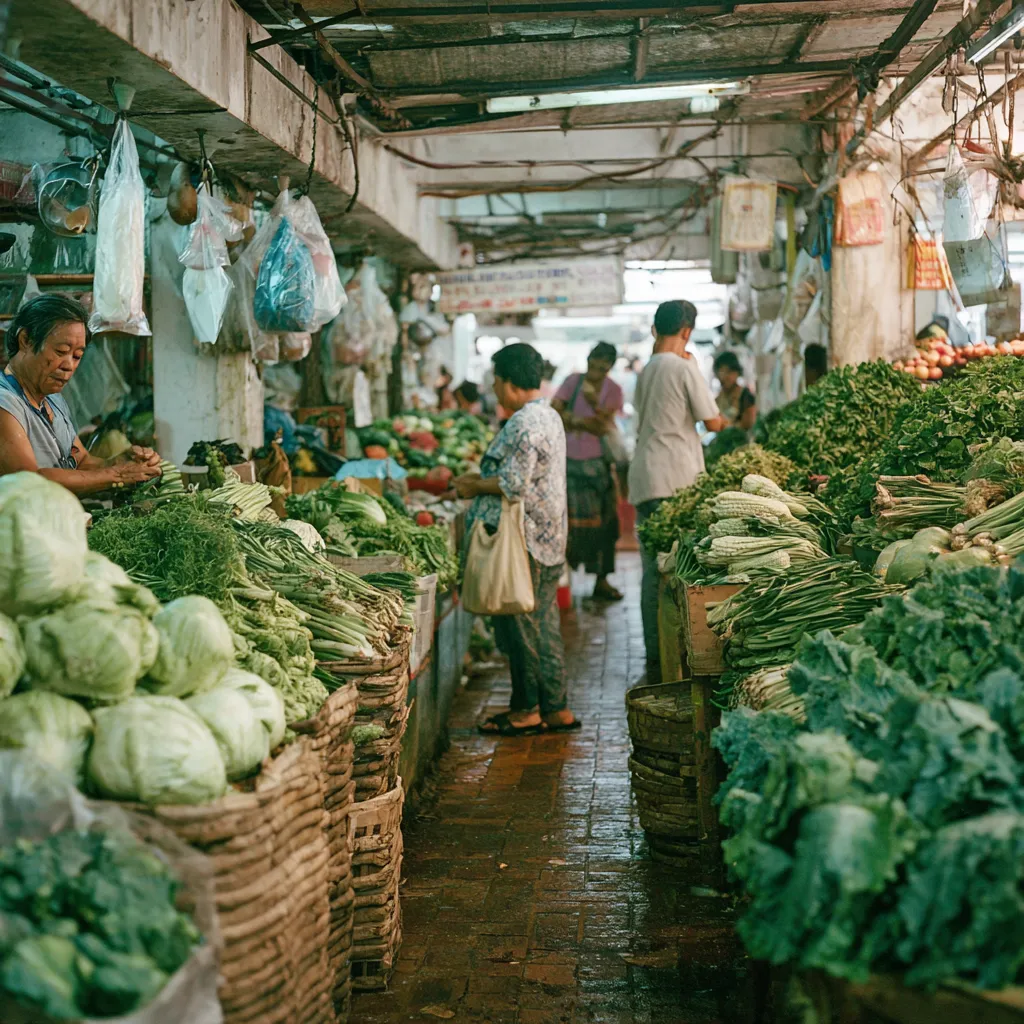
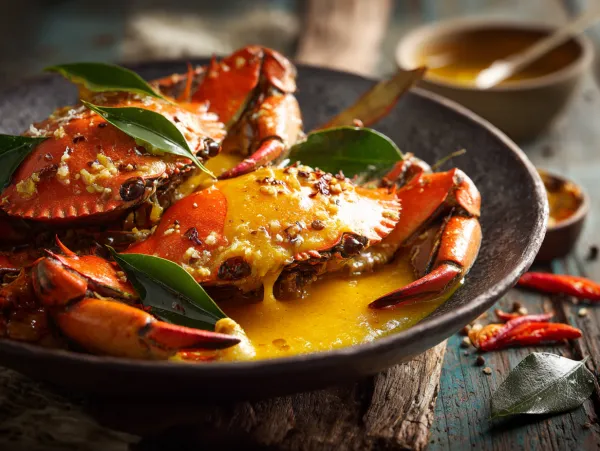
Chinatown Complex is a sprawling hub: wet market stalls sit under the same roof as one of the largest hawker centres in Singapore. Stallholders tend to be fast and efficient — ideal if you’re after live crabs, prawns or squid for a weekend feast.
Because of high turnover, prices can be competitive and the selection wide. If you’re intent on buying live seafood for an at-home zi char-style dinner, go early and be decisive. Most vendors will help choose weight and recommend simple cooking methods.
Packing: bring reusable bags and a small cooler if you’re buying seafood or meat — MRT journeys in Singapore can be warm and you want to keep perishables cool. Many stalls now bag items in newspaper or ice-packed coolers on request.
Money & etiquette: cash is accepted everywhere though e-payments are increasingly common; always greet stallholders, state your needs clearly, and be ready to queue during peak hours. Don’t be shy to ask for a quick cooking tip — many vendors are happy to share.