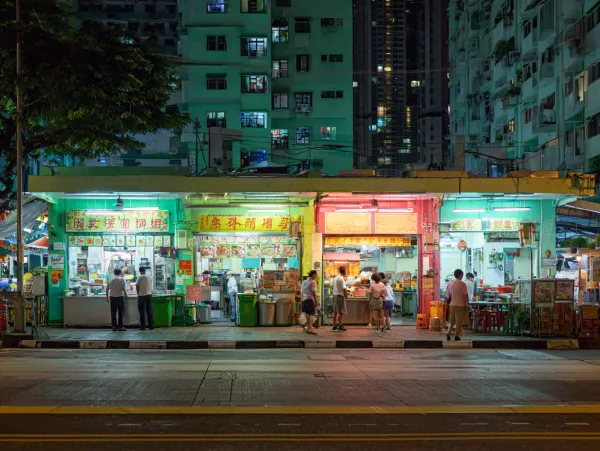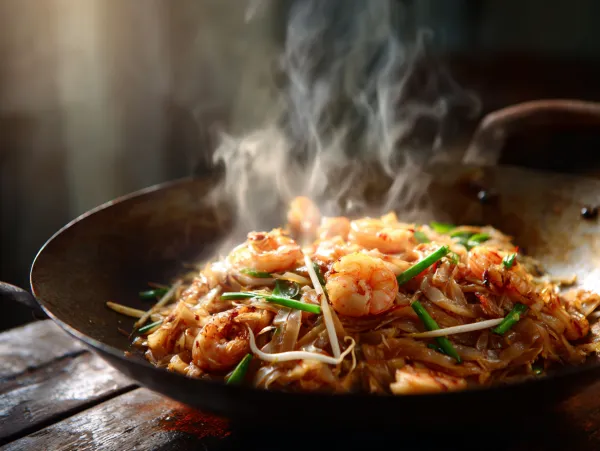
Katong laksa classic
328 Katong Laksa
Beloved Katong laksa stall known for its rich, coconut-forward bowls of Peranakan-style laksa in the East Coast neighbou...

A neighbourhood-first guide to every Singapore restaurant and hawker awarded a Michelin Bib Gourmand in 2025, with what to order, when to go and how to plan a Bib Gourmand makan trail.
Bib Gourmand is where Singapore’s neighbourhood flavours get the recognition they deserve — no suit required.
Treat the list like a map: pick a district, eat like a resident, and leave room for dessert.
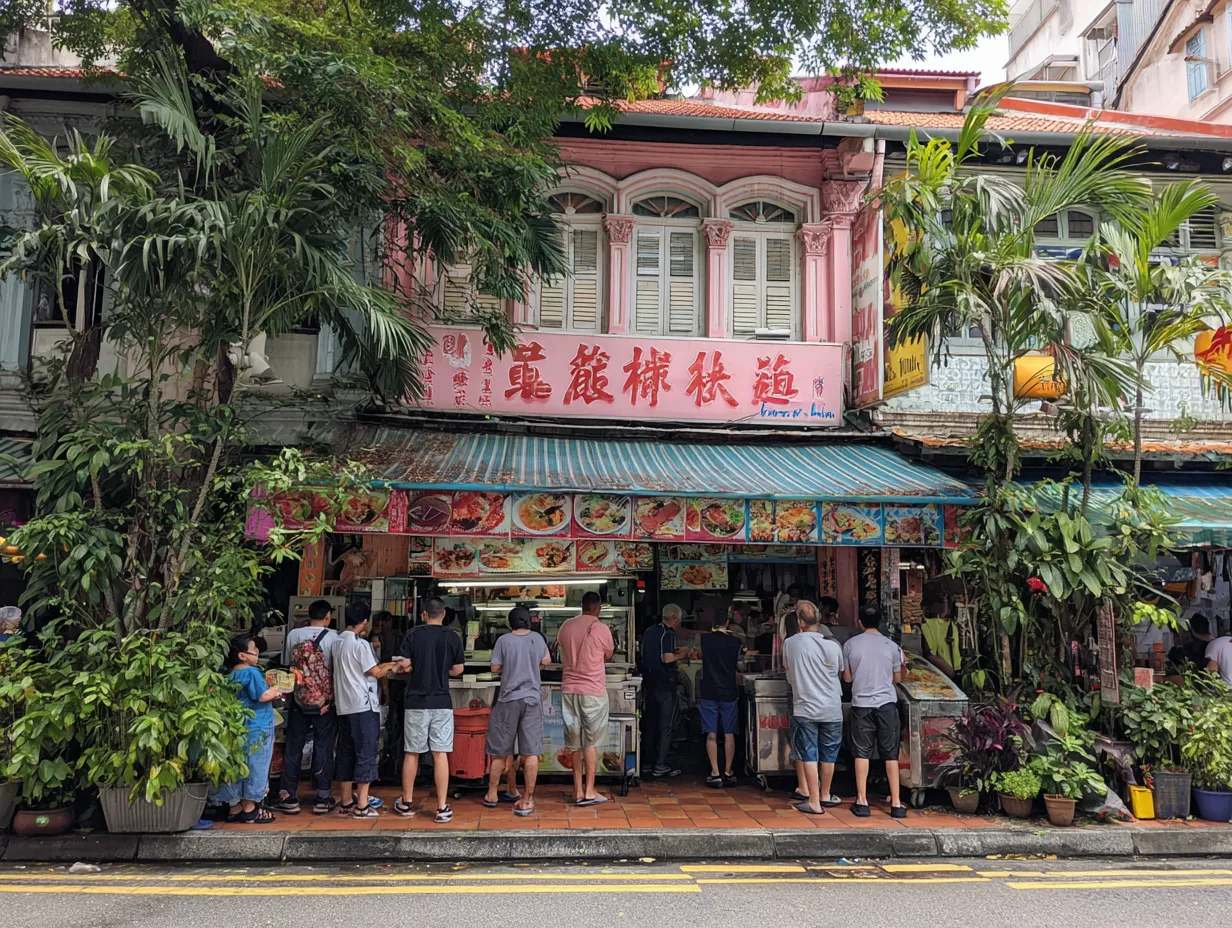
The Michelin Bib Gourmand recognises restaurants and hawker stalls offering great food at good value — a perfect fit for Singapore’s food culture where hawker centres and kopitiams are as important as fine dining. For locals it’s a nod to tried-and-tested favourites; for visitors it’s a shortcut to authentic, wallet-friendly meals across the island.
In 2025 the list continues to spotlight stalls from Tiong Bahru to Katong, heartland kopi shops to riverside zi char joints, celebrating dishes that define neighbourhood eating: laksa, char kway teow, chicken rice, bak kut teh and more.
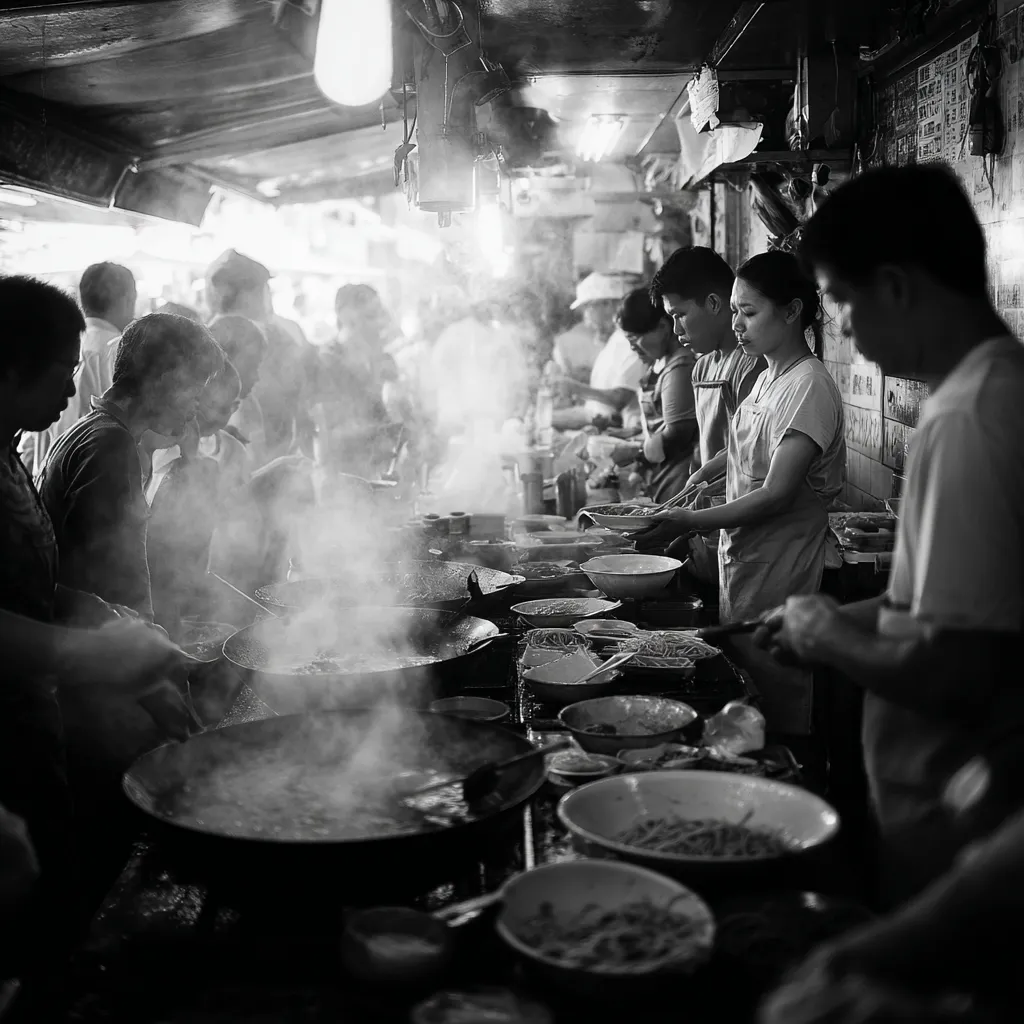
The 2025 selections form a map of Singapore’s best neighbourhood eating — think Katong for Peranakan and laksa, Tiong Bahru for cafe9s and old-school kopi, Chinatown and Maxwell for hawker stalwarts, and the East Coast for seafood and supper haunts. Use the list to plan a day-by-day trail rather than trying to tick everything in one go.
If you prefer concentrated routes, build a morning-to-afternoon loop around a single area (e.g., Tiong Bahru market then nearby bakers), or combine lunch at a Bib Gourmand hawker stall with an evening zi char by the river. Many stalls are cash-first and small, so check opening hours — some close early, others are supper-only.
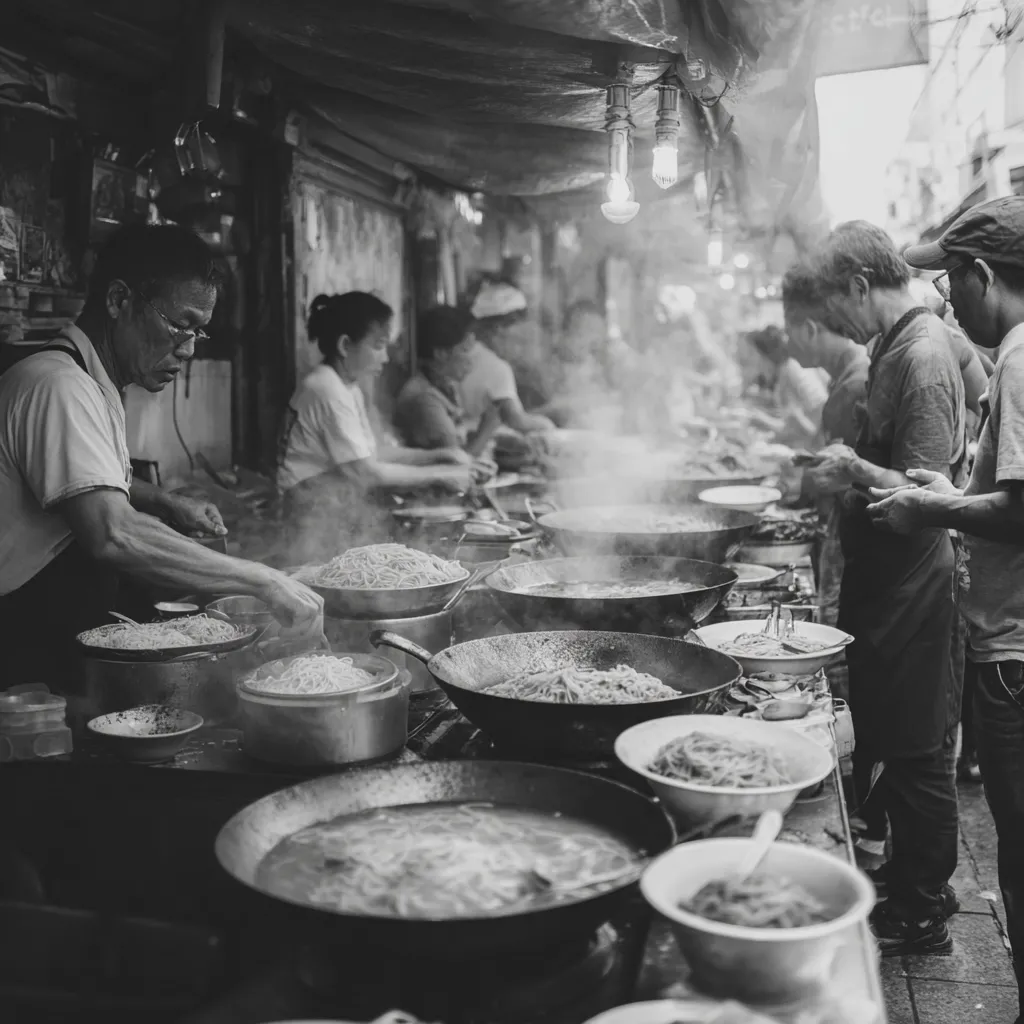
The Bib Gourmand list highlights everyday dishes elevated through technique and consistency. Look out for signature plates — wok-fried noodles with 'wok hei', silky bowls of laksa with a balanced coconut spice, fragrant chicken rice with aromatic oil and punchy chilli, or a comforting bowl of bak kut teh for rainy days.
Ordering tip: ask for local portion sizes if sharing, and don’t be shy to request 'less chilli' or 'more soup' — hawkers expect to tailor food. For communal dishes like chilli crab or zi char, time your visit so you can enjoy freshly cooked items without the long wait.
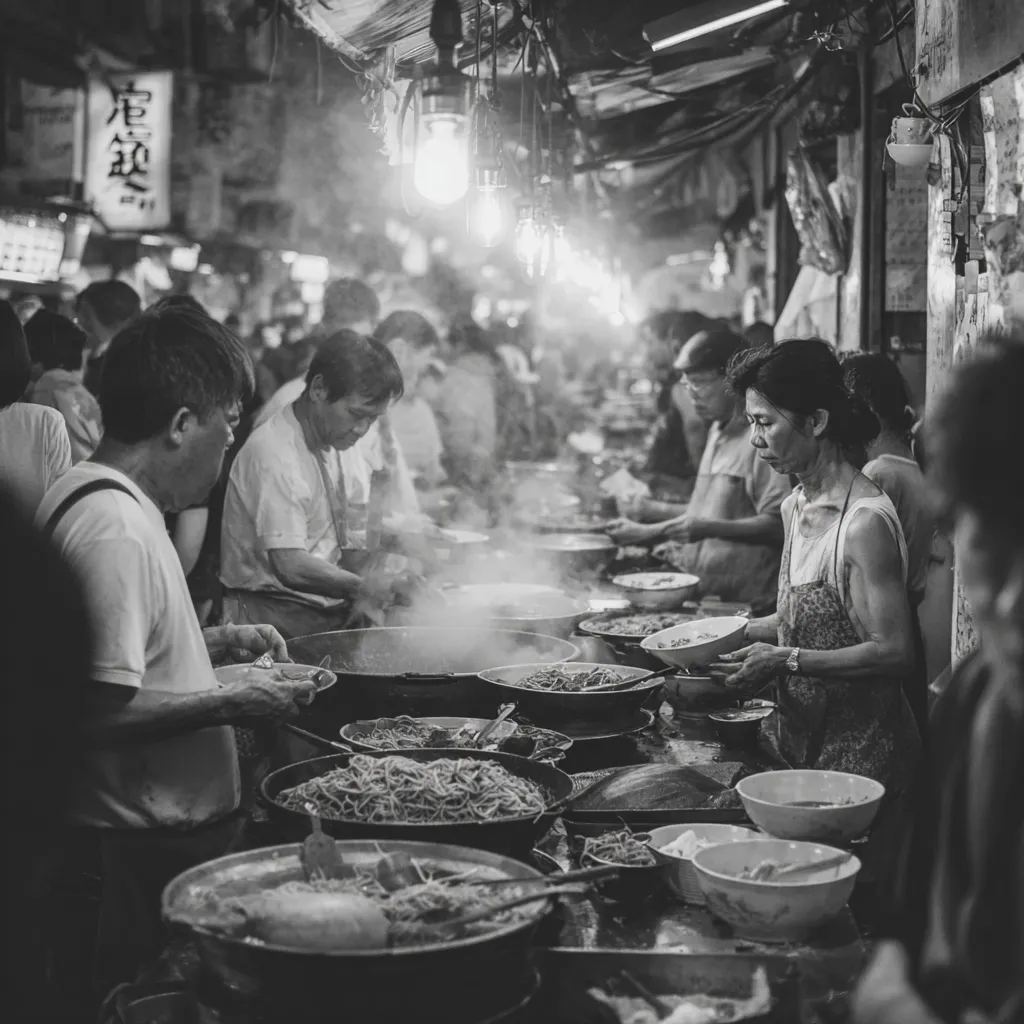
Peak meal times — 12pm–1.30pm and 7pm–9pm — are when queues lengthen. For popular Bib Gourmand stalls, arrive early or plan to eat slightly off-peak to avoid long waits. Many hawker stalls still prefer cash, though more are accepting PayNow or contactless payments; check signage or ask.
Seating in hawker centres is usually first-come-first-served. If you’re with a group, one person can queue while another secures seats, but be mindful of local etiquettes like clearing trays after eating and not reserving too many chairs with belongings.
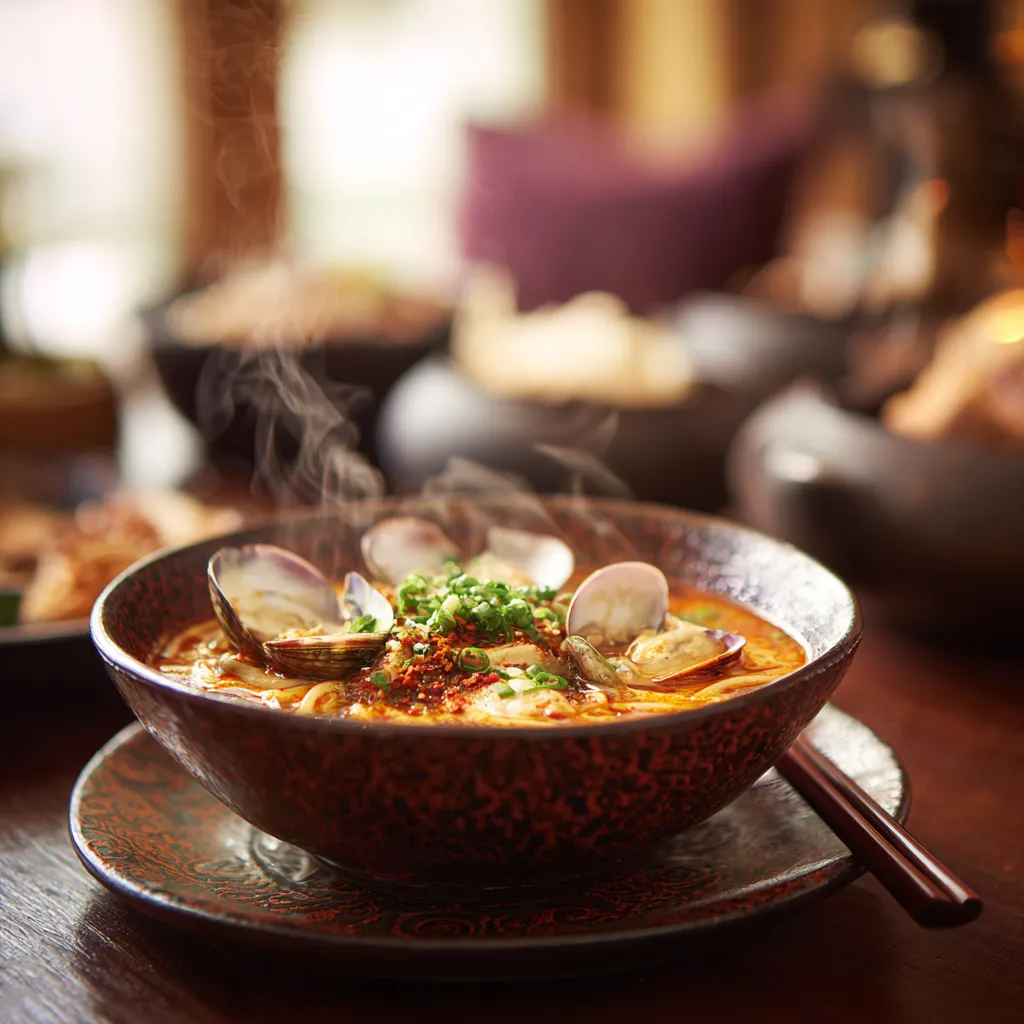
Sample route: start with breakfast kopitiam kaya toast at a Tiong Bahru spot, move to a mid-morning laksa in Katong, lunch at a Bib Gourmand chicken rice or char kway teow in Chinatown, an afternoon bakery stop for kueh or pandan chiffon, then an evening seafood or zi char by the East Coast — finishing with supper snacks at a late-night hawker stall.
Mix and match by neighbourhood to reduce travel time. Use MRT and short taxi rides to link spots; if you’re exploring with friends, split up ordering to try more dishes without overspending. Keep a note of opening hours — some Bib Gourmand stalls close on weekdays or have a 'sold out' sign early in the day.
Katong laksa classic
Beloved Katong laksa stall known for its rich, coconut-forward bowls of Peranakan-style laksa in the East Coast neighbou...

Chilli crab sauce to share
A Singapore-style chilli crab sauce — tangy, sweet and slightly spicy wok-simmered gravy perfect for dunking fried manto...