
Make the golf-ball enclosed version at home
Pineapple Tarts (Golf Ball / Enclosed)
Singapore-style enclosed pineapple tarts (golf ball) — buttery pastry wrapped around homemade caramelised pineapple jam,...

A hands-on Singapore review that pits cheap hawker/market pineapple tarts against premium bakery versions — taste, texture and where to buy for Chinese New Year and everyday makan.
Cheap tarts win on nostalgia and value; premium ones win on butter, balance and presentation.
In Singapore, pineapple tarts can be breakfast with kopi or a gift boxed for CNY — choose based on occasion, not just price.
Pineapple tarts are a staple of Chinese New Year spreads and a year-round favourite in Singapore — you’ll find them on kopitiam counters, in heartland bakeries and on the shelves of premium patisseries in Orchard and Tiong Bahru.
This is not just a snack: it’s cultural. Tarts range from tiny open-faced kueh-style bites to golf-ball-sized enclosed pastries, and prices can vary wildly depending on ingredients, labour and branding.
In this review I compared representative samples across price points — cheap market/supermarket options and high-end bakery versions — to judge flavour, texture, value for money and who each type is best suited for.

To be fair, I bought samples from three budget sources (market stall, supermarket brand, and a kopitiam baker) and three premium bakeries (specialist kueh shops and boutique patisseries) across different neighbourhoods including a heartland market and an Orchard bakery counter.
Each tart was scored for appearance, pastry flakiness or crumb, jam sweetness and acidity, pineapple texture, aroma, and overall enjoyment — the kinds of factors Singaporeans talk about at CNY gatherings or when buying gifts.
Samples were tasted at room temperature (as most people would eat them), and I noted how they fared as part of a communal platter — stacked in little paper boxes or served on a ceramic plate at home.
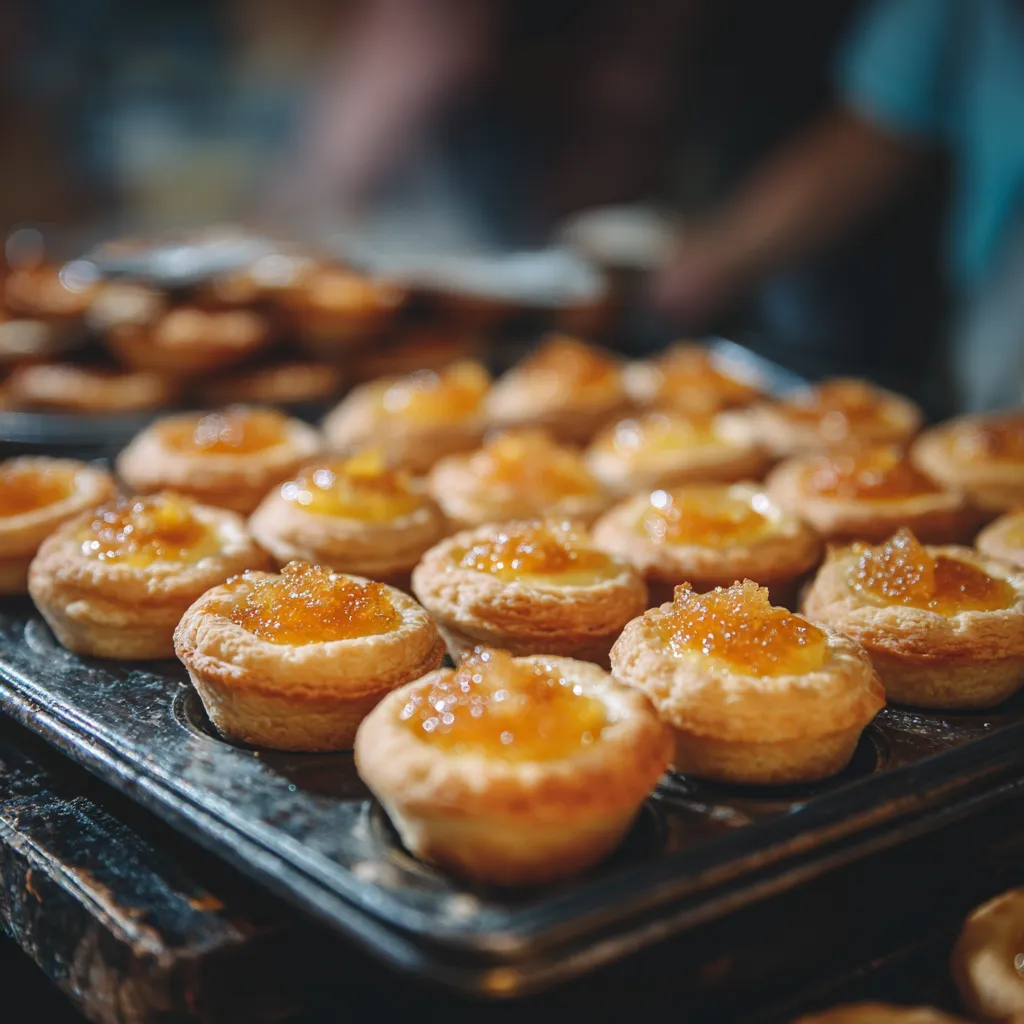
Budget tarts (think neighbourhood bakeries and supermarket packs) often win on nostalgia and value: they’re sweet, familiar, and made to survive packaging and transport. The pastry is usually denser or crumbly rather than flaky, and the jam is sweeter with less pronounced pineapple acidity.
These are perfect for bulk needs — community events, office ang baos, or large CNY gatherings where cost-per-piece matters more than gourmet nuance.
Common trade-offs: cheaper butter or margarine, cooked-down jam (less pineapple fibre), and machine-pressed shaping. But in many kopi-shop and heartland contexts, that straightforward sweetness is exactly the point.
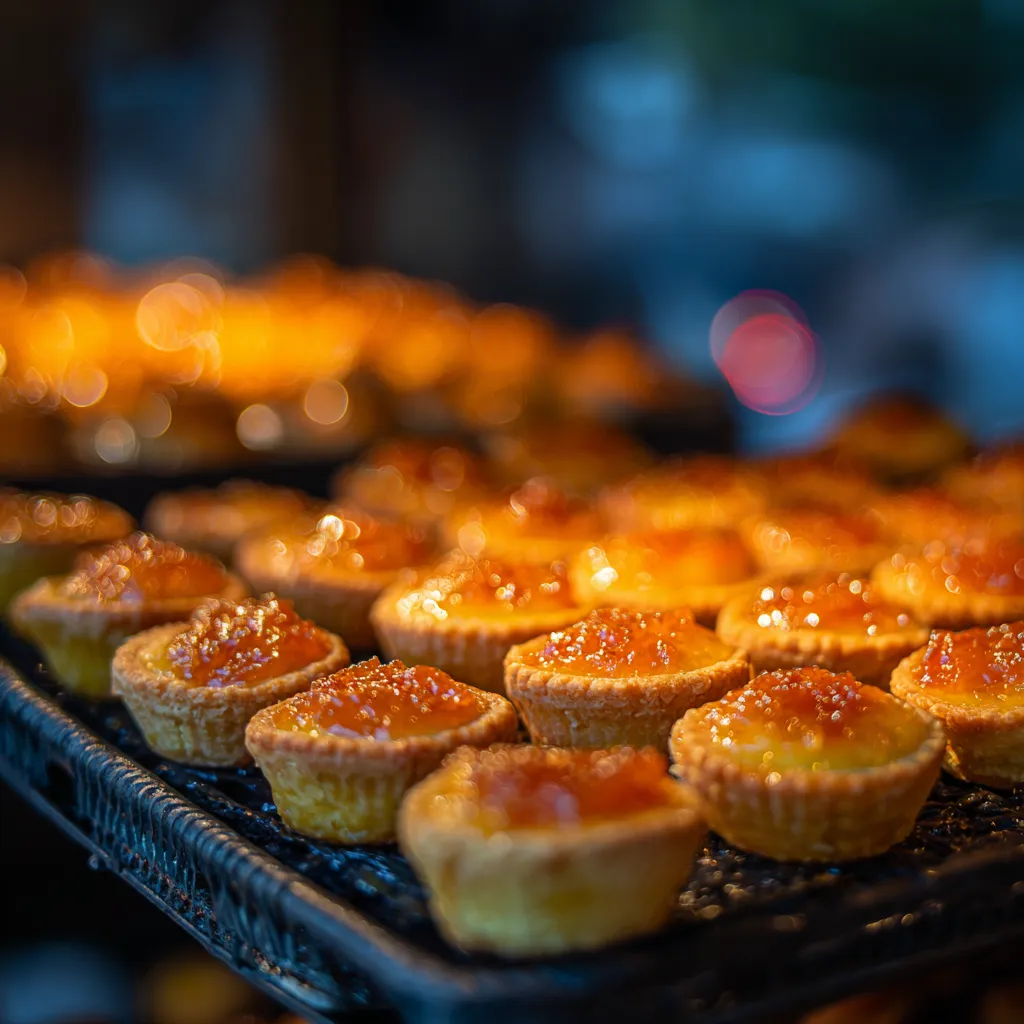
Premium versions — from boutique bakeries and patisseries — often use high-quality European butter, patiently-made jam with real pineapple fibres, and careful shaping that preserves flakiness or a buttery crumb. Some patisseries even macerate pineapple with a touch of citrus to balance sweetness.
These cost more, but they shine when you want a gift-worthy box, a refined CNY platter, or a treat with tea at a small café in Tiong Bahru or Katong. The difference is particularly noticeable in aroma and mouthfeel: a premium tart will leave a lingering butter note and a pineapple brightness instead of just sugar.
If you value texture and a balanced tart-sweet profile — or you’re buying for guests who expect a premium experience — splurging makes sense. But for everyday snacking, the cost premium may not justify the difference for everyone.
Verdict: both cheap and expensive tarts have a place. Buy budget tarts for large gatherings and everyday cravings; buy premium tarts when you want a refined flavour or to impress guests. For home bakers, recipes can bridge the gap — you control the butter and jam concentration.
Where to go: for tried-and-tested mass favourites, check heartland bakers and supermarket brands; for artisanal versions, head to patisseries in Orchard, Tiong Bahru bakeries or specialist shops that stock seasonal CNY boxes. If you’d like to try making them, follow our Golfi-ball enclosed or Open-faced pineapple tarts recipes.
Smart tips: taste a single-piece sample before buying a box, ask about packaging (airtight boxes preserve crispness), and factor in humidity — in rainy Singapore, crisp pastries soften quickly so buy closer to when you’ll eat them.


