

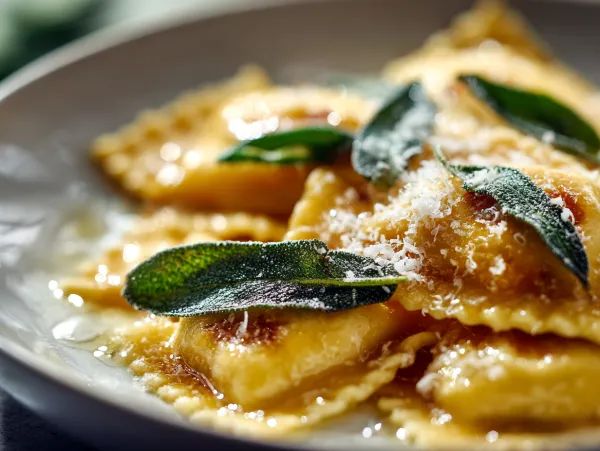

Regional Italian plates to try
Trattoria Nonna
Cozy homestyle Italian trattoria serving handmade pastas, slow-cooked ragu and wood-fired pizza in Katong....
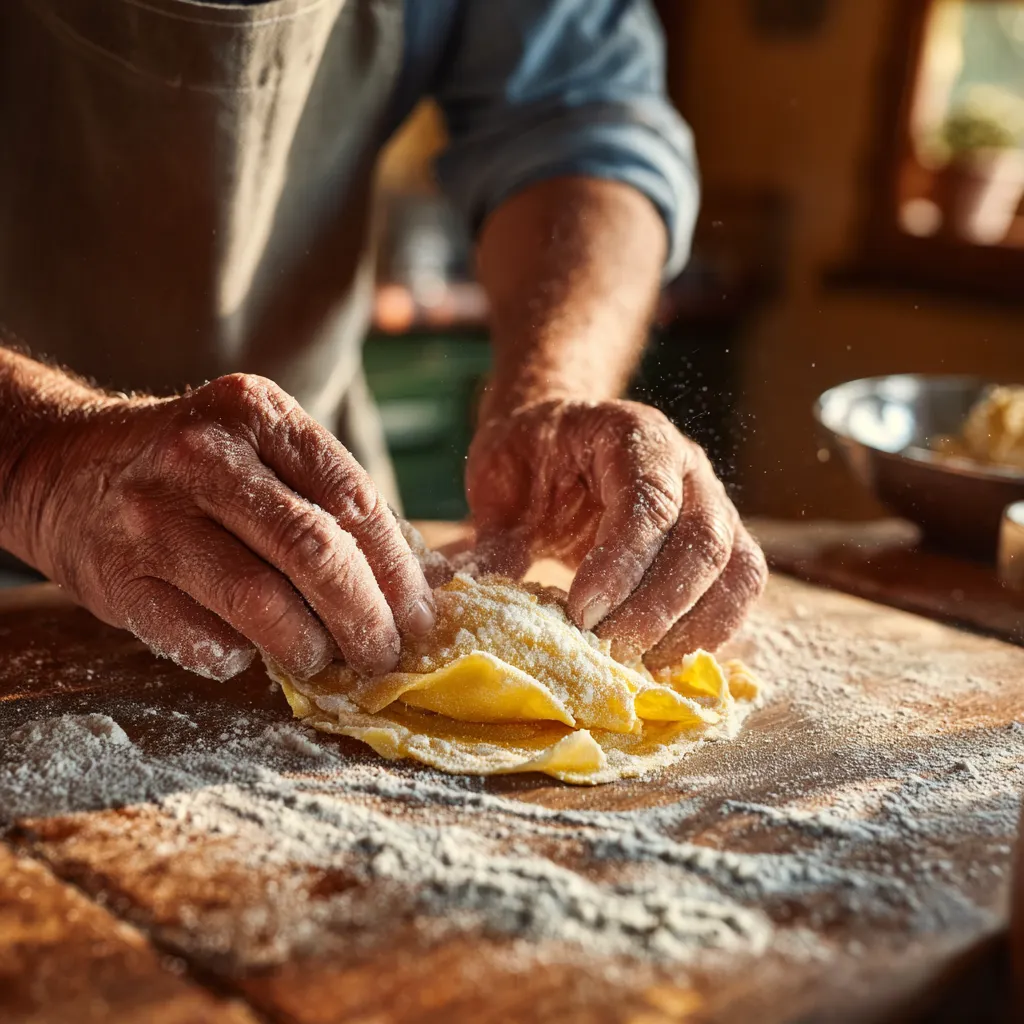
A practical Singapore-flavoured guide to making fresh pasta at home — ingredients, techniques, sauce pairings and where to shop or learn in town.
Fresh pasta turns a weeknight into something special — and it cooks faster than you think.
Measure by weight, rest the dough, and always save some pasta water.
From cosy Tiong Bahru cafés to Italian restaurants in Orchard and neighbourhood kopitiams putting their own spin on western fare, pasta is a staple of the local dining scene. Making fresh pasta at home brings that restaurant texture — silky, tender and quick to cook — into your weekday or weekend makan routines.
In Singapore’s compact kitchens, fresh pasta is economical and forgiving: a simple dough of flour and eggs can be made without fancy kit, and it cooks in minutes, perfect for busy CBD lunch crowds, supper sessions, or a relaxed East Coast dinner.
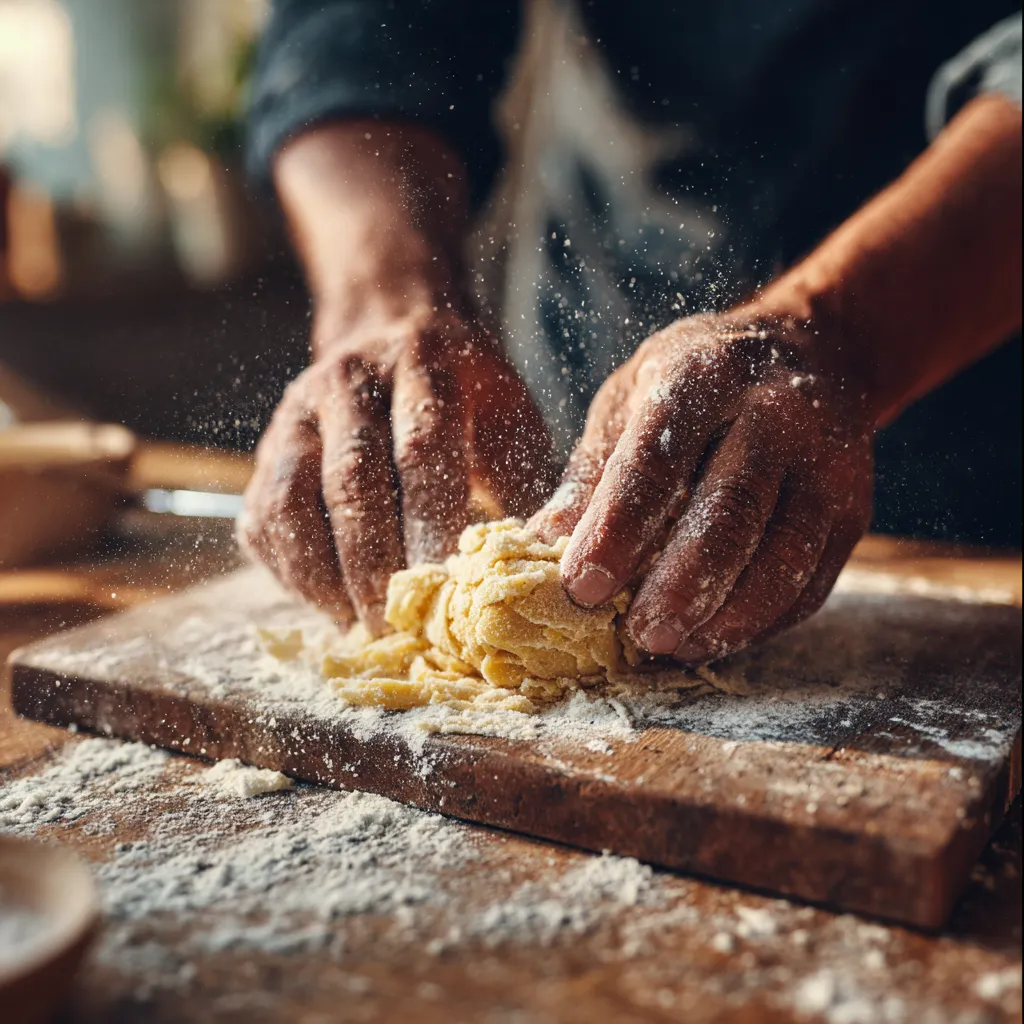
The two fundamentals are flour type and egg ratio. Use '00' flour for silky sheets and semolina for bite — a 1:1 mix (by weight) is a versatile starting point. In Singapore humidity varies by season, so measure by weight rather than cups.
A basic ratio to remember is 100 g flour to 1 large egg for pasta alla chitarra-style dough; adjust with a teaspoon of water if dough looks dry or a dusting of flour if sticky. Resting the dough (30–60 minutes wrapped in cling film) relaxes gluten and makes rolling far easier.
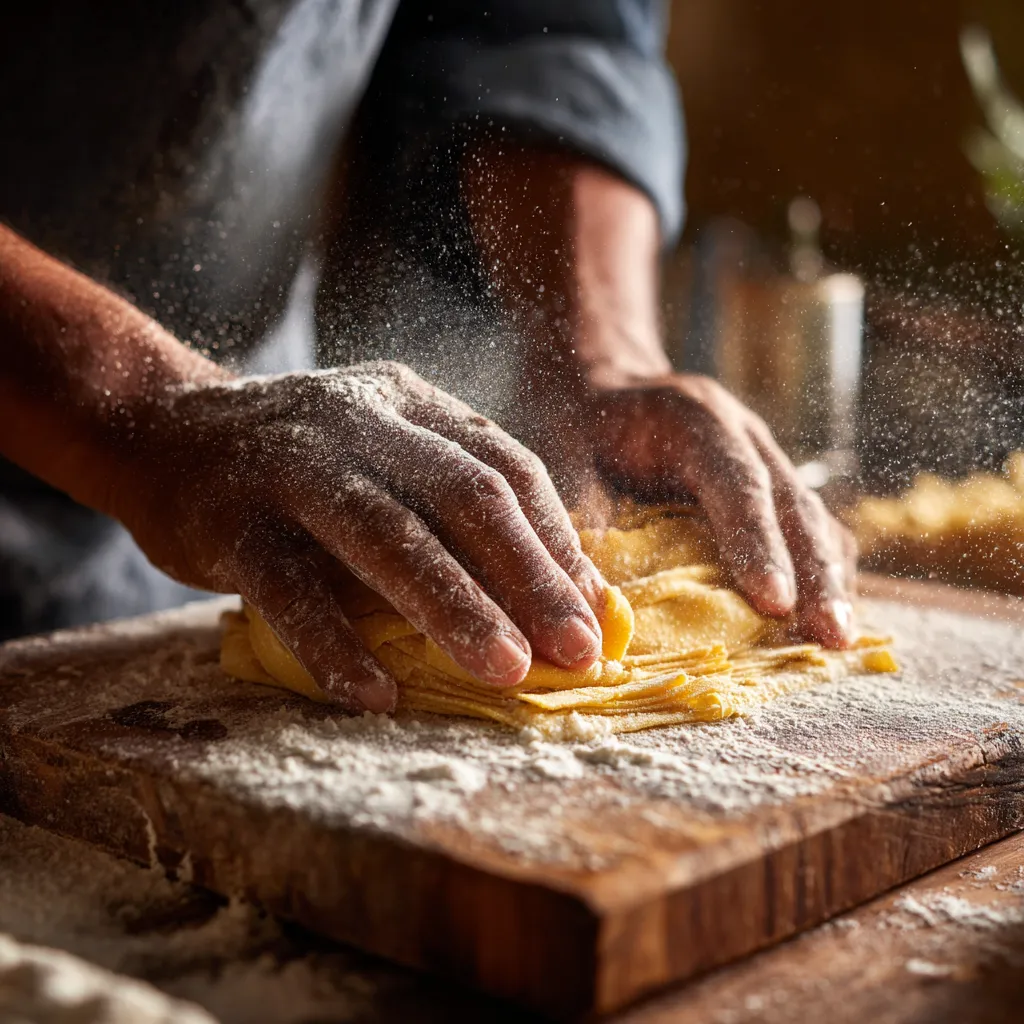
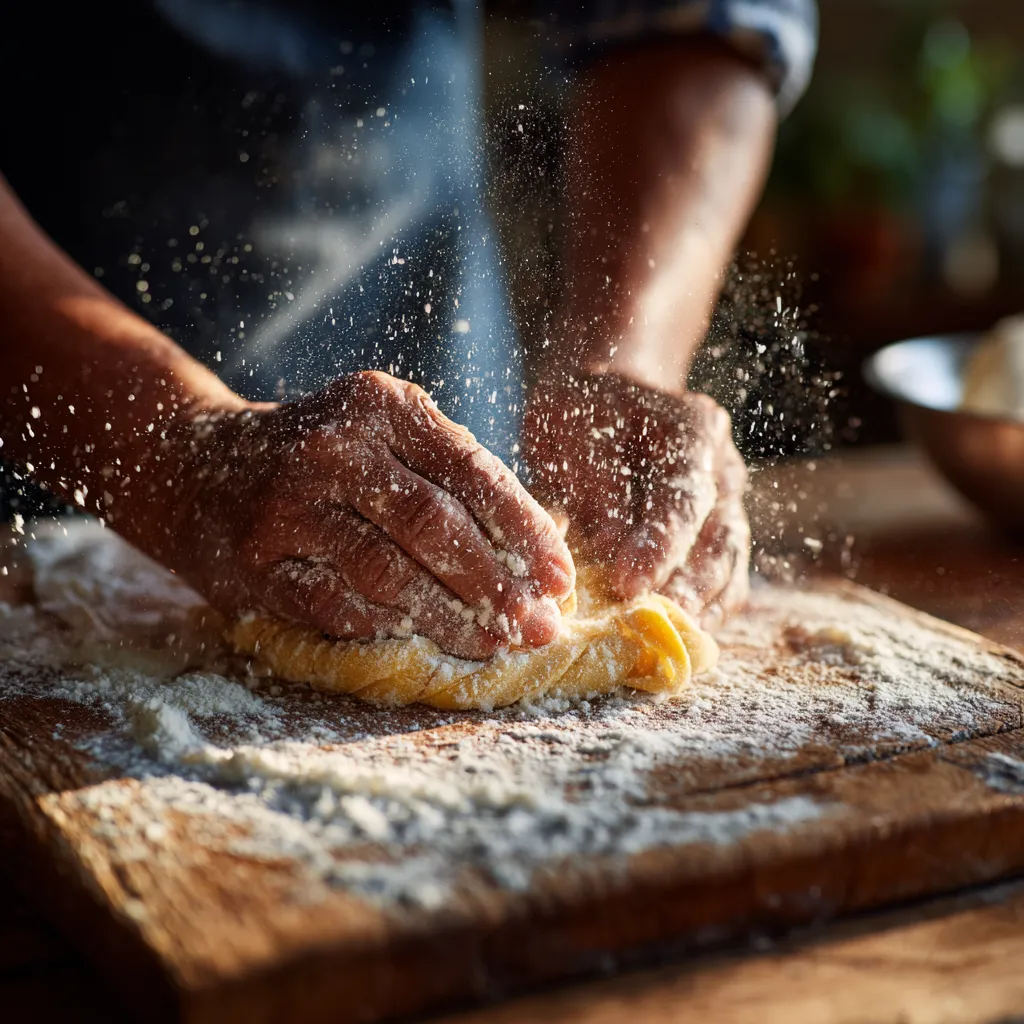
Knead until the dough is smooth and springs back when pressed; short, firm sessions (8–10 minutes by hand) are enough. Letting dough rest under a bowl or wrapped keeps it from drying out — this is non-negotiable for elasticity.
You can use a rolling pin or a pasta machine. For tagliatelle or fettuccine, roll thin and fold or dust to cut; for ravioli, keep sheets even and use plenty of flour between layers to prevent sticking. Even in a small HDB kitchen you can lay sheets over a drying rack or use the back of a chair — just keep flies and humidity in mind.
Match format to sauce: thin noodles (spaghetti) suit oil-based sauces like aglio olio; ribbon pastas (tagliatelle) carry cream and ragù; stuffed pastas (ravioli) pair beautifully with butter and sage or a light tomato ragu. Try the site’s own recipes like Carbonara with Bacon & Egg or Aglio Olio with Prawns for straightforward pairings and inspiration.
For a local twist, combine hearty zi char-style flavours with simple pasta — e.g., a light chilli crab reduction for hand-cut pappardelle (use sparingly) or wok-fried prawns with garlic for an aglio-olio spin. Remember that fresh pasta absorbs sauce differently than dried, so reserve some pasta cooking water to adjust sauce consistency.
Good ingredients and a few lessons fast-track your pasta journey. Buy 00 flour and semolina at larger Cold Storage branches, specialty grocers in Orchard or online. For fresh eggs and local produce, Tekka Centre and Tiong Bahru Market are reliable heartland options; artisan bakeries like Mother Dough Bakery stock quality ingredients and are good places to ask bakers for tips.
If you want hands-on guidance, consider booking a class or an Italian restaurant workshop — neighbourhood trattorias and cooking schools around the city sometimes run pasta-making sessions. For inspiration or a restaurant-style finish, check out Trattoria Nonna or Tuscan Table for regional plates and plating ideas.
Regional Italian plates to try
Cozy homestyle Italian trattoria serving handmade pastas, slow-cooked ragu and wood-fired pizza in Katong....

Comforting Tuscan flavours
Upscale Tuscan-style Italian restaurant known for handmade pasta, a wood-fired grill and an extensive Italian wine list....