Make laksa at home
Singapore Laksa (Lemak Style)
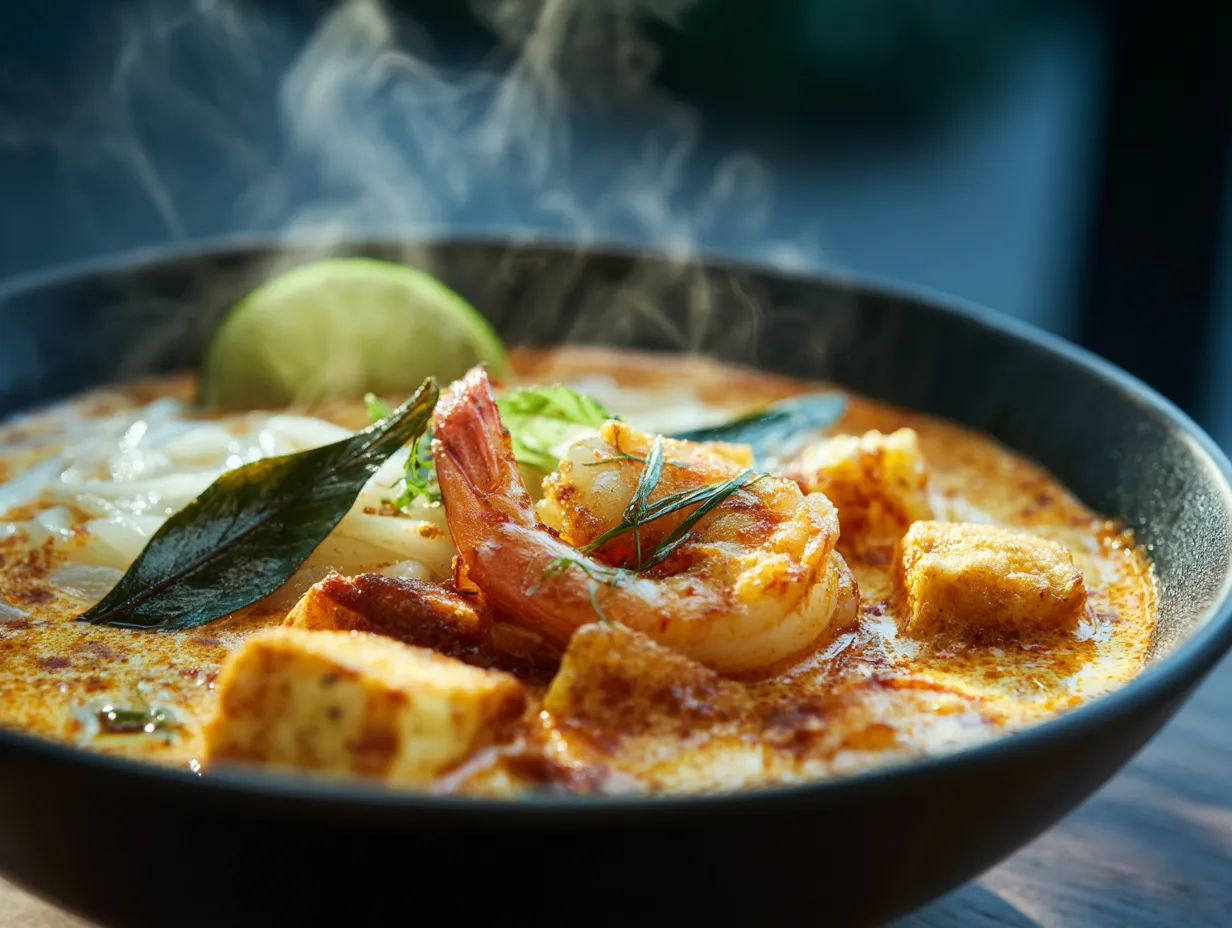
Singapore-style lemak laksa — a rich, coconut-milk noodle soup simmered with prawns, fish cake and aromatic laksa paste ...

A practical Singapore guide comparing GrabFood, Foodpanda and Deliveroo — fees, coverage, hawker availability and which app to use for your next makan in the CBD, East Coast or Tiong Bahru.
For regular orders, promos and subscription passes usually shave off more than chasing the lowest delivery fee.
When it’s about hawker favourites, check which app lists your stall — coverage beats tiny fee differences.
Delivery apps aren’t just convenient — they shape how Singaporeans makan. From late-night supper runs in Geylang to office lunches in the CBD, the app you pick affects cost, speed and whether you can get hawker favourites delivered.
Each platform has a slightly different network of hawkers, cafes and restaurant partners, which matters if you want Katong laksa, zi char, or a weekend brunch from a Tiong Bahru cafe. Coverage, surge pricing at peak hours, and promo availability can swing your final bill substantially.

Delivery fees, service fees and small-order surcharges are the three things that inflate a bill. All three apps run promos regularly, but the mechanics differ: look out for first-time discounts, merchant promotions, voucher stacking rules and subscription passes that waive delivery fees.
Practical tip: combine orders to hit free-delivery thresholds, schedule orders outside peak surcharge windows, and save frequently used promo codes in each app so you can compare final totals before you confirm.

Coverage varies by neighbourhood. In the CBD and shopping malls like Bugis or Orchard, you’ll usually find all three apps carrying the same chain restaurants. In heartland pockets — think Tiong Bahru kopitiams, East Coast hawker clusters, or smaller stalls at Tekka Centre — one app may list more local stalls than the others.
Speed depends on rider availability and local demand. Deliveroo often promotes quick courier networks in high-density dining districts, while GrabFood and Foodpanda lean on broader driver fleets that combine food and transport services. Late-night hawker deliveries (supper runs) are hit-and-miss and often cost more due to surge pricing.
Not all dishes travel well: soupy laksa, bak chor mee and crispy fried items may lose textural appeal en route. When ordering hawker food, add a note for 'separate sauces' or 'no soggy mantou' where possible and choose insulated packaging options if offered.
Respect stall rules: some hawkers set longer prep times for delivery, and busy stalls may limit third-party delivery orders during peak periods to serve walk-in customers. If a stall shows long prep times, consider collection or ordering from a nearby cafe instead.

There’s no single winner — each app has strengths depending on the situation. For promo hunters, switching between apps to use merchant discounts and first-time vouchers can save the most. For late-night hawker runs, check which app lists more heartland stalls near you. For corporate lunch orders in the CBD, platform reliability and group-order tools matter most.
Practical verdicts: use GrabFood if you already use Grab for transport and want integrated rewards; try Foodpanda for certain neighbourhood cafe partnerships and frequent merchant vouchers; use Deliveroo where fast courier networks and quick ETAs are a priority. When in doubt, open all three apps and compare the final checkout price and ETA — that’s the quickest way to decide.
Make laksa at home
Singapore-style lemak laksa — a rich, coconut-milk noodle soup simmered with prawns, fish cake and aromatic laksa paste ...
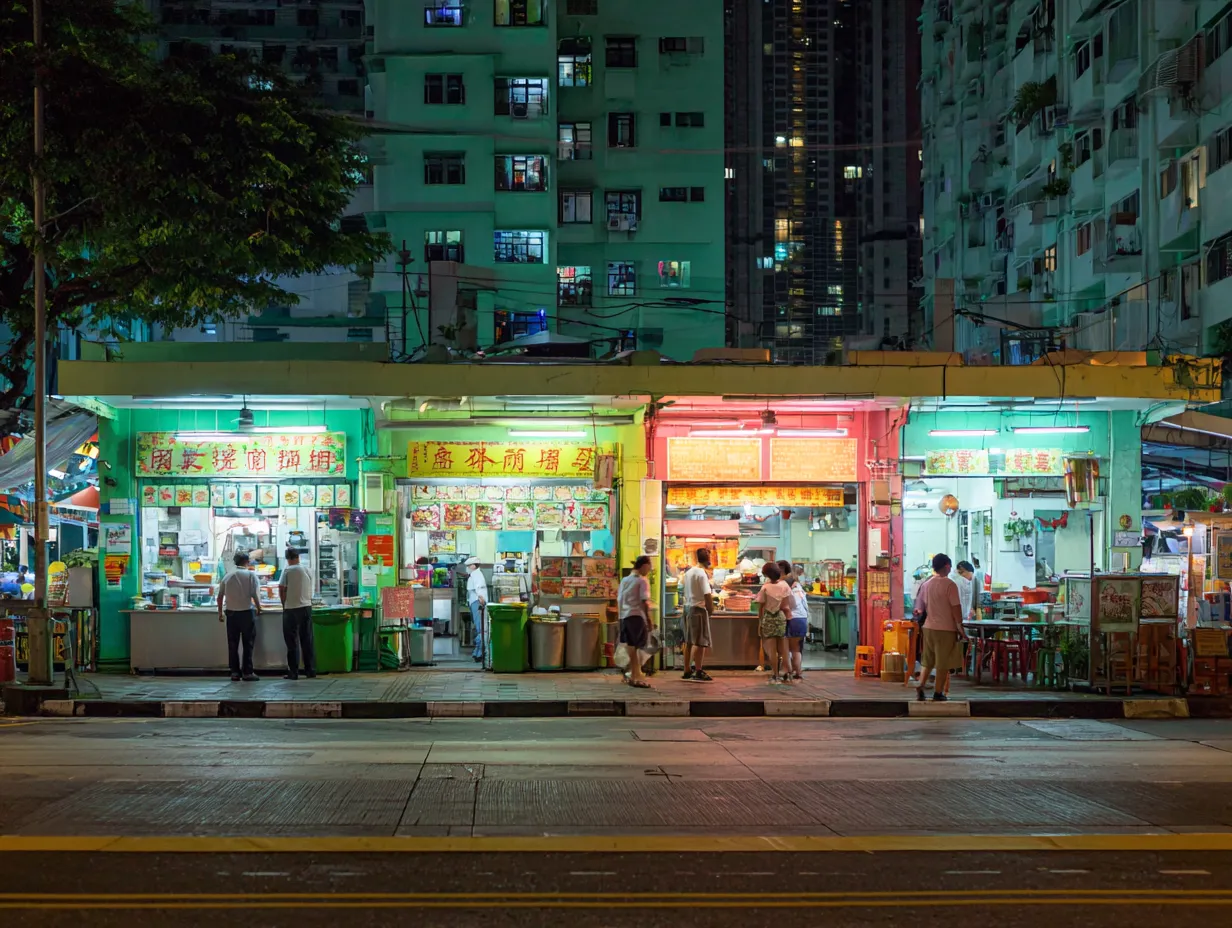
Heartland hawker favourites
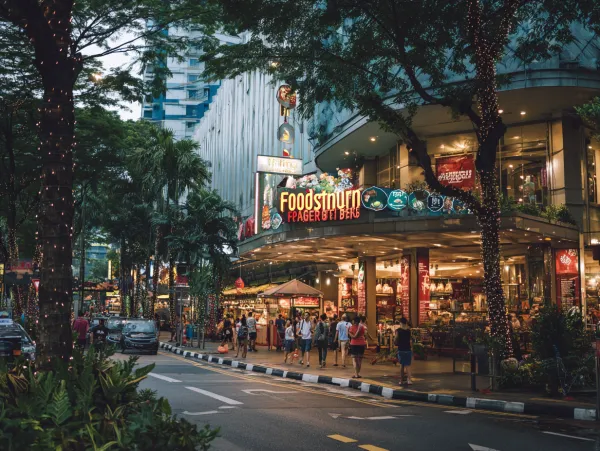
A bustling neighbourhood hawker centre in Tiong Bahru known for classic Singapore street food and kopitiam-style breakfa...