


Mediterranean flavours in the heartland
The Olive Branch
Neighbourhood Mediterranean bistro serving Greek-influenced, family-style dishes in a cosy Tiong Bahru setting....
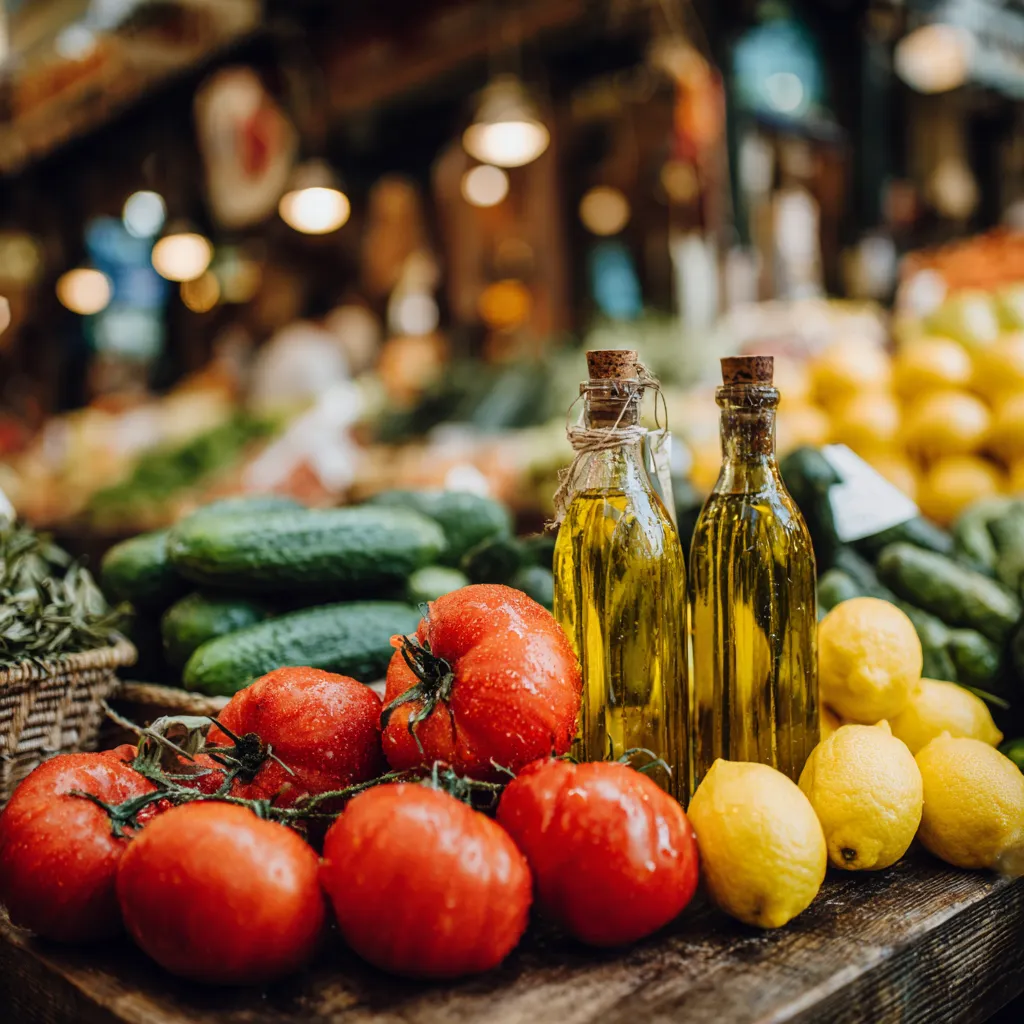
A Singapore-focused guide to the Mediterranean diet — what the science says, practical ways to eat olive-oil-forward meals here, and where to find Mediterranean flavours across the island.
Small swaps — olive oil for butter, fish for fried food — add up to big health wins in a city like Singapore.
Eating Mediterranean here is less about exotic ingredients and more about making fresh, shared meals part of your routine.
The Mediterranean diet — think olive oil, fresh vegetables, fish, legumes and whole grains — is more than a cuisine: it’s a pattern of eating associated with lower heart disease, better metabolic health and longevity. In Singapore, where sedentary office lives and late-night hawker suppers are common, adopting elements of this approach can be both realistic and beneficial.
You don’t need to move to the Med to eat Mediterranean. Swap a dollop of coconut oil for extra-virgin olive oil when cooking, reach for grilled fish instead of deep-fried seafood, and add more salads or legumes to your plate. Local markets (Tekka Centre, Tiong Bahru market) and supermarkets make fresh produce and wholegrains widely available across neighbourhoods from East Coast to Orchard.
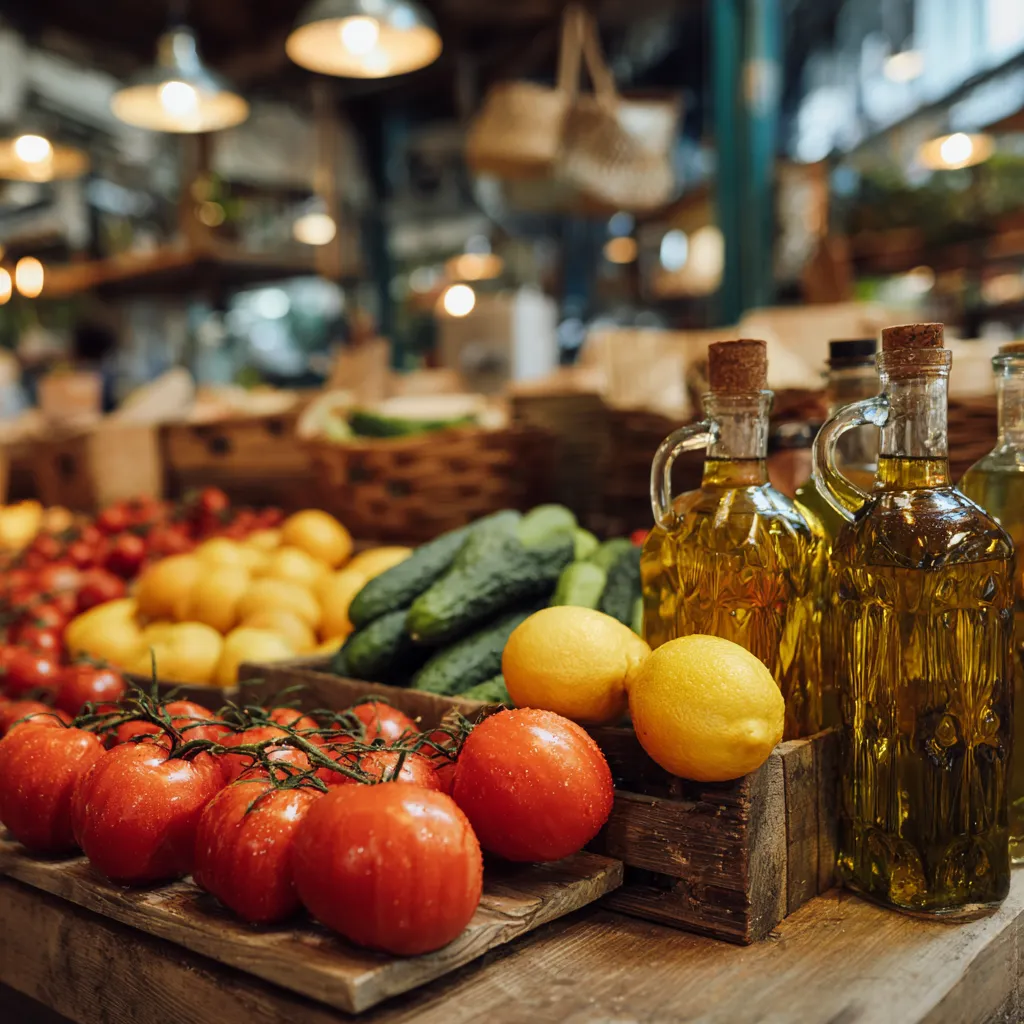
Large studies show the Mediterranean pattern reduces risk of cardiovascular disease, improves cholesterol profiles, and helps control blood sugar. Researchers credit high-quality fats (monounsaturated and omega-3), fibre from vegetables and legumes, and antioxidants from herbs and produce.
For Singaporeans, those benefits translate into lower risk of coronary heart disease and type 2 diabetes — conditions that are rising locally. Adding Mediterranean staples can also help reduce inflammation and support brain health as you age.
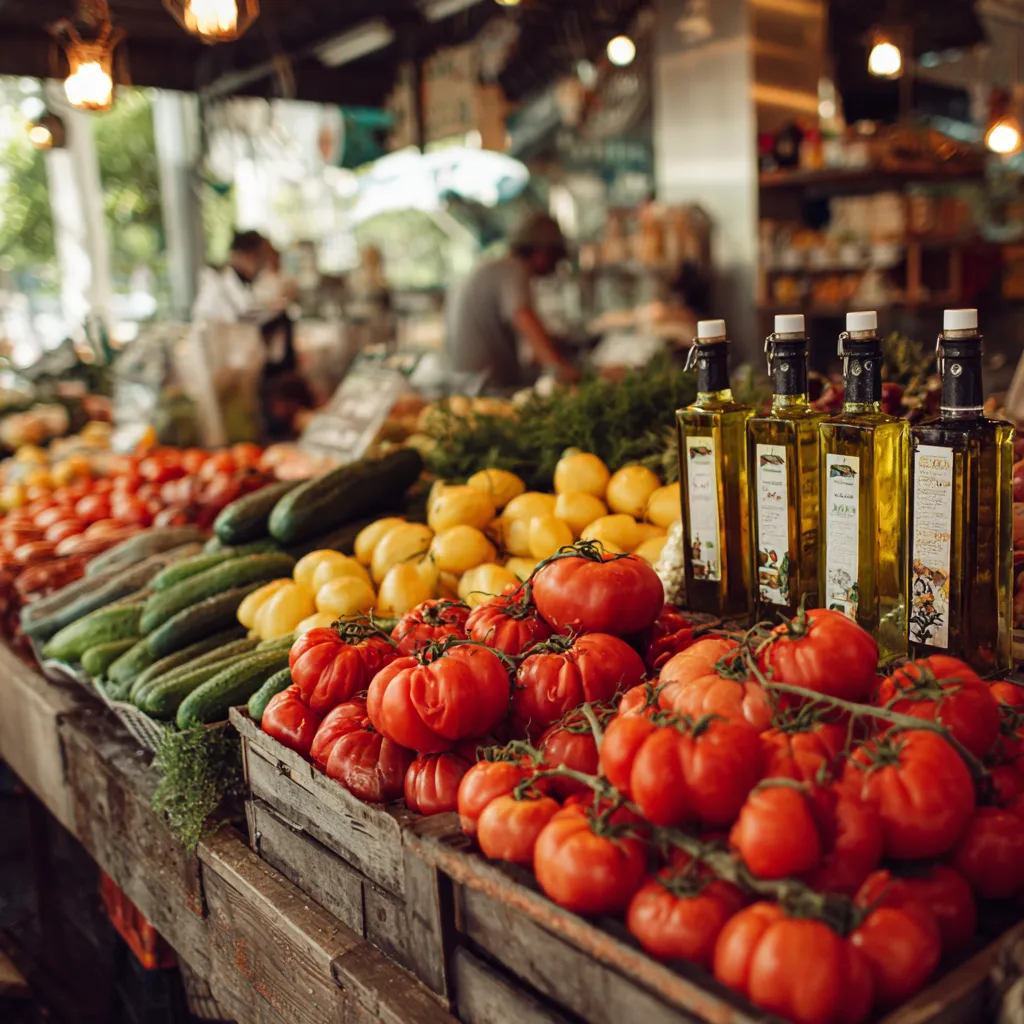
Start with swaps you can maintain: use extra-virgin olive oil for dressings and low-heat cooking, add a daily portion of vegetables (broad beans, cucumbers, tomatoes) and choose grilled or baked fish over fritters. At the kopitiam, opt for tau pok and vegetables instead of heavy curry gravy; at hawker centres, choose steamed fish or a salad-based plate when available.
Shop smart: weekly markets in Tiong Bahru, Tekka Centre and wet markets around the heartlands offer fresh produce at good prices. Look for canned fish in olive oil, dried beans and wholegrain breads at neighbourhood supermarkets to make Mediterranean meals convenient.
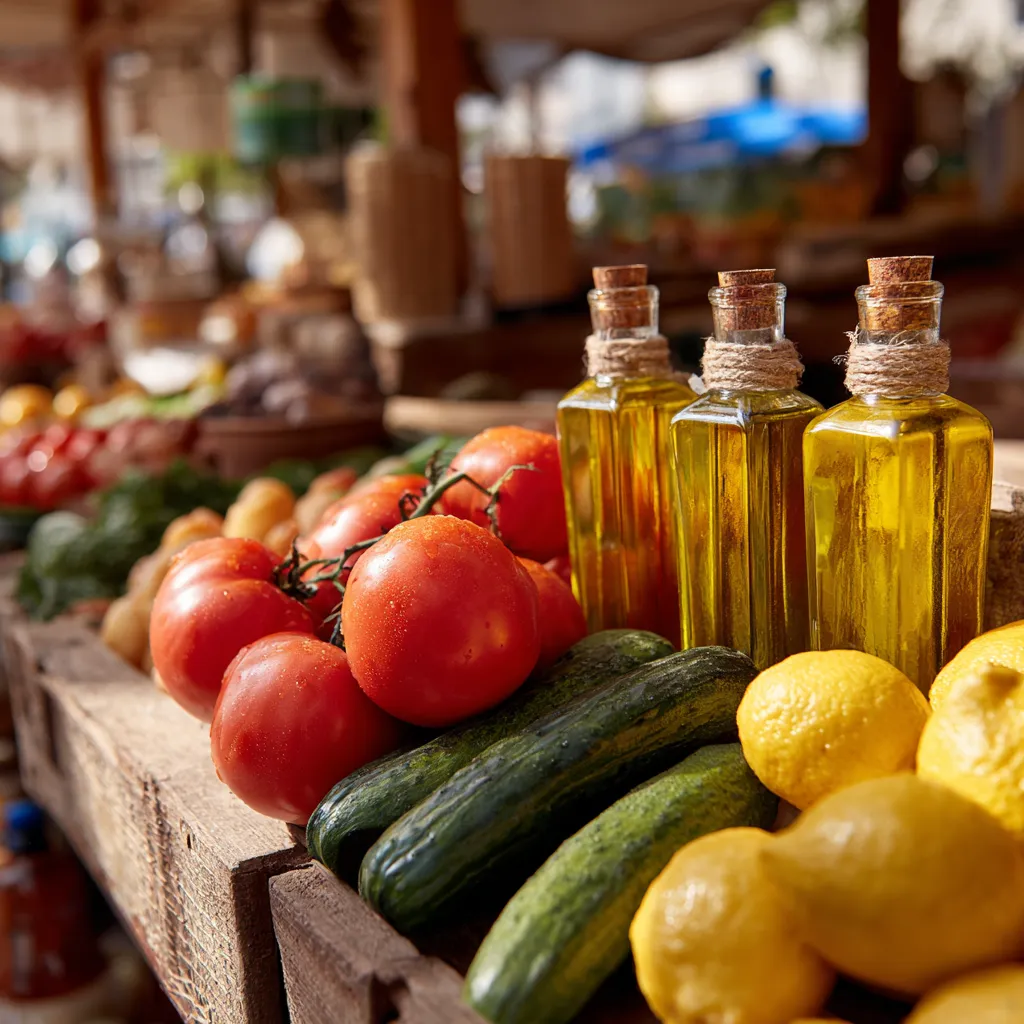
Start simple: a Caprese salad (tomato, basil, buffalo mozzarella, olive oil) or bruschetta makes for a quick, fresh starter. For mains, baked fish with lemon and herbs, pasta with olive oil and garlic, or vegetable-forward dishes like eggplant parmigiana and Greek moussaka are comforting and balanced.
If you want to cook Singapore-style Mediterranean, pair local fresh seafood (grilled sambal-free) with a tomato-herb salsa, or make a mezze platter combining hummus, grilled vegetables and wholegrain breads for a shareable supper.
Morning: Start with a yoghurt-and-fruit breakfast at a cafe in Tiong Bahru or Orchard — swap kaya toast for wholegrain toast with olive-oil-poached eggs and a side salad. Midday: Lunch at an Italian trattoria or Mediterranean cafe in the CBD or Katong for grilled fish, salads and a small glass of red wine if you like.
Evening: For dinner, head to East Coast or a neighbourhood restaurant serving Mediterranean or Italian dishes (look for grilled seafood, vegetable mezze and wholegrain sides). Finish with a light dessert like fresh fruit or a small affogato, and enjoy the meal with company — the social element is part of the pattern.
Mediterranean flavours in the heartland
Neighbourhood Mediterranean bistro serving Greek-influenced, family-style dishes in a cosy Tiong Bahru setting....

Classic Italian in Singapore
Cozy homestyle Italian trattoria serving handmade pastas, slow-cooked ragu and wood-fired pizza in Katong....