
Classic late-night dim sum spot
Swee Choon Tim Sum
Popular late‑night Cantonese dim sum restaurant in Jalan Besar, best known for its liu sha bao (molten salted egg buns) ...
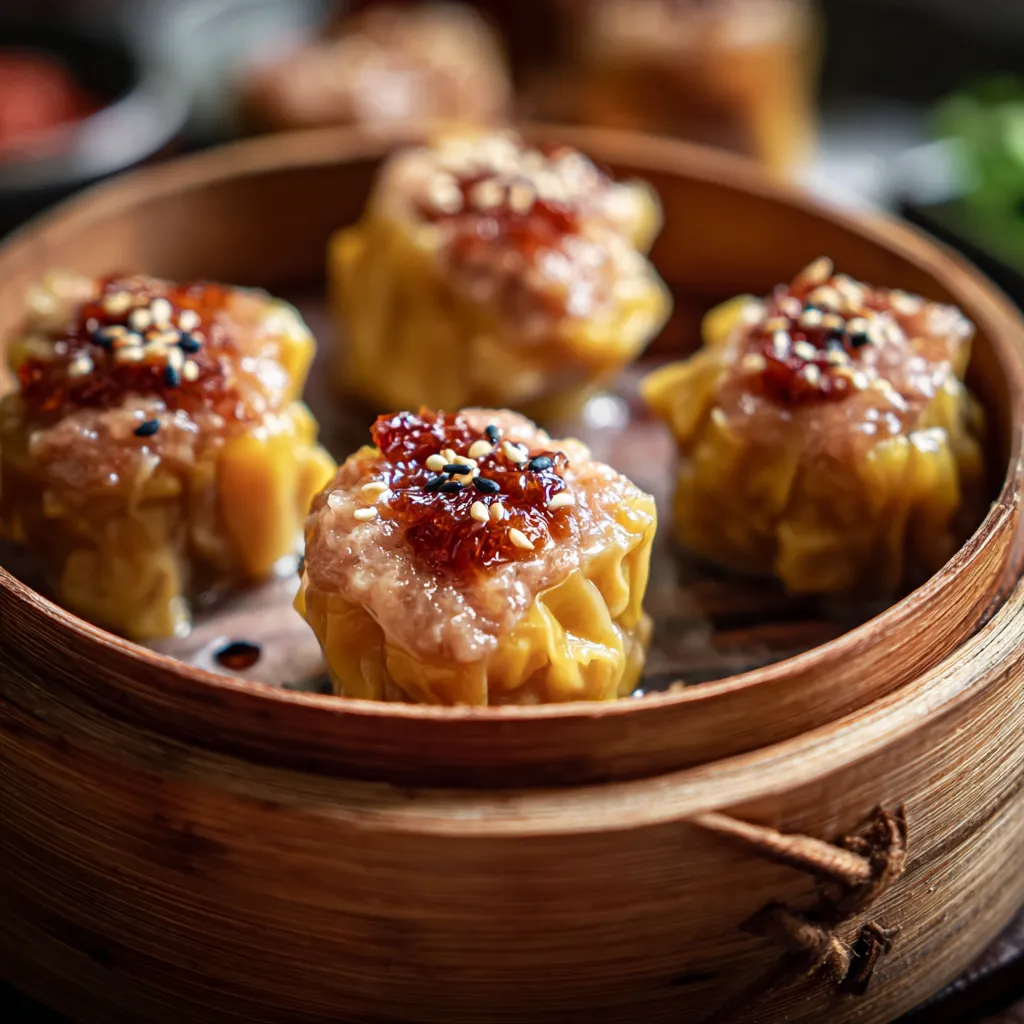
A practical Singapore-focused beginner's guide to making halal dim sum at home, with ingredient swaps, steaming techniques and where to buy halal supplies around the island.
You can keep the ritual of yum cha while making every bite halal — it’s all about swaps, careful sourcing and simple technique.
Start small: master one dumpling, one dough and one sauce, then invite friends for a neighbourhood-style makan.
Dim sum is part of Singapore’s food fabric — from morning yum cha in kopitiams to late-night plates at zi char places — but for Muslim households and anyone avoiding pork or non-halal ingredients, traditional recipes need thoughtful swaps.
Making halal dim sum at home lets you keep the ritual (bamboo steamers, little plates, and shared bites) while using halal-certified proteins and sauces sourced from local wet markets and neighbourhood supermarkets.
It’s also a great way to recreate favourites from places like Swee Choon Tim Sum or your morning tea run in Tiong Bahru, while controlling ingredients and salt or spice levels for family-friendly makan.
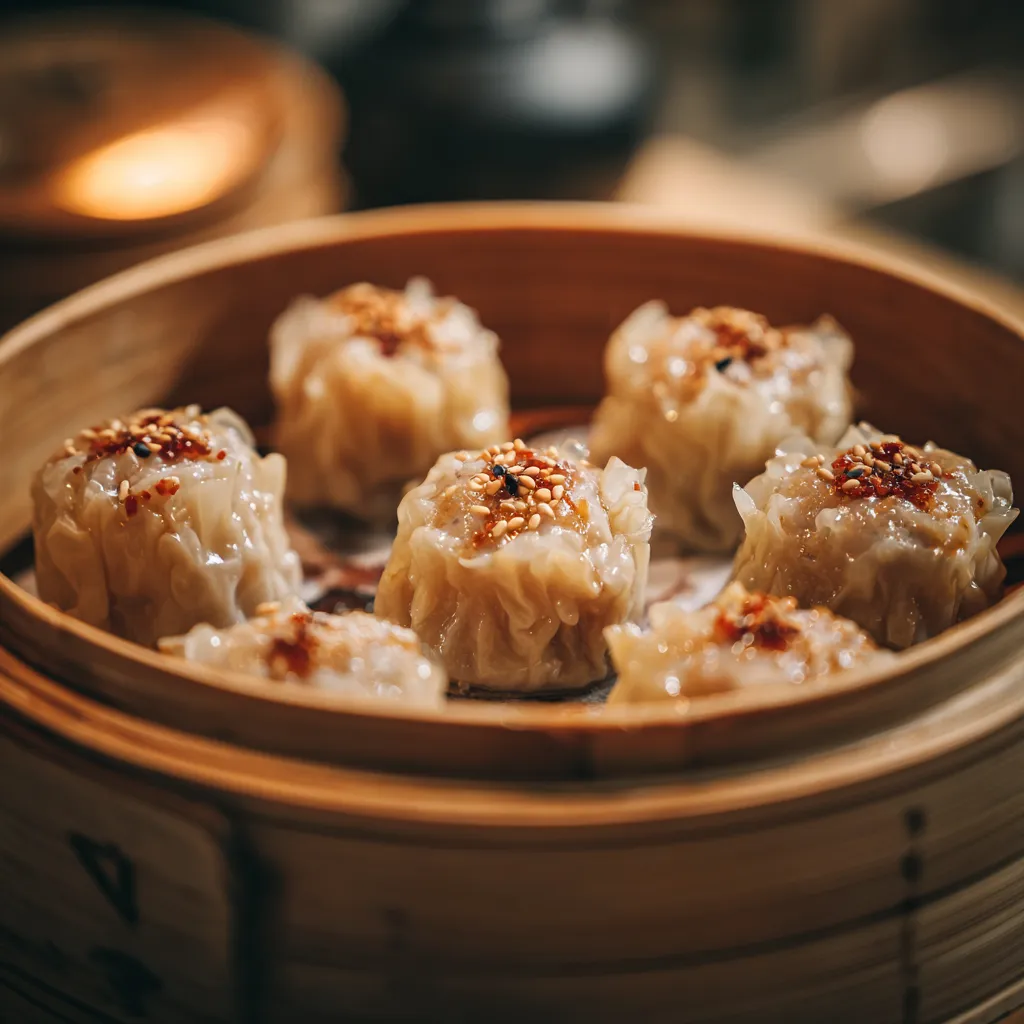
You don’t need specialty stores — Tekka Centre, Geylang Serai Market and major supermarkets (NTUC, Cold Storage) stock halal-certified chicken, beef and a range of sauces. Look for clear halal labelling on sauces, char siew marinades and processed items.
For wrappers and specialty supplies: wet markets and kopi shops near Tiong Bahru or Jalan Besar often sell fresh dumpling skins; otherwise grab frozen har gow/siu mai skins and halal minced chicken from supermarkets.
If you prefer online shopping, several halal butchers and caterers in Singapore deliver halal minced meat and luncheon meat alternatives that work well in dim sum fillings.
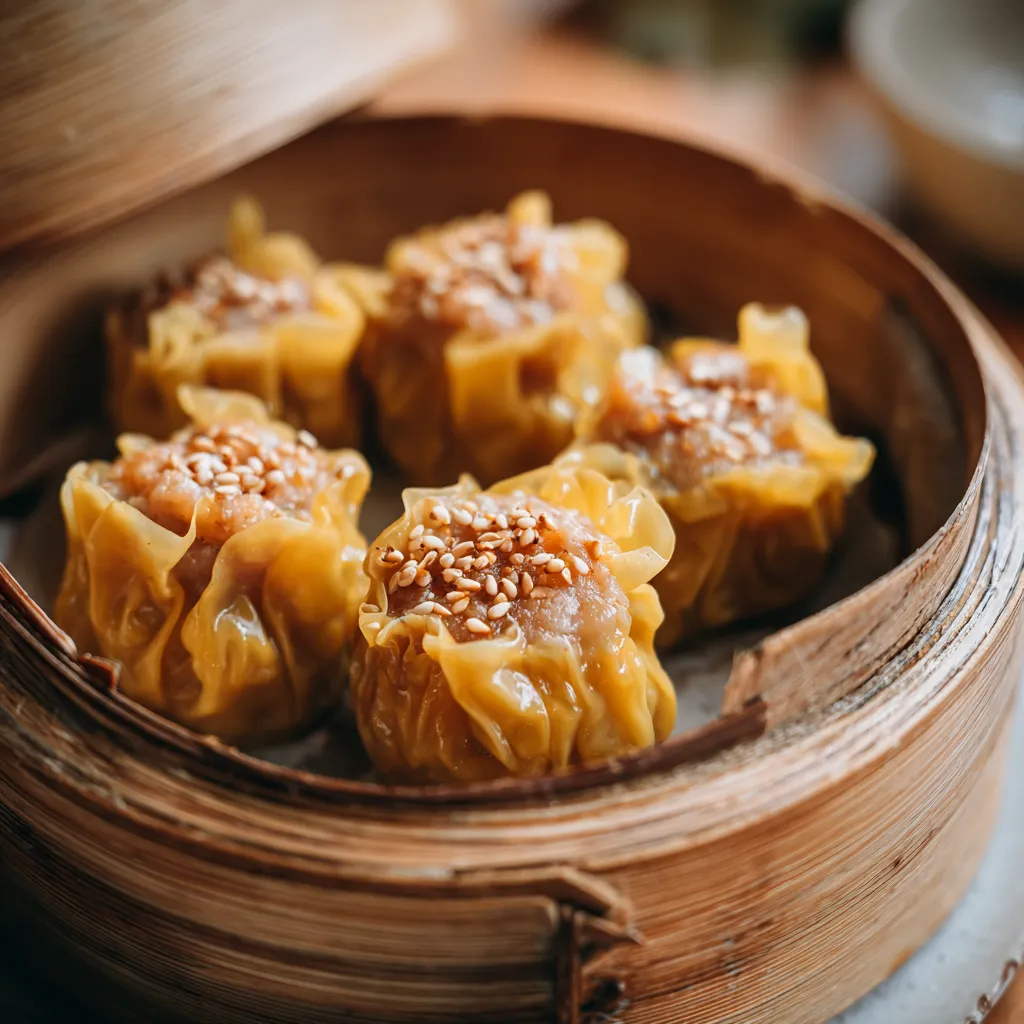
You only need a few pieces of kit to start: a bamboo steamer (or metal steamer basket), a large pot with a trivet, a rolling board and a sharp knife. Bamboo steamers stack neatly — ideal for a multi-dish yum cha session at home.
Master three basic techniques first: making a simple filling (minced halal chicken or beef with aromatics), pleating/encasing wrappers for har gow or siew mai, and steaming to the right time so the filling is cooked but wrappers stay tender.
Tips from home cooks around the island: keep a small bowl of water beside you for wetting edges, dust your board lightly when working with wrappers, and steam over simmering (not roaring) water to avoid soggy bottoms.
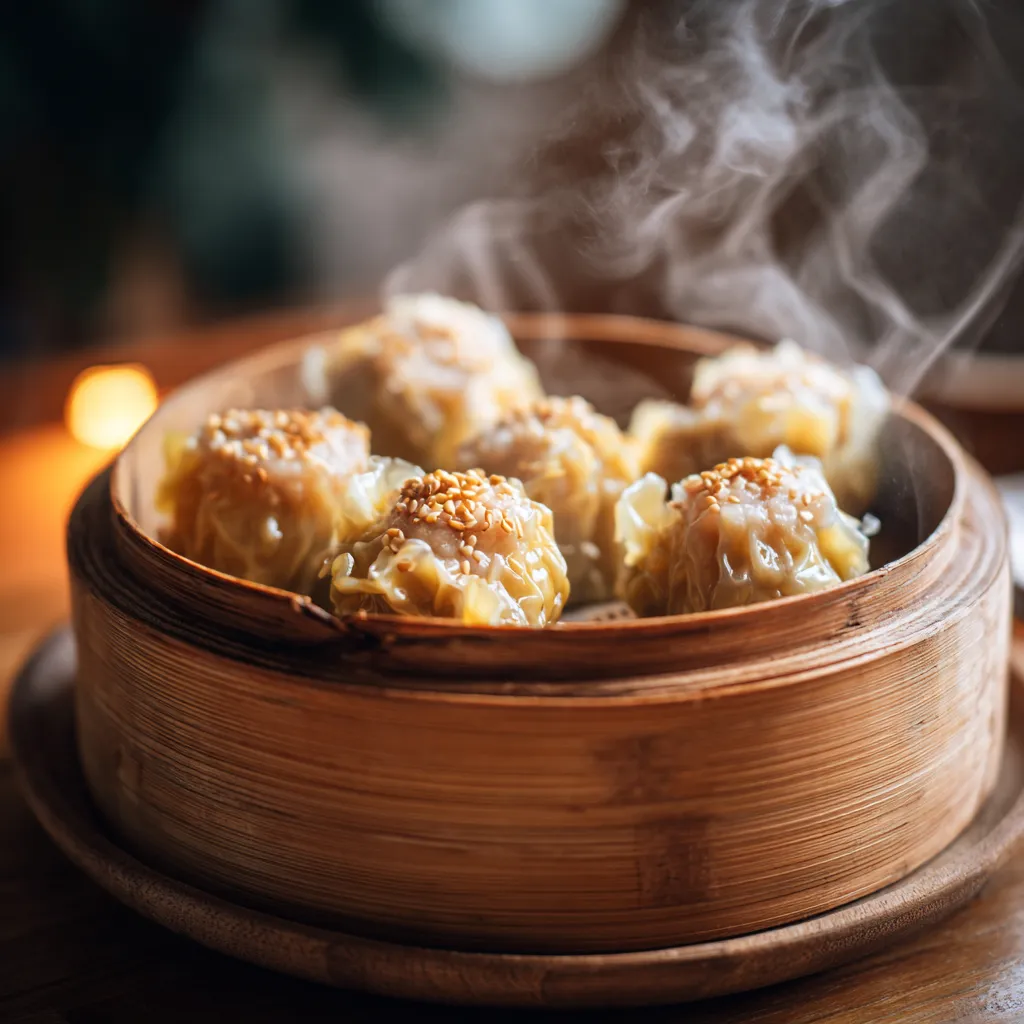
Start with three dishes that are forgiving and instantly rewarding: halal siew mai (chicken or beef), har gow-style shrimp dumplings using halal prawns or mixed minced chicken with prawn, and barbecue-style halal char siew bao made with chicken or beef.
Step-by-step mini-plan: prepare fillings in the morning; shape and refrigerate; steam just before serving. Pair with green tea or cooling chrysanthemum and a simple soy-vinegar-chili dip.
For a sweet finish, try Hong Kong–style egg tarts from our recipe collection — the flaky crust and custard make a great contrast to savoury dim sum.