
Make Nyonya curry at home
Curry Chicken with Potatoes (Nyonya Style)
Singapore-style Nyonya curry chicken with potatoes, slow-simmered in a fragrant rempah and coconut milk for a family-fri...
A concise introduction to Peranakan (Nyonya) cuisine in Singapore — what it tastes like, signature dishes, neighbourhood spots like Katong and Joo Chiat, and practical tips for first-time visitors.
Peranakan food is Singapore’s edible history — every bite tells a story of migration, marriage and adaptation.
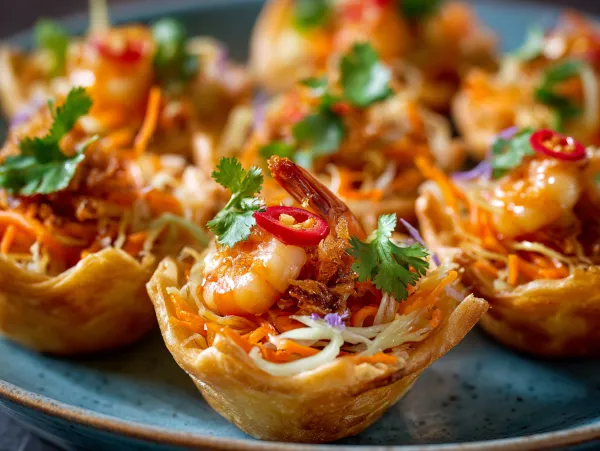
Start with something sweet: a slice of kueh lapis or a few kueh pie tee and you’ll understand why Nyonya flavours endure.
Peranakan or Nyonya cuisine is one of Singapore’s most celebrated hybrid food traditions — a delicious fusion that blends Chinese ingredients with Malay, Indonesian and colonial-era spice techniques. It’s woven into neighbourhoods such as Joo Chiat, Katong and parts of the East Coast, where heritage shophouses and kopitiams still serve family recipes.
For locals, Nyonya food is more than flavour: it’s cultural memory. Many dishes appear at festivals, family gatherings and kopitiam lunches, so trying Peranakan is an excellent way for visitors to understand Singapore’s multicultural history.
The Peranakans are descendants of early Chinese migrants who settled in the Malay archipelago and married local Malay women. Men were known as Babas and women as Nyonyas; over generations they developed a distinct Peranakan identity and culinary style.
Ingredients like tamarind, belacan (shrimp paste), coconut milk and candlenuts found their way into Chinese cooking techniques — producing dishes that were at once familiar and entirely new. Many Peranakan recipes are matrilineal, passed down through generations of Nyonya cooks.
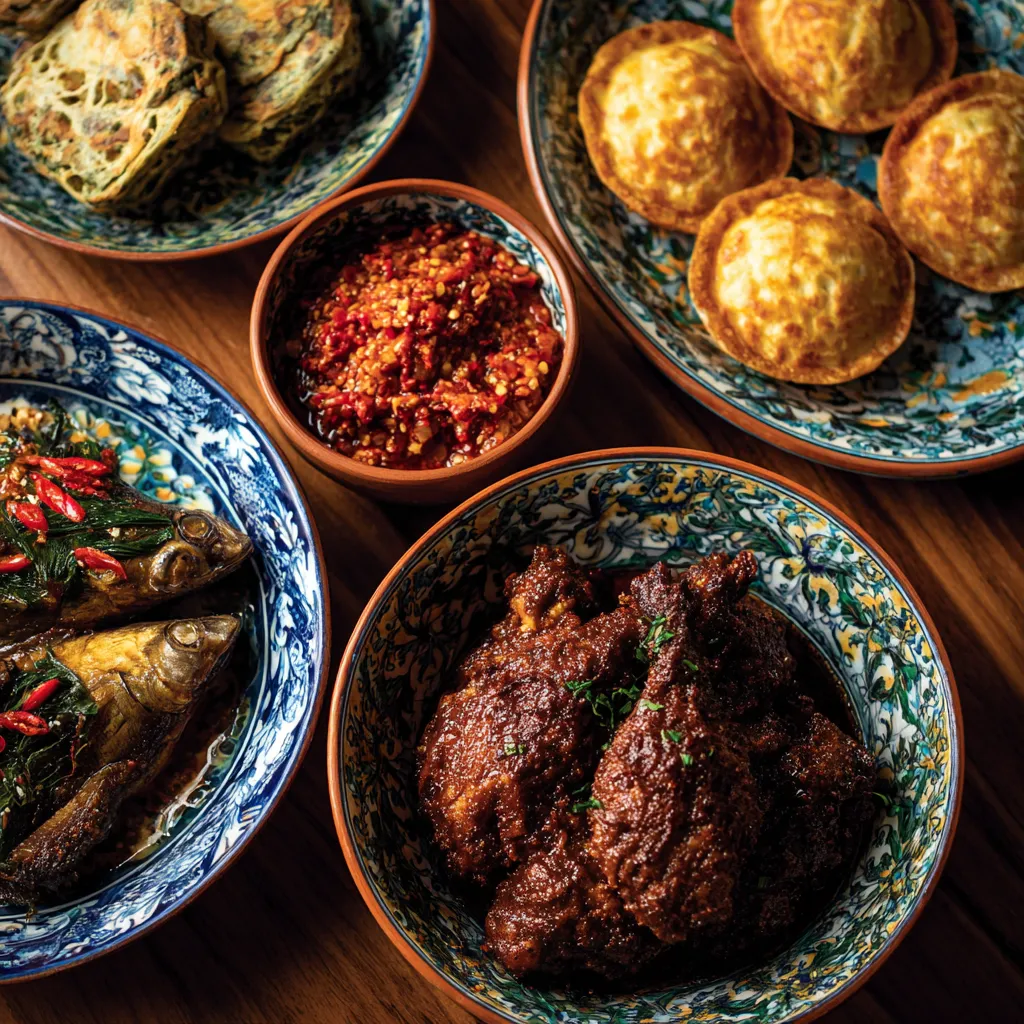
Nyonya cooking is prized for layered flavours — tangy, spicy, nutty and slightly sweet. Expect coconut milk, tamarind (asam), gula melaka (palm sugar), candlenuts and aromatic spices, often pounded in a stone mortar to make pastes.
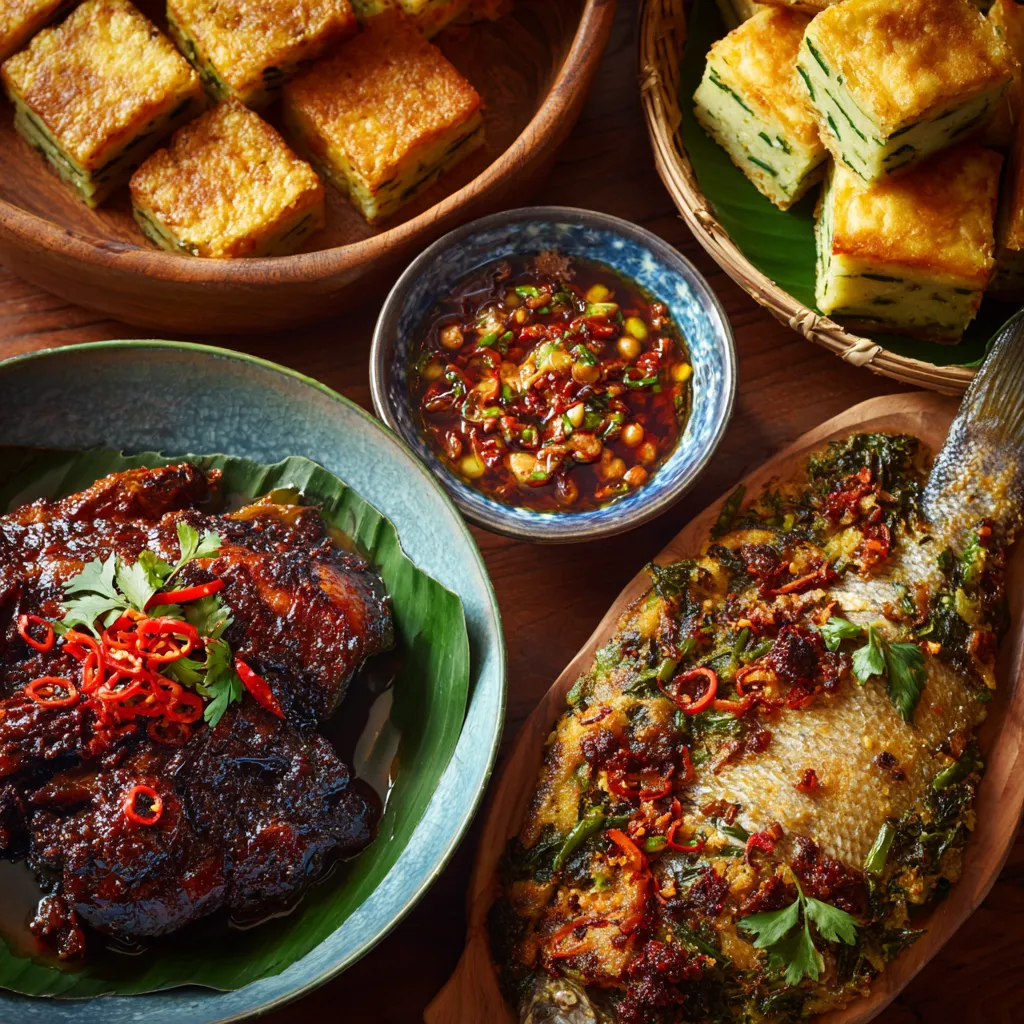
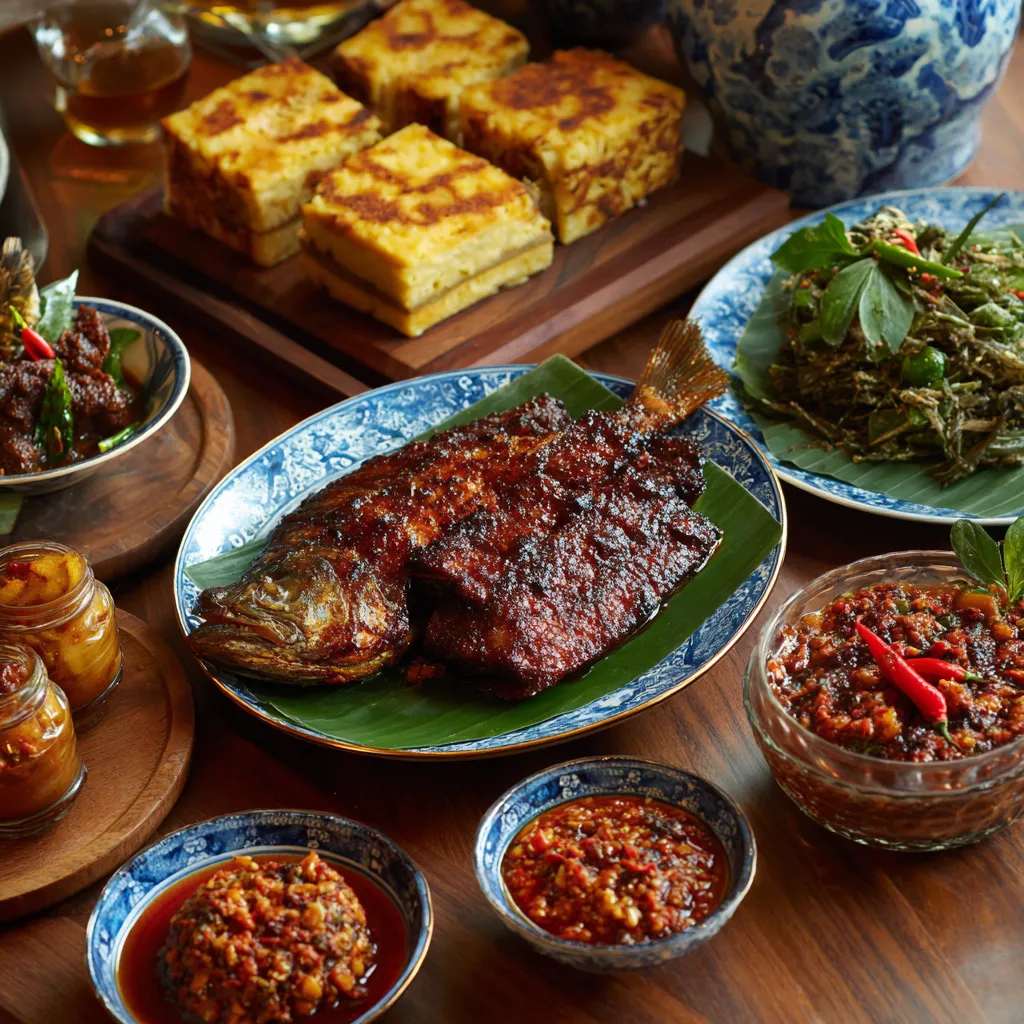
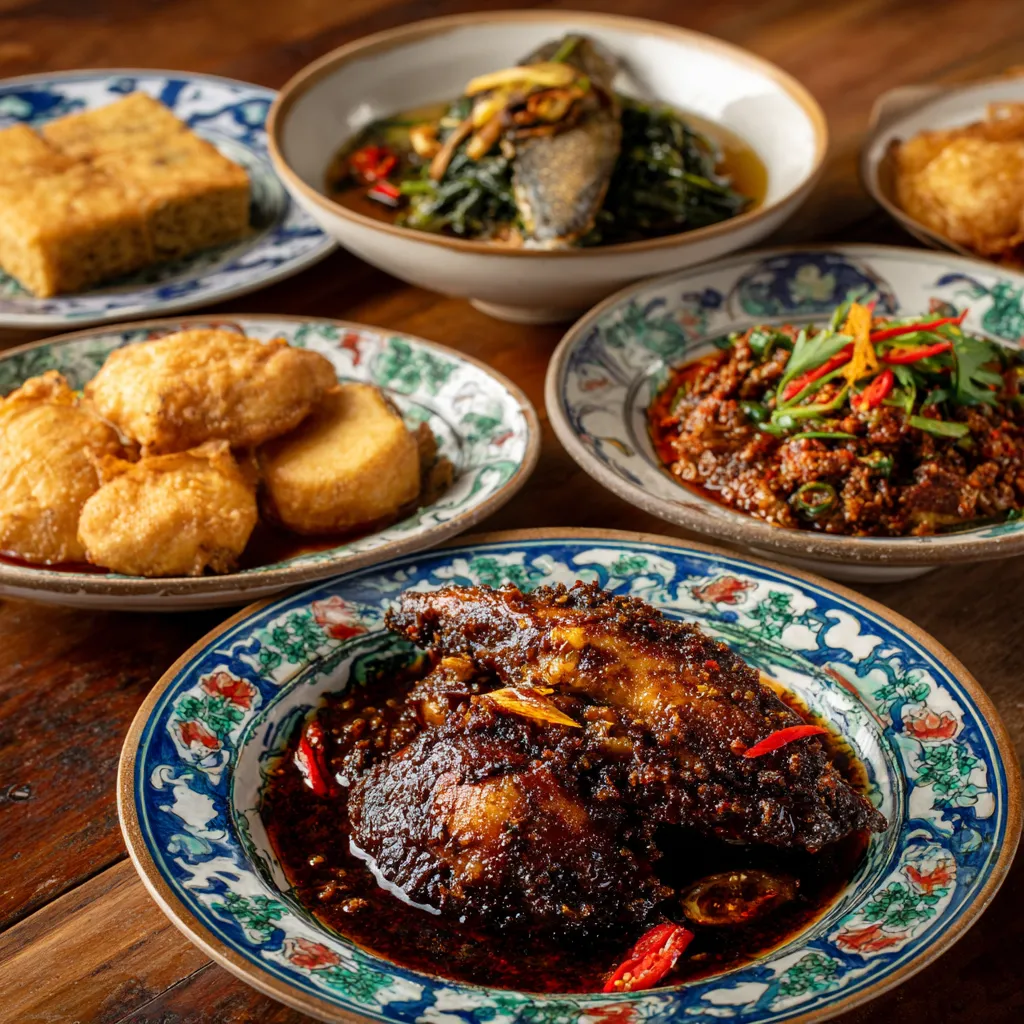
Must-try plates include ayam buah keluak (a black nut chicken stew), assam fish, nonya curry chicken, and achar (pickled vegetables). For snacks and desserts, kueh pie tee, kueh lapis, bubur cha cha and ondeh-ondeh are quintessential.
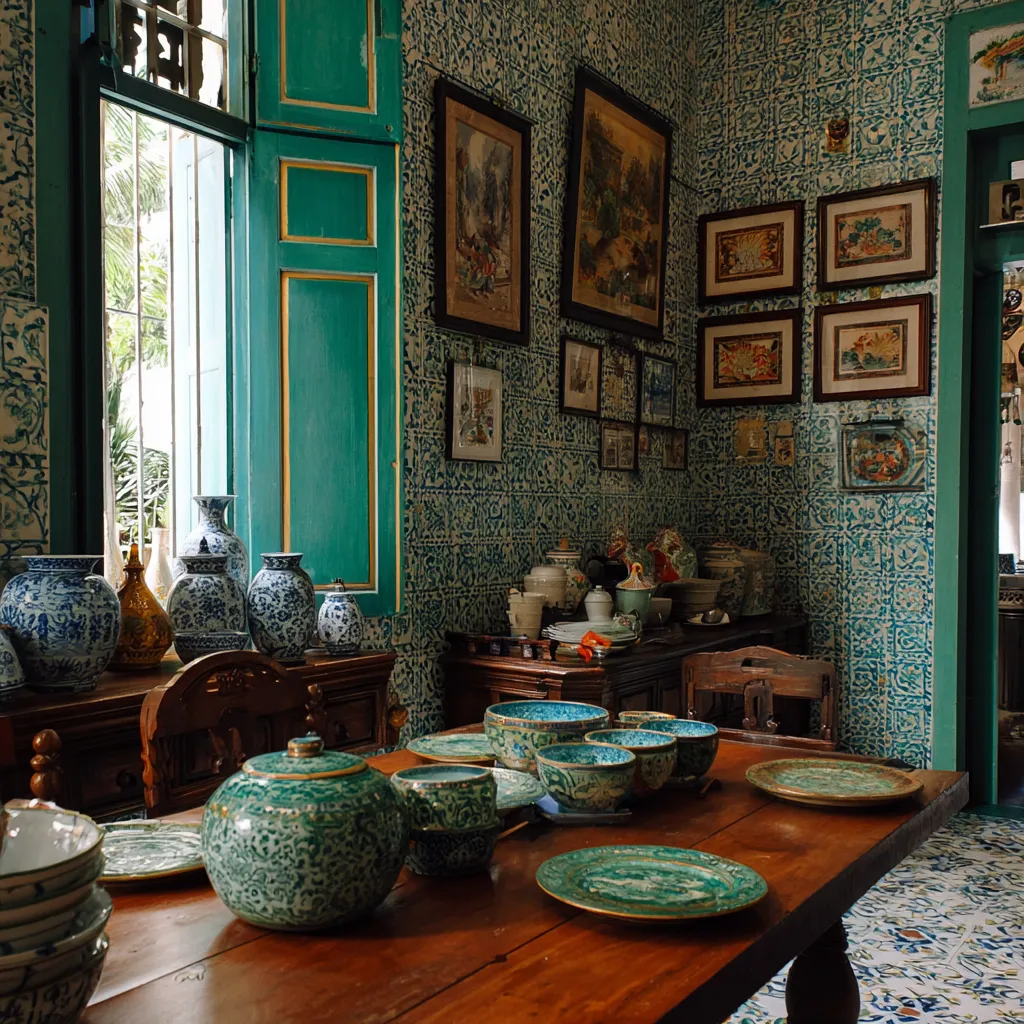
Joo Chiat and Katong are Peranakan strongholds in Singapore — great places to walk the streets, admire Peranakan tiles and stop for a Nyonya lunch. Many kopitiams and small eateries keep authentic recipes alive, while specialist bakeries sell kueh lapis and other sweets.
Look for heritage restaurants and stalls in older estates and near museums; you’ll also find pieces of Peranakan influence across hawker centres and heartland cafes. Combine a museum visit with a makan trail around Katong for a full cultural-and-food day out.
If you’re new to Nyonya food, order a few dishes to share — the cuisine is ideal for sampling. Ask servers about spice levels (some dishes are tangy rather than fiery) and portion sizes so you can pace a makan session without waste.
Many Peranakan dishes contain nuts, belacan or rich coconut milk. Vegetarians can find kueh and some vegetable-based dishes, but always check for shrimp paste or fish sauce. For takeaway, request less gravy if you’ll be travelling; most hawker stalls will happily adjust.
Make Nyonya curry at home
Singapore-style Nyonya curry chicken with potatoes, slow-simmered in a fragrant rempah and coconut milk for a family-fri...
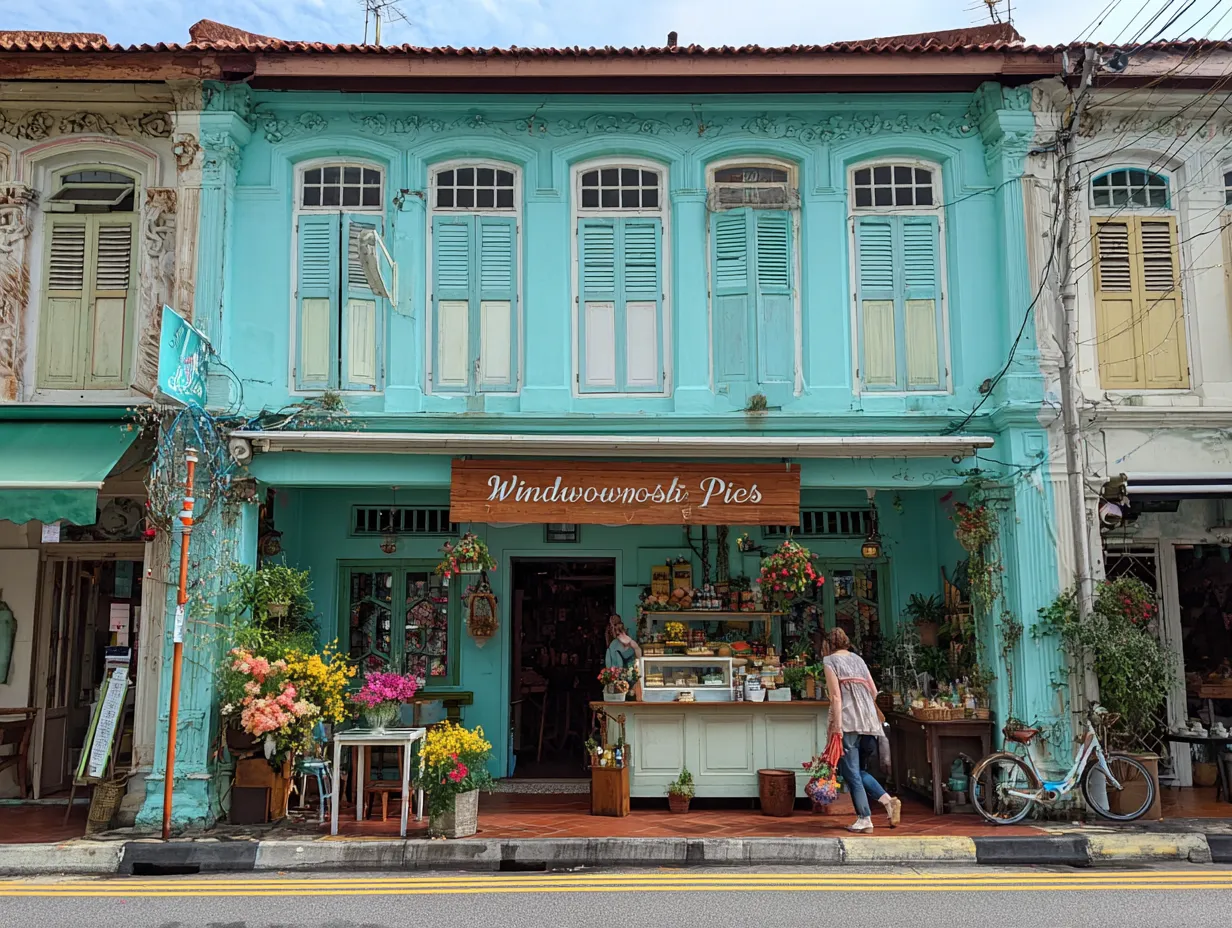
Heritage eats in Joo Chiat
Neighbourhood bakehouse in Joo Chiat known for hand pies, single-origin coffee and all-day brunch in a cosy shophouse se...