Heartland Malay market
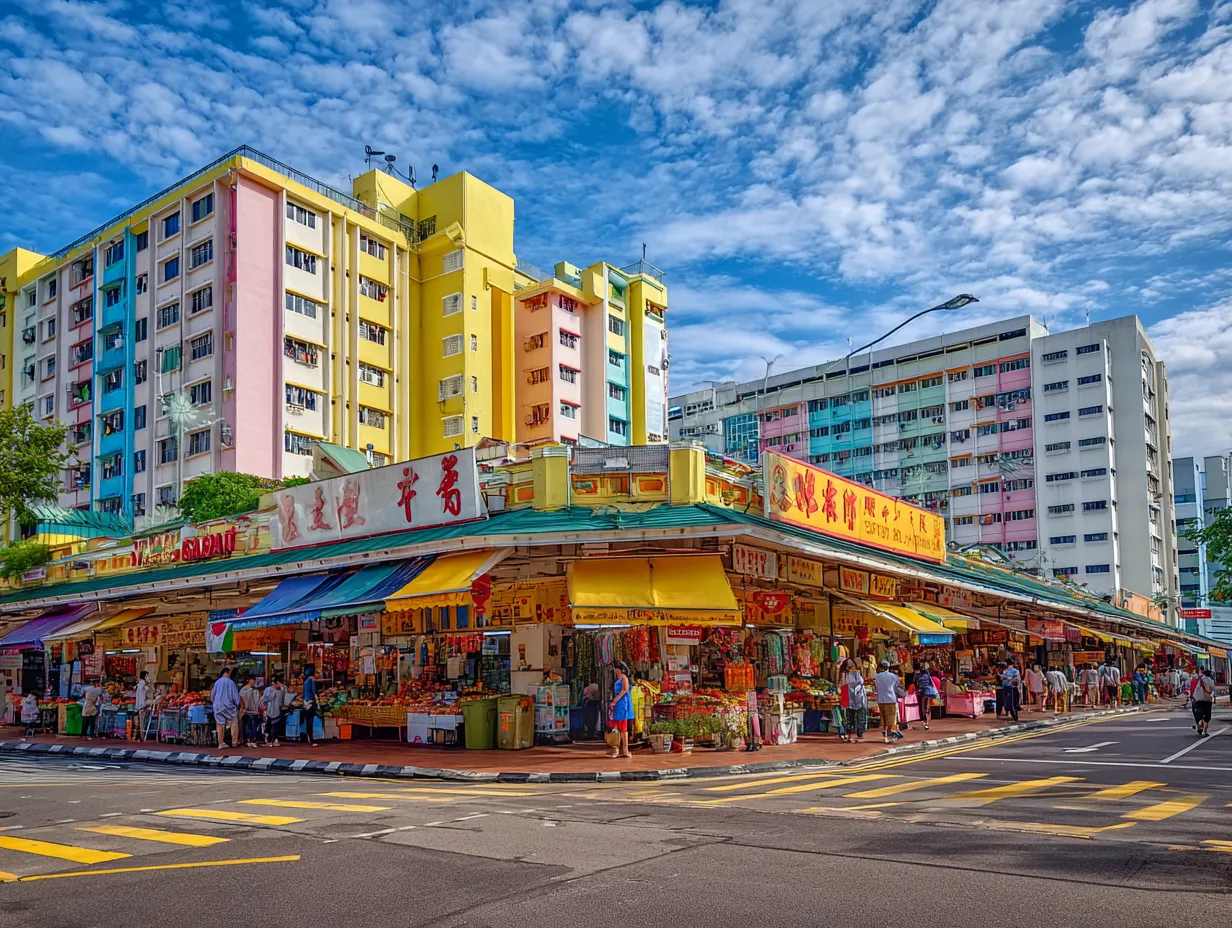
Geylang Serai Market
A bustling heartland hawker centre and wet market in Geylang Serai known for Malay favourites, nasi padang and a lively ...
A practical Singapore guide to halal makan in Paya Lebar and Geylang Serai — where to go, what to order and how to plan a local food trail.
This stretch feels like the best of both worlds: old-market recipes side-by-side with new halal dining concepts.
Come hungry, go curious — some of the best Malay flavours are in humble market stalls.
Paya Lebar and neighbouring Geylang Serai form one of Singapore’s most important Malay-Muslim enclaves — a compact area where traditional hawker trade, family-run kopitiams and modern mall food courts sit side-by-side.
For visitors and locals looking for halal makan, this stretch offers both classic, home-style dishes and contemporary halal options: think fragrant nasi lemak and murtabak in a market stall, then modern halal cafes and zi char in the same afternoon.
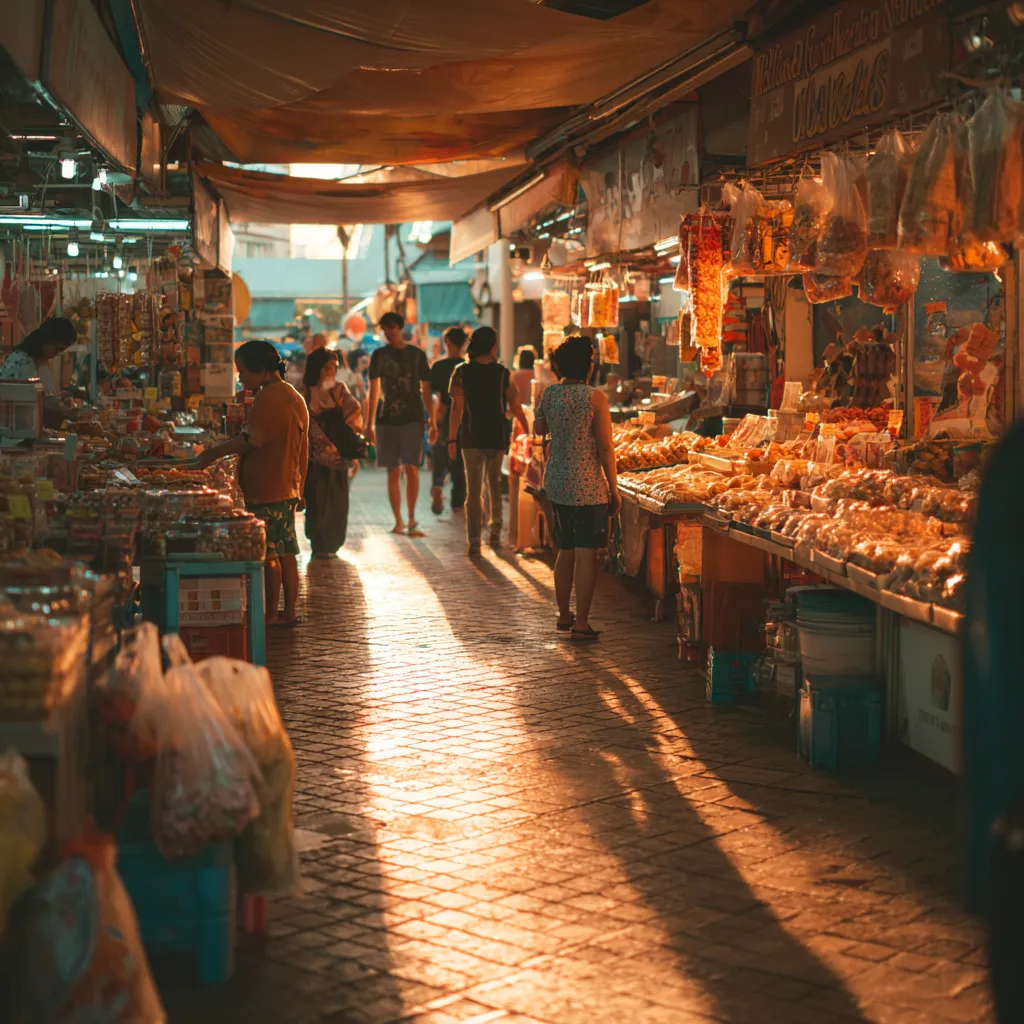
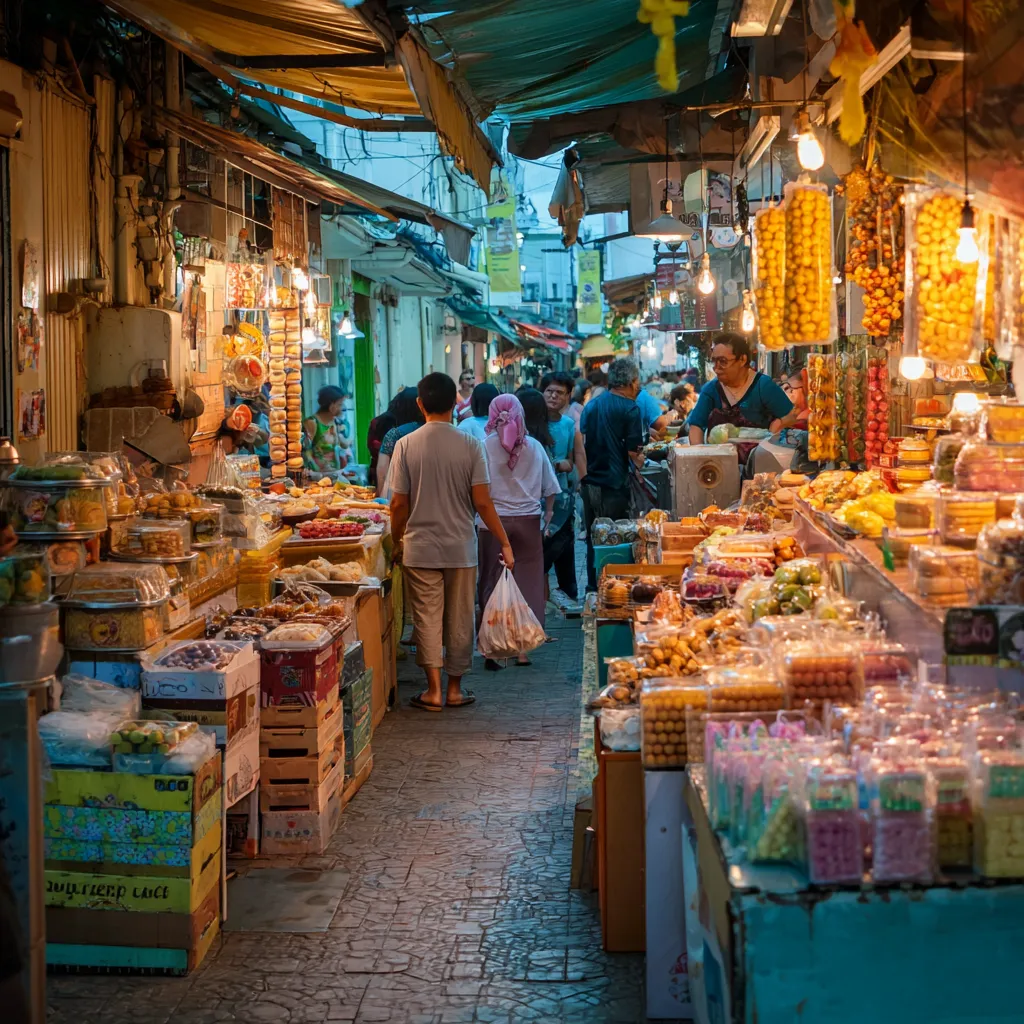
Start at Geylang Serai Market for an authentic hawker experience — a hub for Malay kuih, fish sambal, grilled otah and chempedak snacks. The market is busiest at breakfast and early evening, and it’s where many stallholders have served the same family recipes for decades.
Across the road and a short ride away, Paya Lebar Quarter (PLQ) brings a modern contrast: halal-certified food stalls, casual restaurants and air-conditioned seating, handy for families or rainy-day makan.
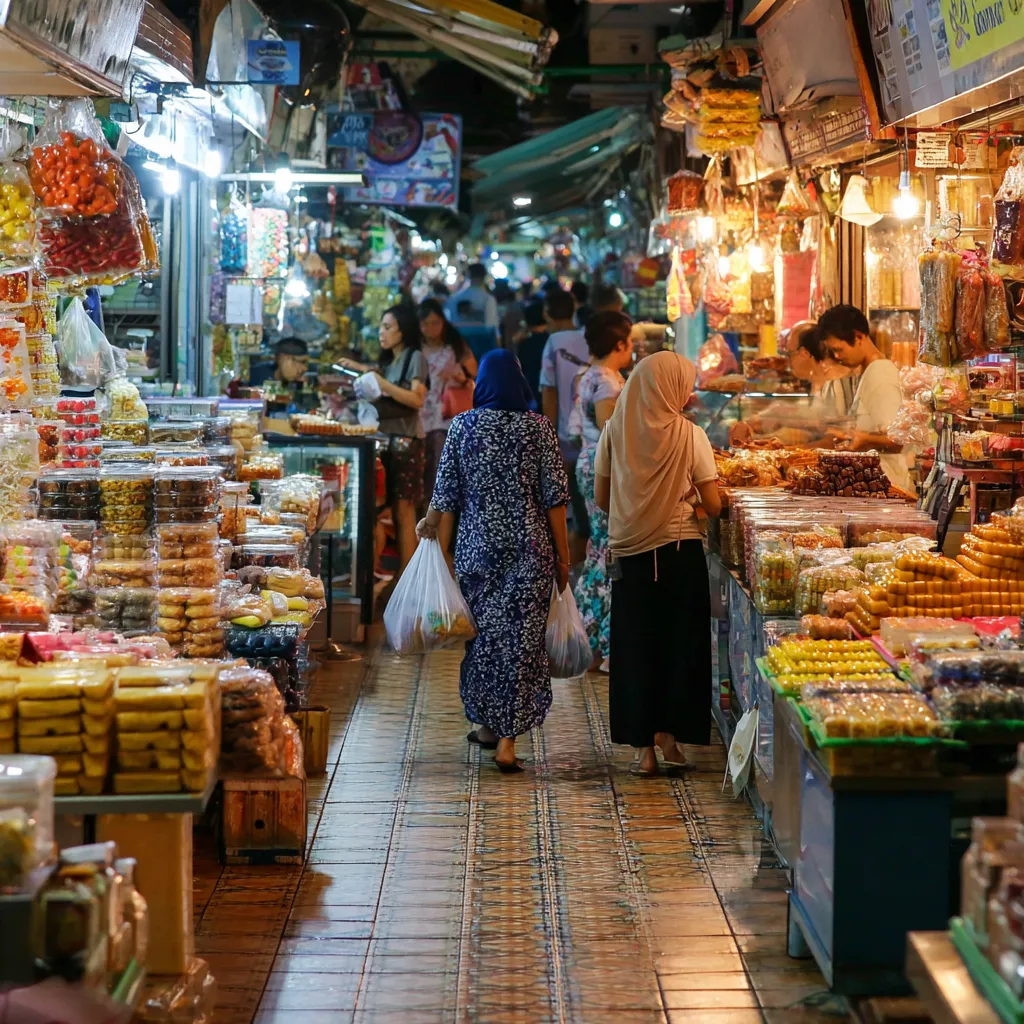
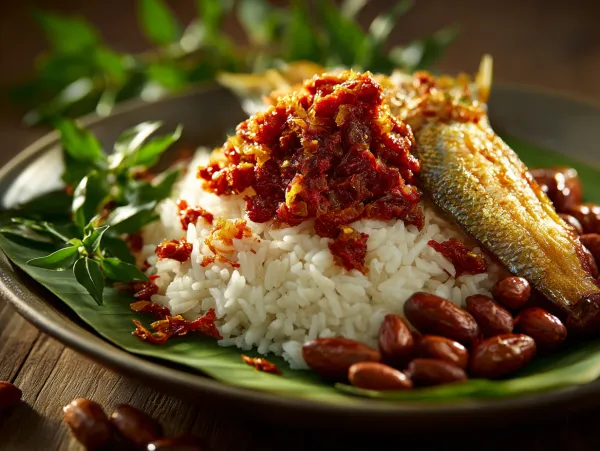
There are signature plates you should try: nasi lemak with spicy sambal and ikan bilis, flaky murtabak stuffed with minced meat, and skewered satay with rich peanut sauce. Many stalls do slight variations — ask for extra sambal if you like heat.
Street snacks are just as important: otah wrapped in banana leaf, fresh kuih lapis for dessert, and pandan-infused drinks for something cooling in Singapore’s humidity.
If you want to recreate flavours at home, our nasi lemak and murtabak recipes break down the steps so you can make sambal and flaky rotis in a local kitchen.
Ordering at hawker stalls is straightforward: queue, order at the stall counter, then take a seat in the shared dining area. Many popular stalls use paper slips or digital ordering systems at PLQ — follow the queue and watch the locals for cues.
Check for halal certification if that matters to you — look for MUIS halal stickers or ask the stall owner. It’s also polite to share tables during peak meal times and to clear your tray after eating.
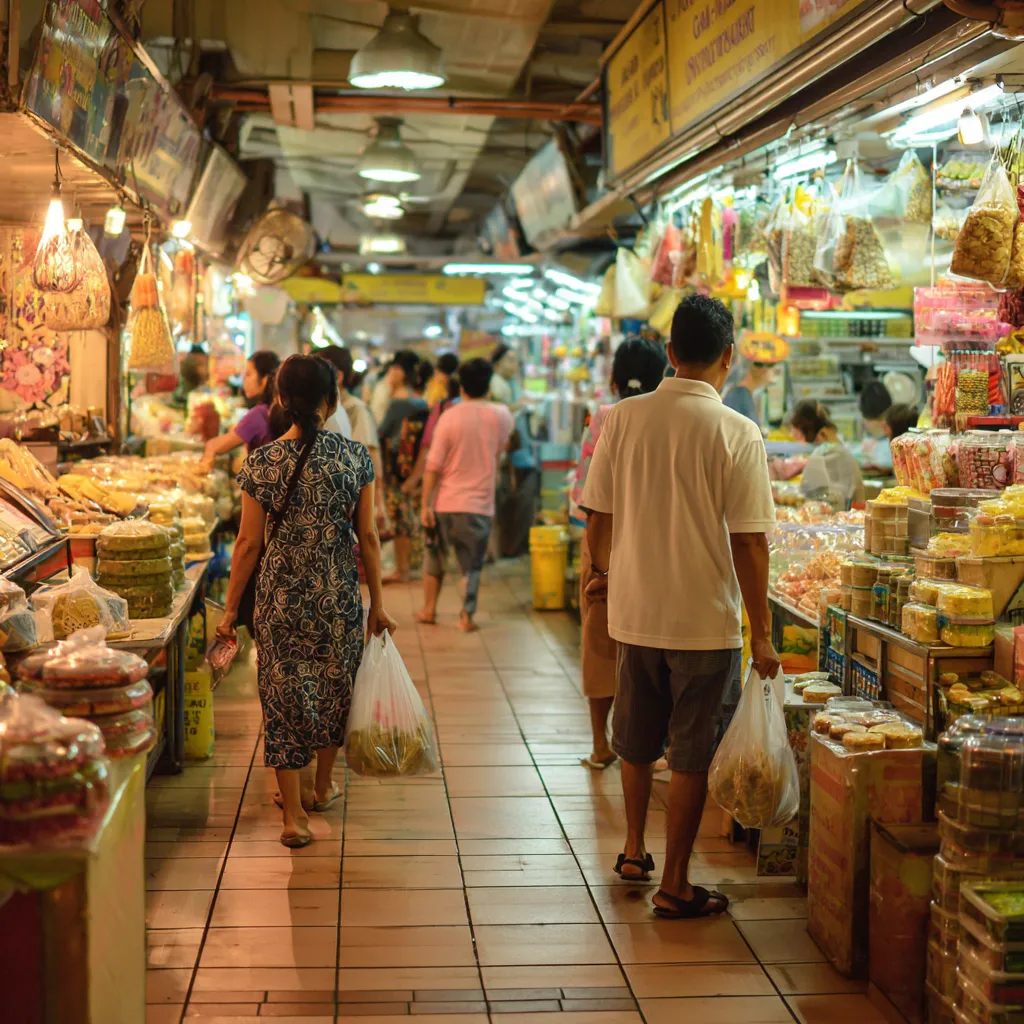
A handy half-day route: start with breakfast nasi lemak or roti prata at a Geylang Serai kopitiam, wander the market for kuih and snacks, then head to PLQ for a sit-down lunch or halal cafe coffee. Finish with sunset nasi goreng or satay at an outdoor stall.
Transport is easy — Paya Lebar and Geylang Serai are served by MRT (Paya Lebar Interchange) and regular buses. Wear comfortable shoes and keep a small umbrella for sudden showers.
Heartland Malay market
A bustling heartland hawker centre and wet market in Geylang Serai known for Malay favourites, nasi padang and a lively ...

Savory murtabak recipe
Singapore-style murtabak: a pan-fried stuffed flatbread filled with spiced mutton or chicken, onions and egg for a crisp...