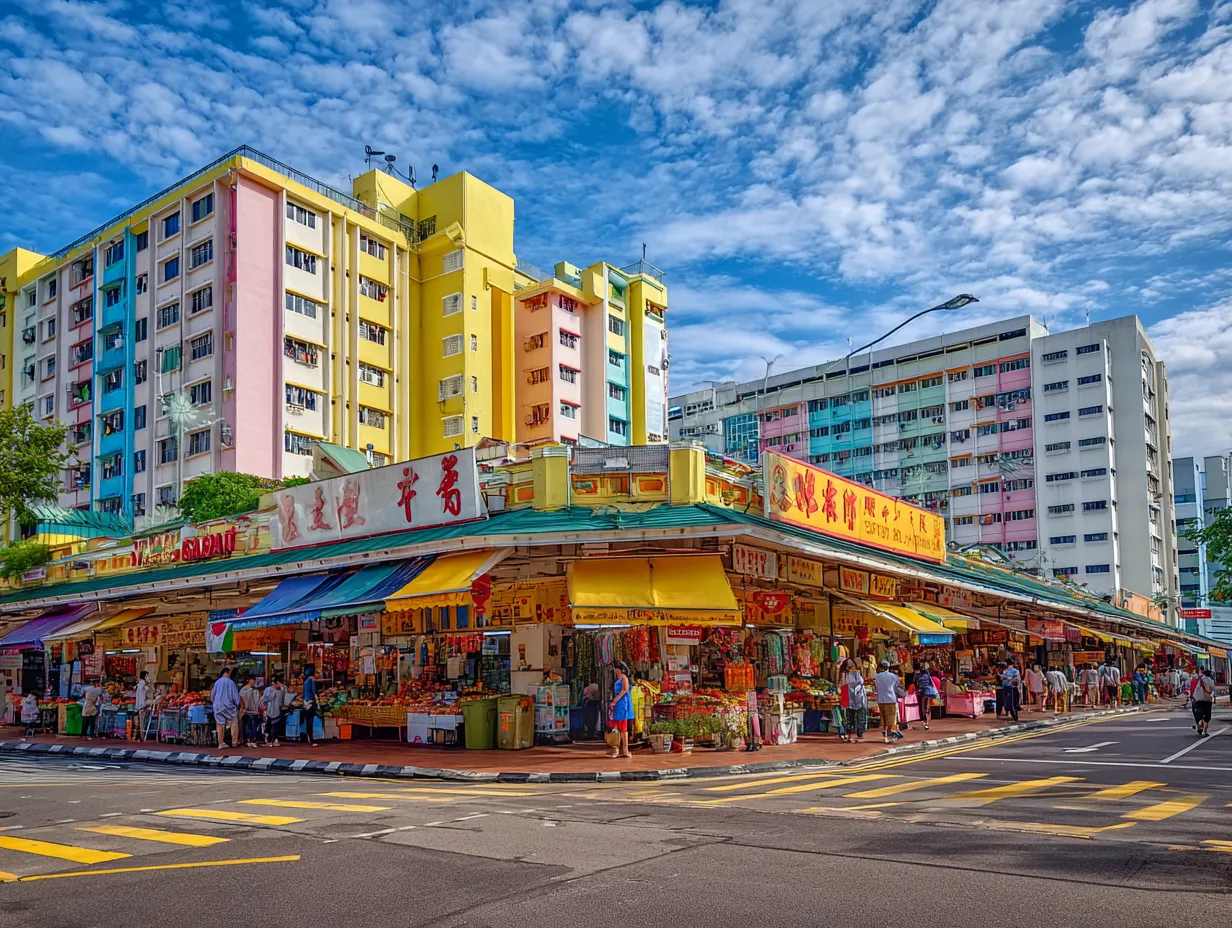
Malay food hub to explore
Geylang Serai Market
A bustling heartland hawker centre and wet market in Geylang Serai known for Malay favourites, nasi padang and a lively ...

A practical Singapore guide that explains the difference between halal-certified and Muslim-owned eateries, how to check status, and tips for planning a halal makan trail across hawker centres and neighbourhoods.
Halal-certified is about audited suppliers and kitchen processes; Muslim-owned is about who runs the business — both matter, but they’re not the same.
When in doubt at a hawker centre, ask the stall owner — the answer will often be quicker and kinder than you expect.
Halal-certified and Muslim-owned are often used interchangeably, but they mean different things — and that difference matters for diners in Singapore’s multicultural food scene. For Muslim diners, certification from the Islamic Religious Council of Singapore (MUIS) is the clearest guarantee that a kitchen, menu and supply chain meet recognised halal standards.
Singapore’s hawker centres, kopitiams and neighbourhood cafés (from Tiong Bahru to Katong and Geylang Serai) are full of choices. Knowing whether a place is certified — versus simply Muslim-owned or halal-friendly — helps when you need certainty about ingredients, slaughter sources, alcohol service and cross-contamination practices.
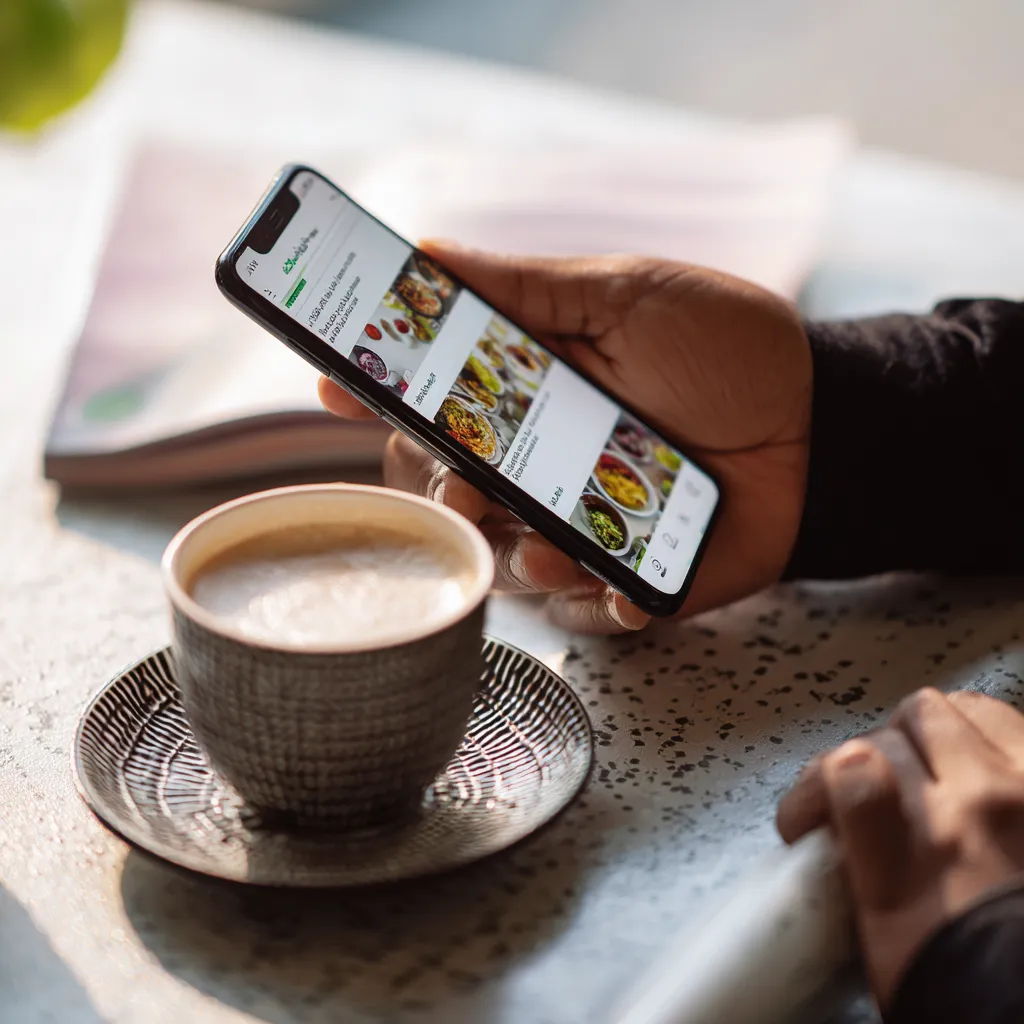
Checking a stall or restaurant’s halal status can be quick if you know what to look for: MUIS plaques and the halal logo on menus, packaging or storefronts are the most direct indicators. Many certified outlets also display QR codes linking to their certificate details.
For hawker stalls and newer cafés that might not display a certificate visibly, ask politely: staff are used to answering whether their meat is sourced from halal suppliers, if there is alcohol on the menu, and whether separate utensils are used.
Halal-friendly is a softer term used by some places that avoid pork but may still serve alcohol or source some ingredients from non-halal suppliers. That’s different from full certification where MUIS audits the entire operation.
Muslim-owned businesses may intentionally follow halal practices out of faith or customer base, yet choose not to pursue formal certification for cost, administrative or supply-chain reasons. Conversely, some non-Muslim-owned eateries obtain halal certification because their suppliers and kitchens meet the required standards.
Hawker centres across the island often mix certified and non-certified stalls. Centres like Geylang Serai have a large concentration of Malay-Muslim vendors, but you should still look for the MUIS plaque at individual stalls. In malls, certified restaurants tend to display certificates prominently and may appear on the mall’s halal directory.
When visiting with friends or family, be prepared to ask questions — stall owners are used to it — and respect local queuing and seating etiquette. During Ramadan evenings (buka puasa), expect busy crowds around popular halal stalls and pop-up bazaar nights at places like Geylang Serai.
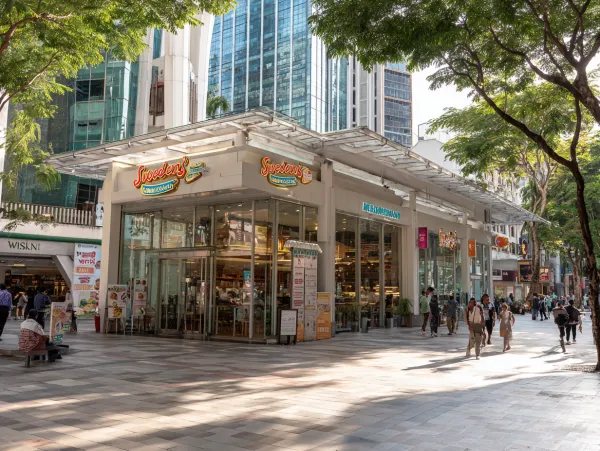
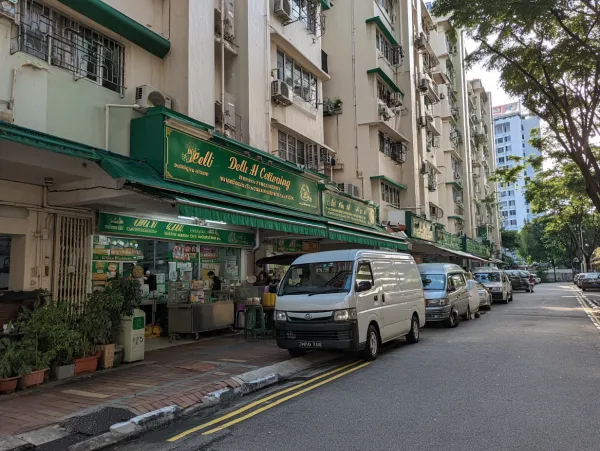
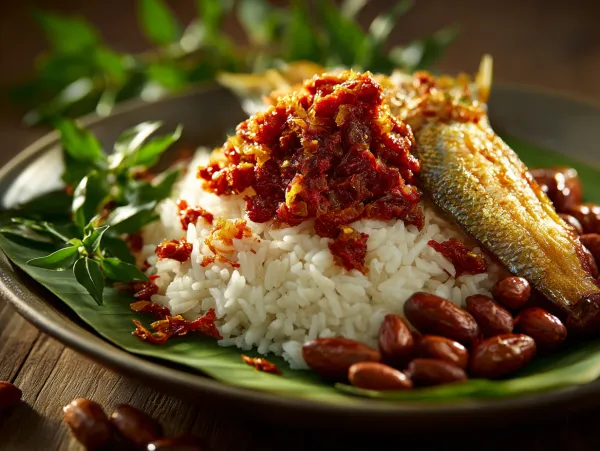
A simple half-day halal food trail could start at Geylang Serai for traditional Malay favourites, head to Katong for Peranakan-influenced halal options, and finish at a halal-certified café or western outlet in the CBD for dessert. Swensen’s (Halal Western) and halal caterers in the heartlands can be convenient choices for groups with varied tastes.
Time your visiting windows: weekday lunches are good for quieter queues, evenings are best for lively pasar malam-style experiences, and public holidays bring crowds to popular neighbourhoods. Use MUIS listings and the websites of halal-friendly malls to map out nearby prayer facilities, family-friendly seating and accessible toilets.