
Make classic kueh lapis at home
Classic Kueh Lapis (Thousand Layer Cake)
Classic Singapore-style Kueh Lapis (Thousand Layer Cake): a rich, buttery layered cake made by grilling thin layers of b...
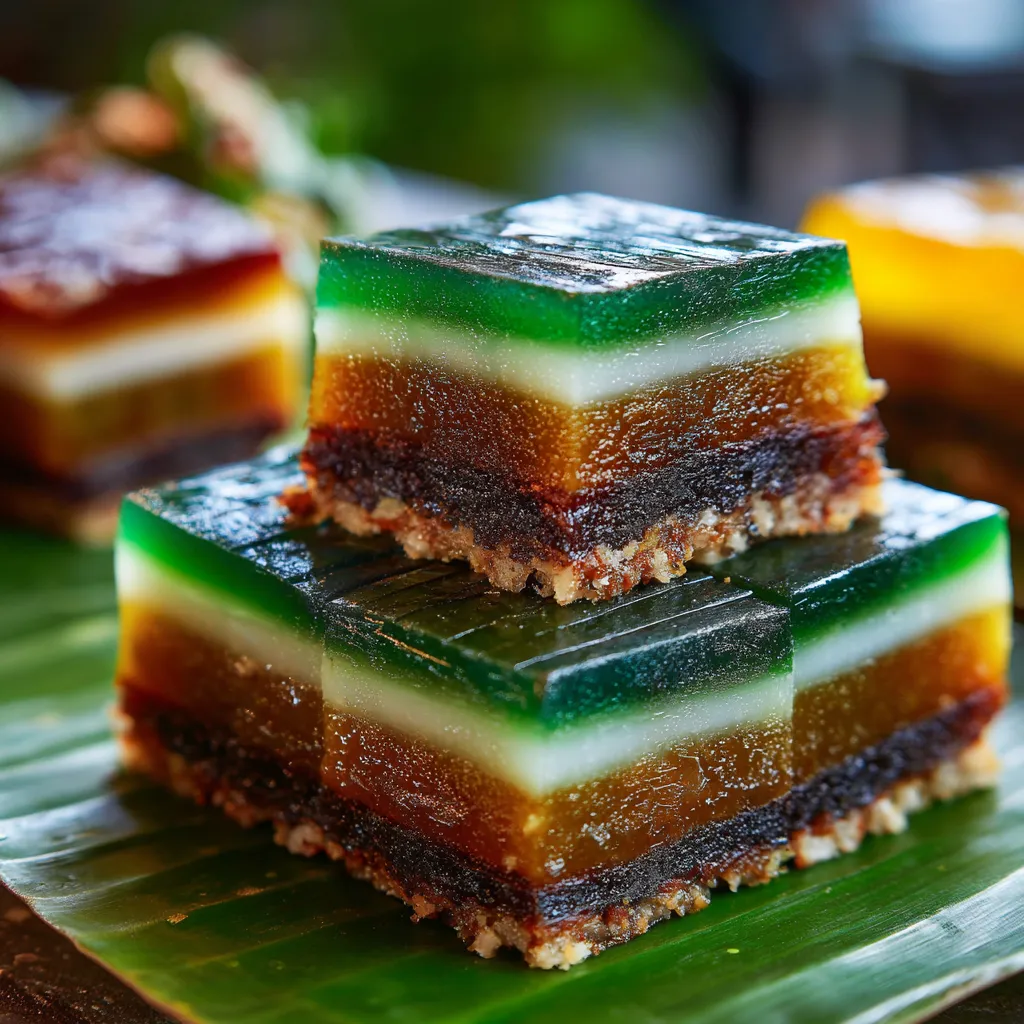
A concise, Singapore-focused guide to recognising, tasting and finding traditional Nyonya kueh across neighbourhoods from Katong to Tiong Bahru.
Kueh are the Peranakan pantry — bright, humble and full of memory.
Eat them warm, share them at kopitiam tables and ask the stall auntie about the recipe — stories are half the flavour.
Nyonya kueh are more than sweets: they’re edible history. Rooted in Peranakan (Straits Chinese) culture, these colourful cakes and parcels reflect a blend of Chinese techniques and Malay ingredients — pandan, coconut, and gula Melaka — that became central to Singapore’s food story.
You’ll find them at kopitiams, specialist shops and hawker stalls from Katong and Joo Chiat to Tiong Bahru and Geylang Serai Market; each neighbourhood retains its own take, whether it’s the finesse of a shop-bought kueh lapis or the homely texture of a stall-made kuih.
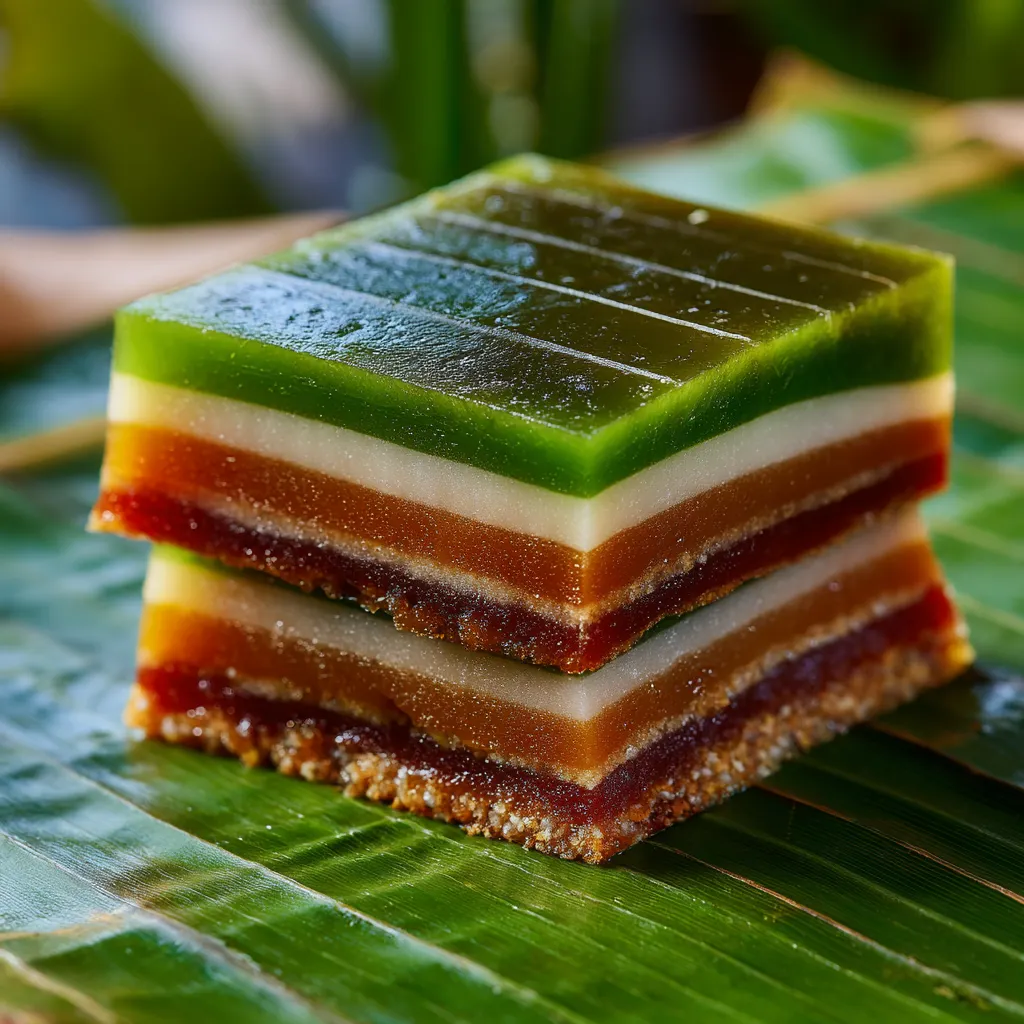
A short primer helps when you’re at a stall: kueh lapis (thousand-layer cake) is dense and buttery, sliced into thin rainbow layers; ang ku kueh is a sticky, moulded rice cake with sweet mung bean or peanut paste; ondeh-ondeh are chewy pandan balls filled with liquid gula Melaka and rolled in grated coconut.
Other classics to look for include kueh salat (rice base with kaya-like custard), kueh dadar (pandan pancake roll with coconut palm-sugar filling) and kuih kosui (soft, slightly chewy steamed cake with coconut on top). Taste textures as much as flavours — chewy, sticky, layered and creamy are all part of the Nyonya kueh palette.
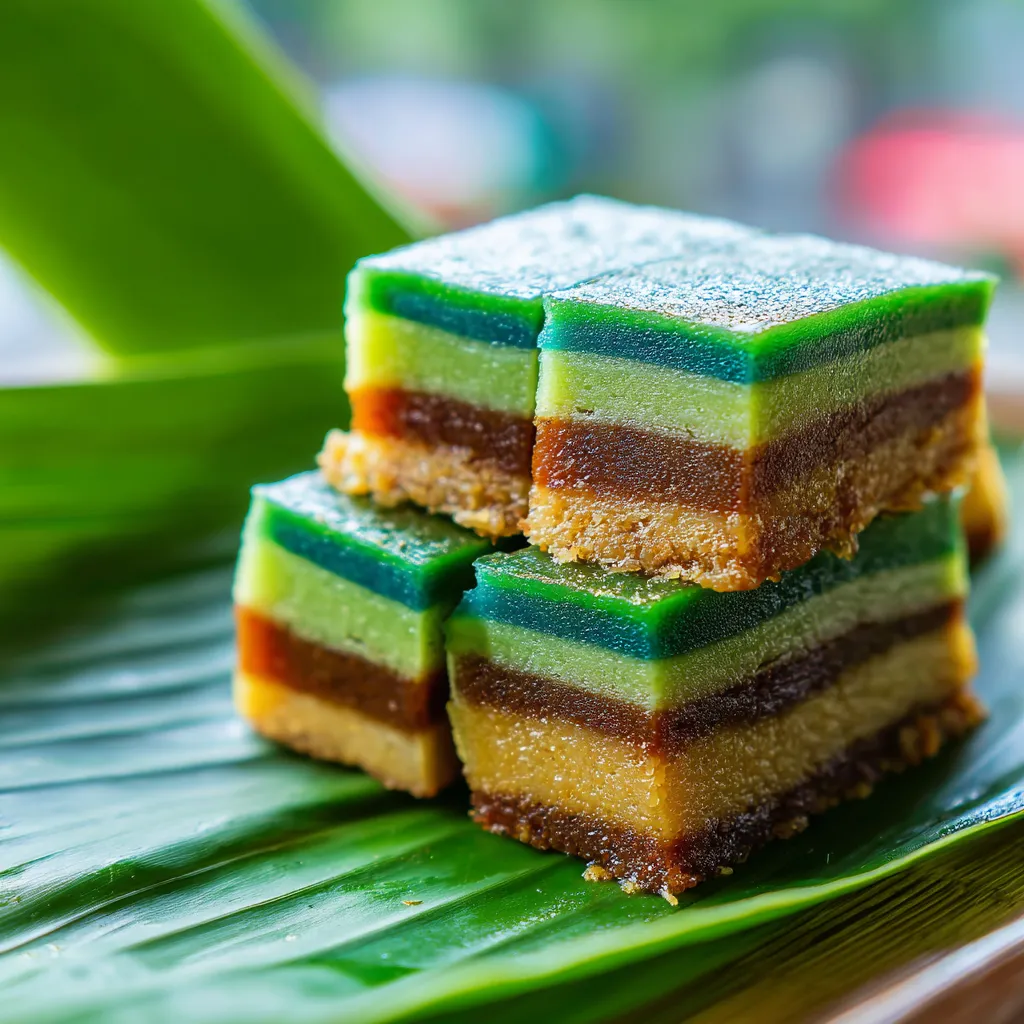
For heritage flavours, head east to Katong and Joo Chiat where Peranakan homes and old bakeries still bake traditional kueh; nearby Geylang Serai Market is also a reliable place for seasonal and everyday Nyonya sweets.
For bakery-made lapis and gift boxes, long-standing shops are easy to find in malls and shopping streets. Don’t overlook hawker centres and kopitiams — you’ll often find family-run stalls whose recipes have been perfected over decades. Try combining a kueh run with a kopi break at a nearby kopitiam for a proper local experience.
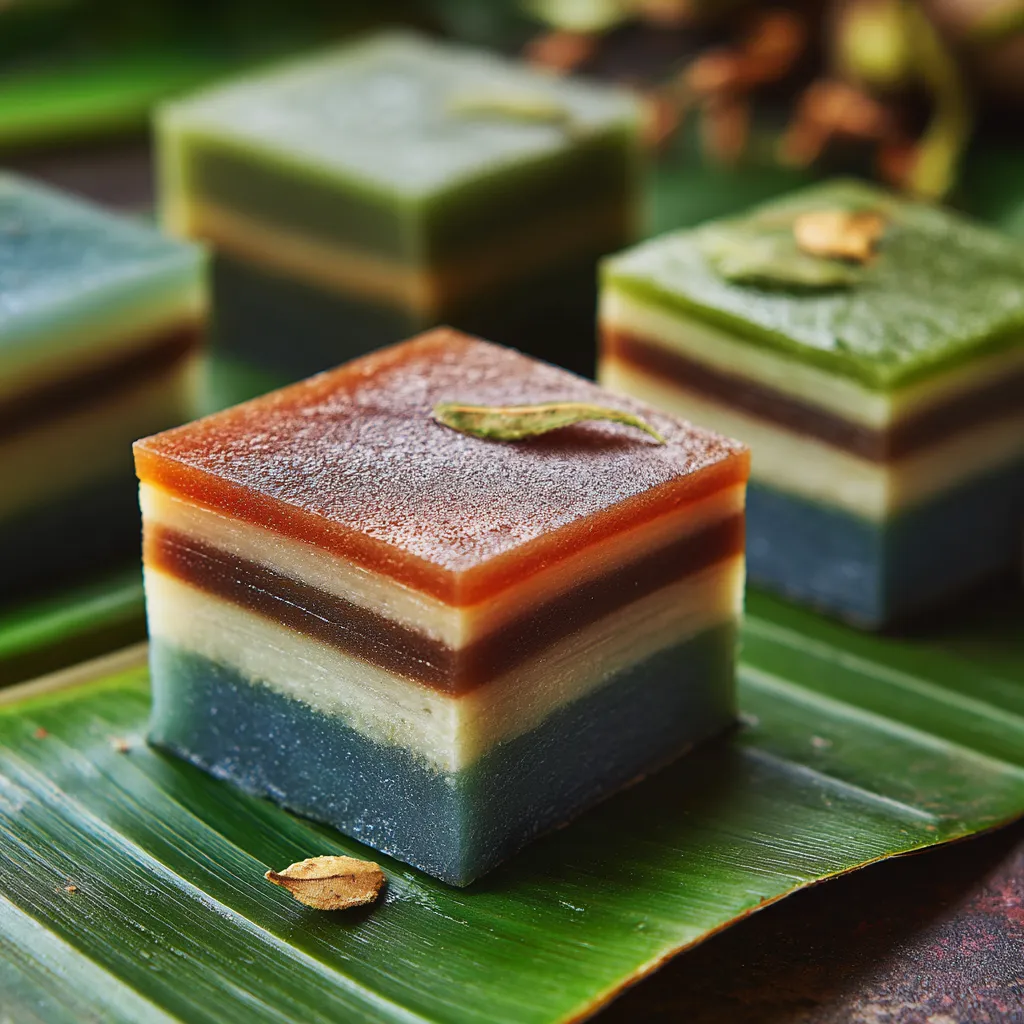
Buy small portions if you’re trying several varieties — textures can be very different and freshness is everything. Many kueh are best eaten the same day; steamed items will lose their bounce after refrigeration, while baked lapis keeps longer if wrapped well.
When tasting, start with subtler items (kueh salat, ang ku kueh) before moving to sweeter kaya-like or gula Melaka-forward kueh. Ask the stall owner for recommendations — many vendors will happily suggest their best-sellers or point out which kueh were made that morning.
If you’re inspired, start with simpler kueh recipes like ondeh-ondeh or ang ku kueh before attempting layered lapis, which requires patience and a steady hand for the thin layers.
Local recipes and pandan-packing tips make the process approachable — cooking at home is also a great way to learn about ingredient substitutions (brown sugar for gula Melaka, or fresh pandan versus extract) and to adapt sweetness to your taste.
Make classic kueh lapis at home
Classic Singapore-style Kueh Lapis (Thousand Layer Cake): a rich, buttery layered cake made by grilling thin layers of b...
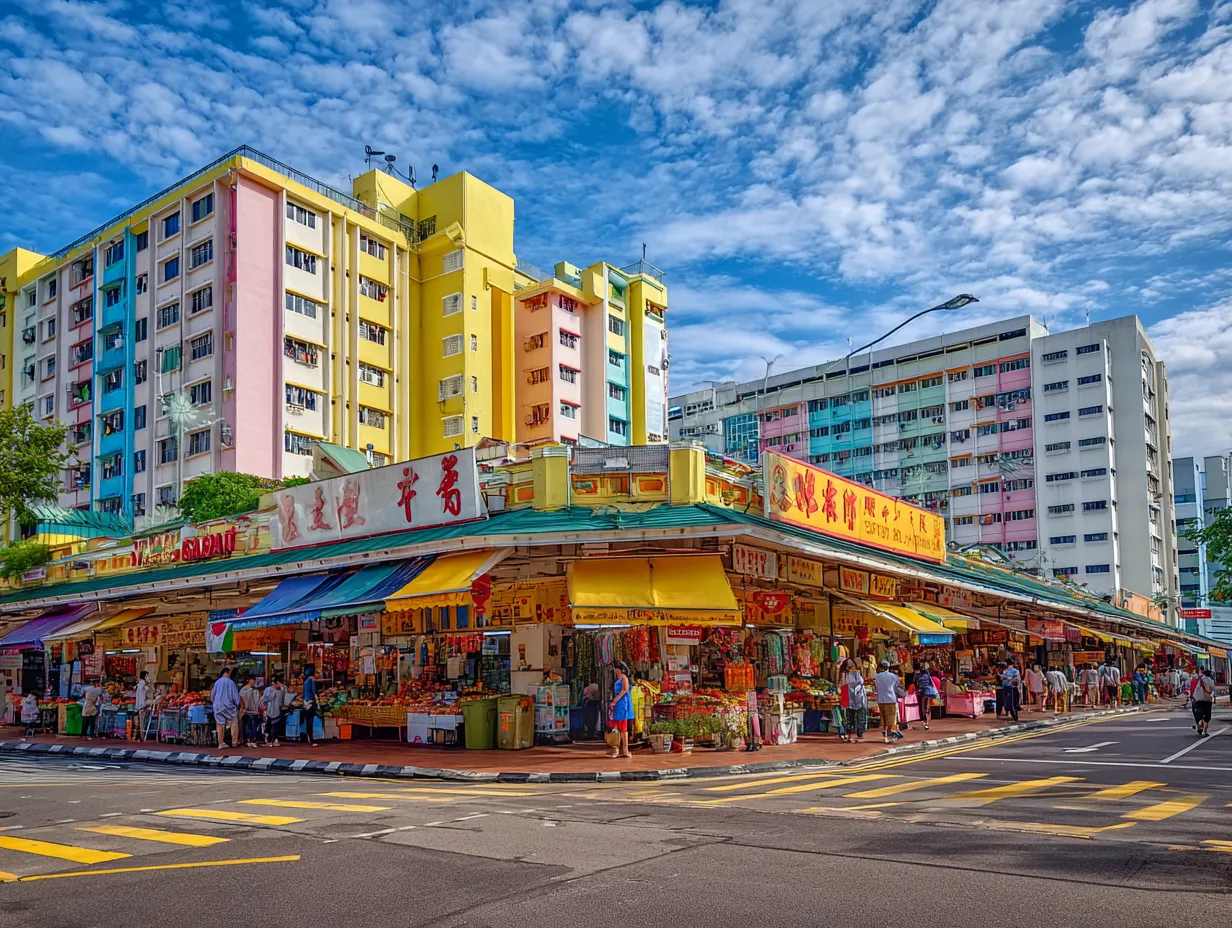
Visit Geylang Serai for stalls
A bustling heartland hawker centre and wet market in Geylang Serai known for Malay favourites, nasi padang and a lively ...

