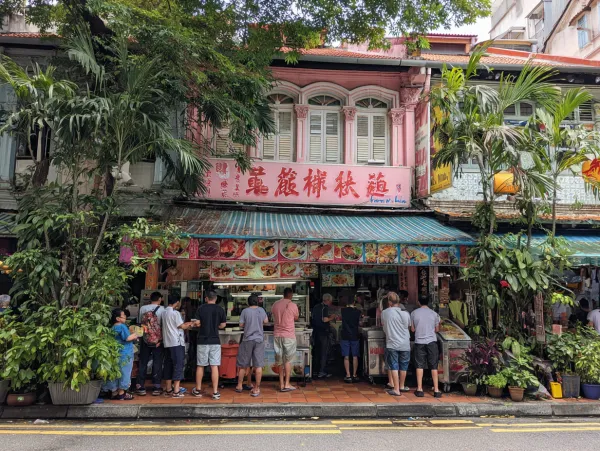

Local kopitiam vibes in Tiong Bahru
Tiong Bahru Hawker
A bustling neighbourhood hawker centre in Tiong Bahru known for classic Singapore street food and kopitiam-style breakfa...
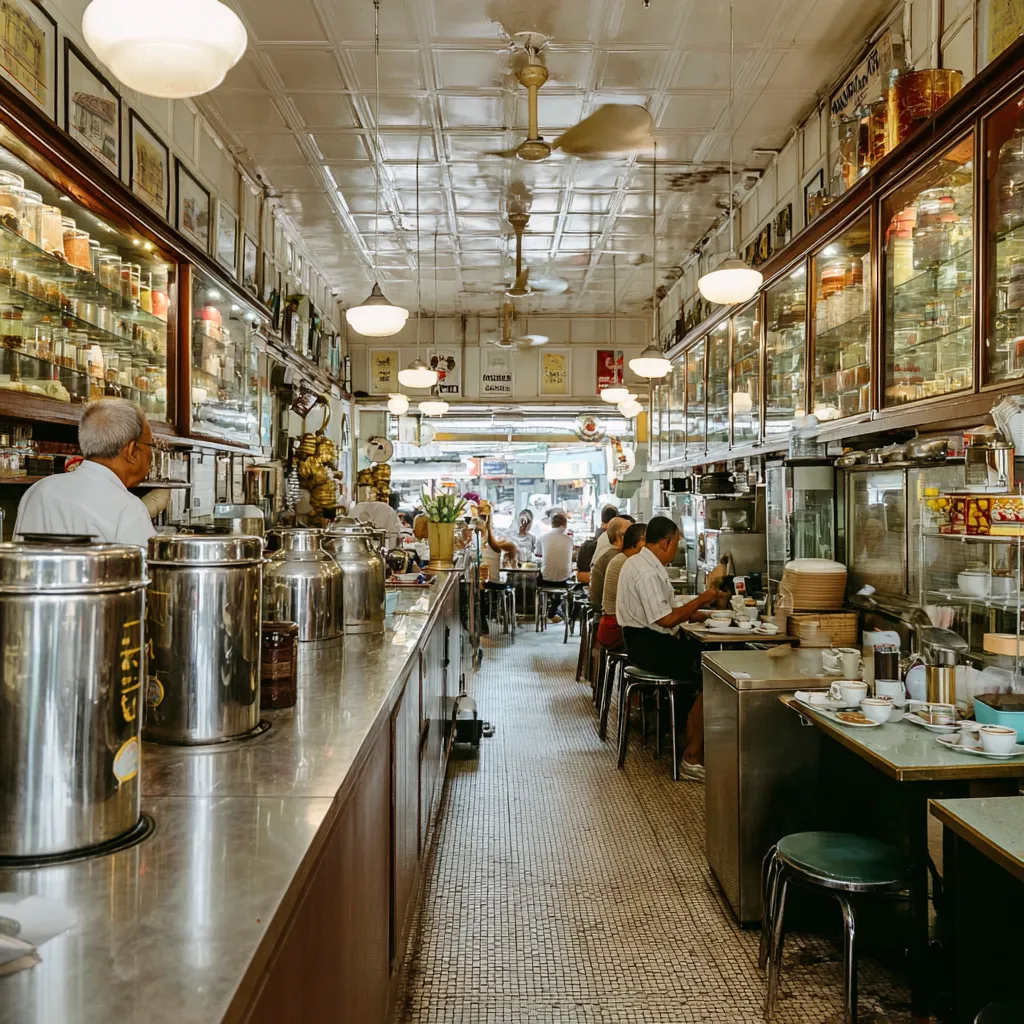
A practical Singapore guide to ordering kopi and teh with the local lingo, etiquette and neighbourhood spots for an authentic kopitiam experience.
Order kopi like a local: short, clear and with the right lingo — you’ll get the coffee you actually want.
A kopi and kaya toast in the heartlands beats any curated café latte for local authenticity.
Walk into any kopitiam, office pantry or hawker centre in Singapore and the air is punctuated by the clink of cups, the hiss of kettles and the low hum of conversation over kopi and teh. These drinks are more than caffeine — they're social glue for the CBD lunch crowd, heartland uncles catching up, and students cramming for exams.
Knowing how to order is a small act that opens up local rhythms: the quick kopi at a coffee shop counter, the leisurely kopi-o with kaya toast, or a kopi-peng to beat the afternoon heat. This guide gives you the lingo and etiquette so you can order like a regular, whether you're in Tiong Bahru, Katong, or a neighbourhood hawker centre.
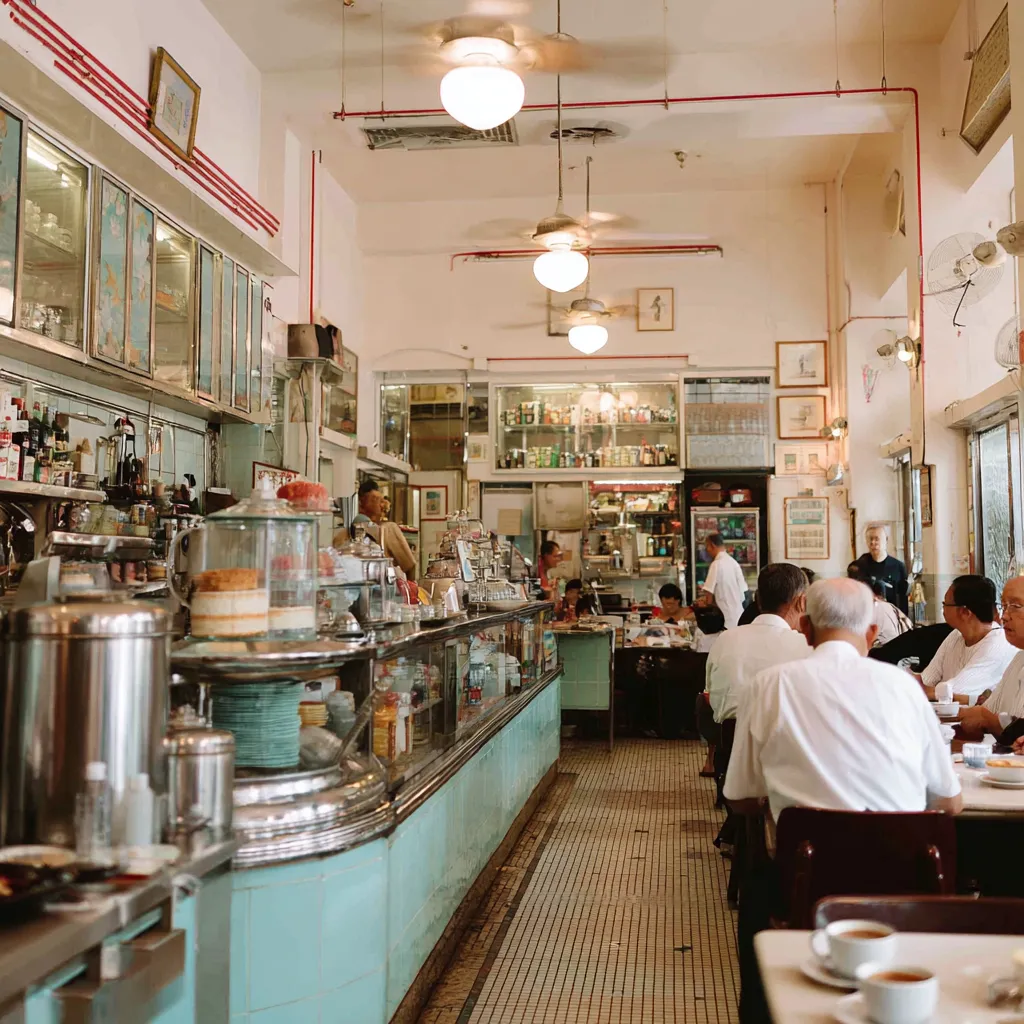
Kopitiam language is concise — often a mix of Hokkien, Malay and Singlish shorthand. Here are the terms you'll hear every morning and what to say when you order.
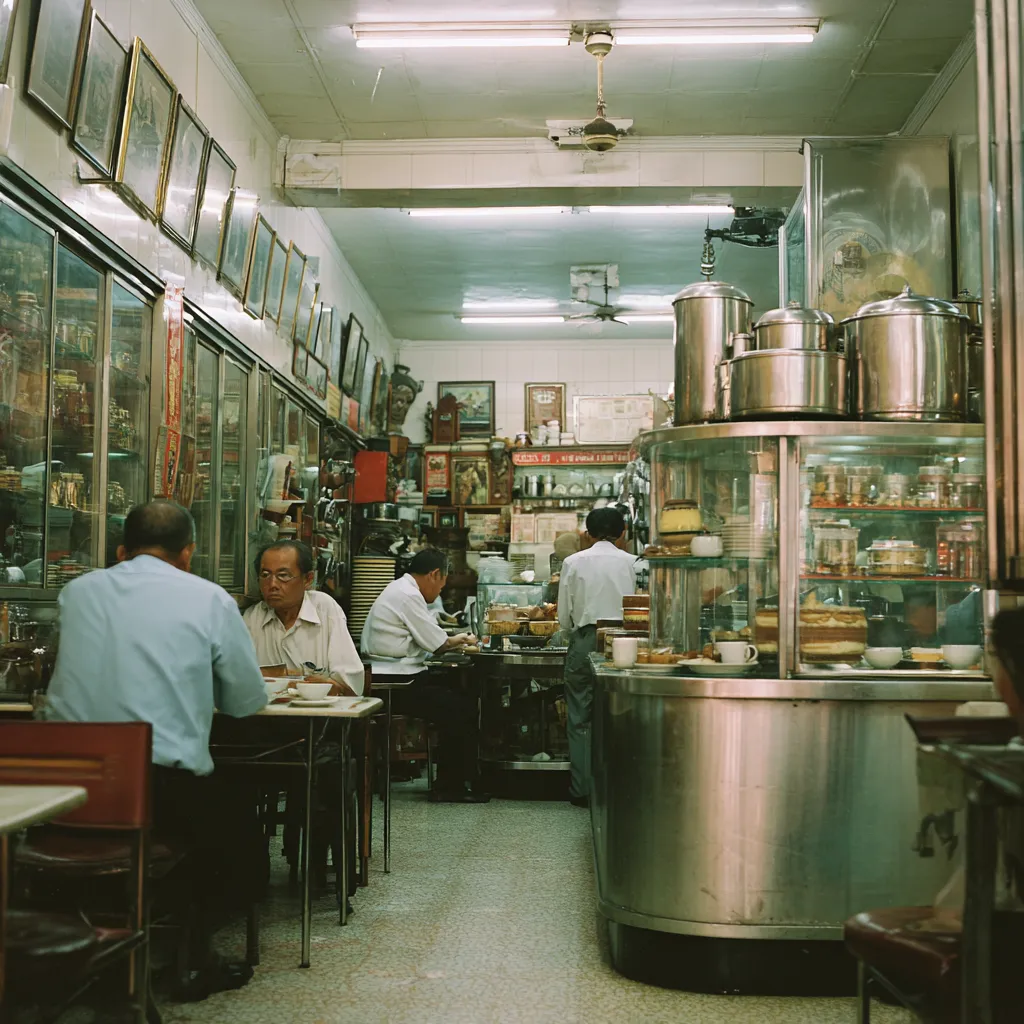
Ordering is fast and efficient: call out your drink and any modifiers. If you want it hot, you can usually omit 'peng' — otherwise say 'kopi-peng' or 'teh-peng' for iced. For less sugar, add 'siew dai'. To skip milk, say 'kosong' (e.g., 'kopi-o kosong' for black, no sugar).
Pay attention to cups: porcelain mugs and saucers are typical for dine-in; takeaway will be in plastic or paper cups. If you need it to-go, say 'tapao' or 'for takeaway'.
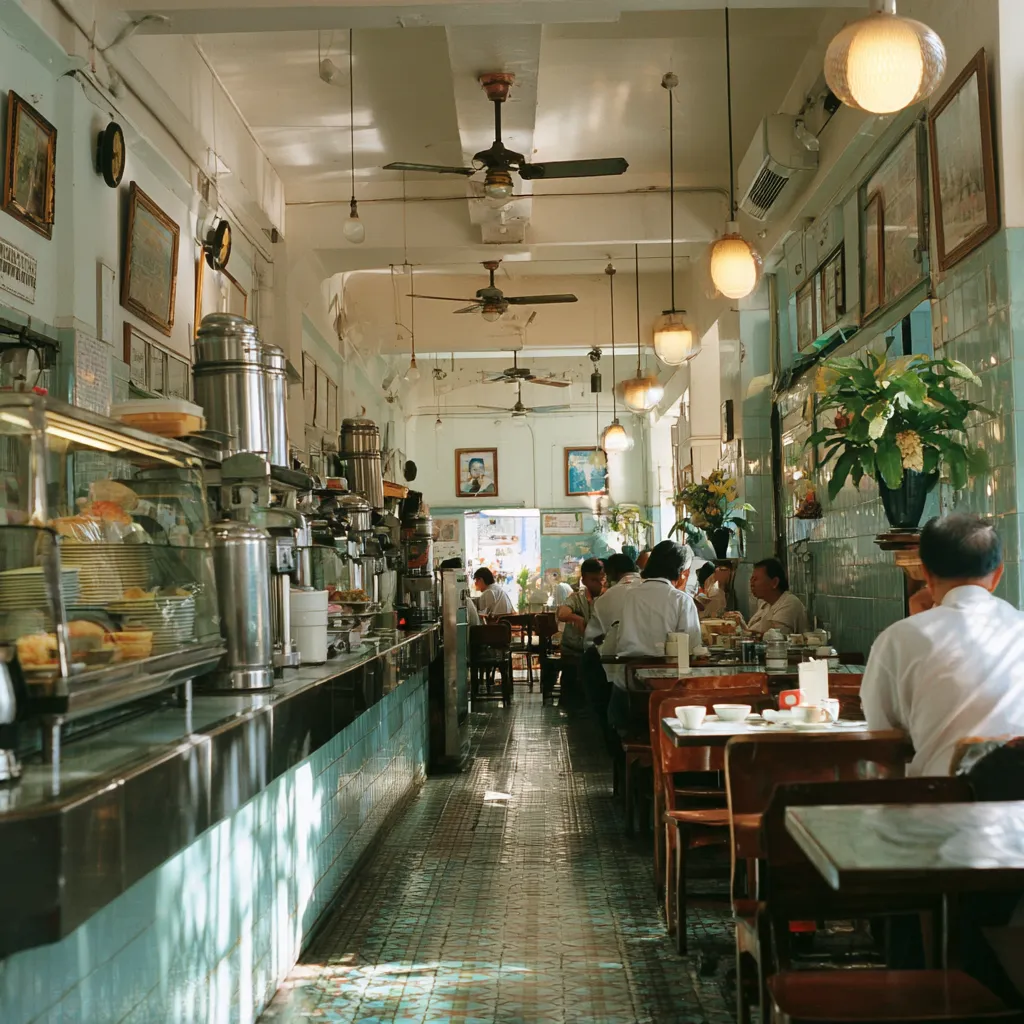
Some neighbourhoods are kopitiam strongholds where the lingo is part of daily life. Tiong Bahru, with its low-rise kopitiams and morning crowds, is great for classic Hainanese-style coffee. Changi Village offers a relaxed seaside kopitiam scene where locals linger over teh tarik and kaya toast. Newton Food Centre and other hawker centres — packed during breakfast and supper — are ideal for quick practice and people-watching.
Pair your drink with simple hawker bites: kaya toast and soft-boiled eggs, curry puffs, or a plate of char kway teow. Ordering a kopi-o alongside kaya toast is a classic local combo and a safe place to start.

A few local habits go a long way. Always collect your tray and return it after the meal if the kopitiam has a shared return area. Don’t snap photos in the face of busy stall workers — ask politely. When a stall is busy, be ready to accept what’s on offer rather than insist on customisations that slow the line.
Finally, learn a couple of phrases and the basic modifiers (siew dai, kosong, peng) — staff will appreciate the effort and you’ll avoid awkward sugar levels or the wrong milk.