Traditional market fruit stalls
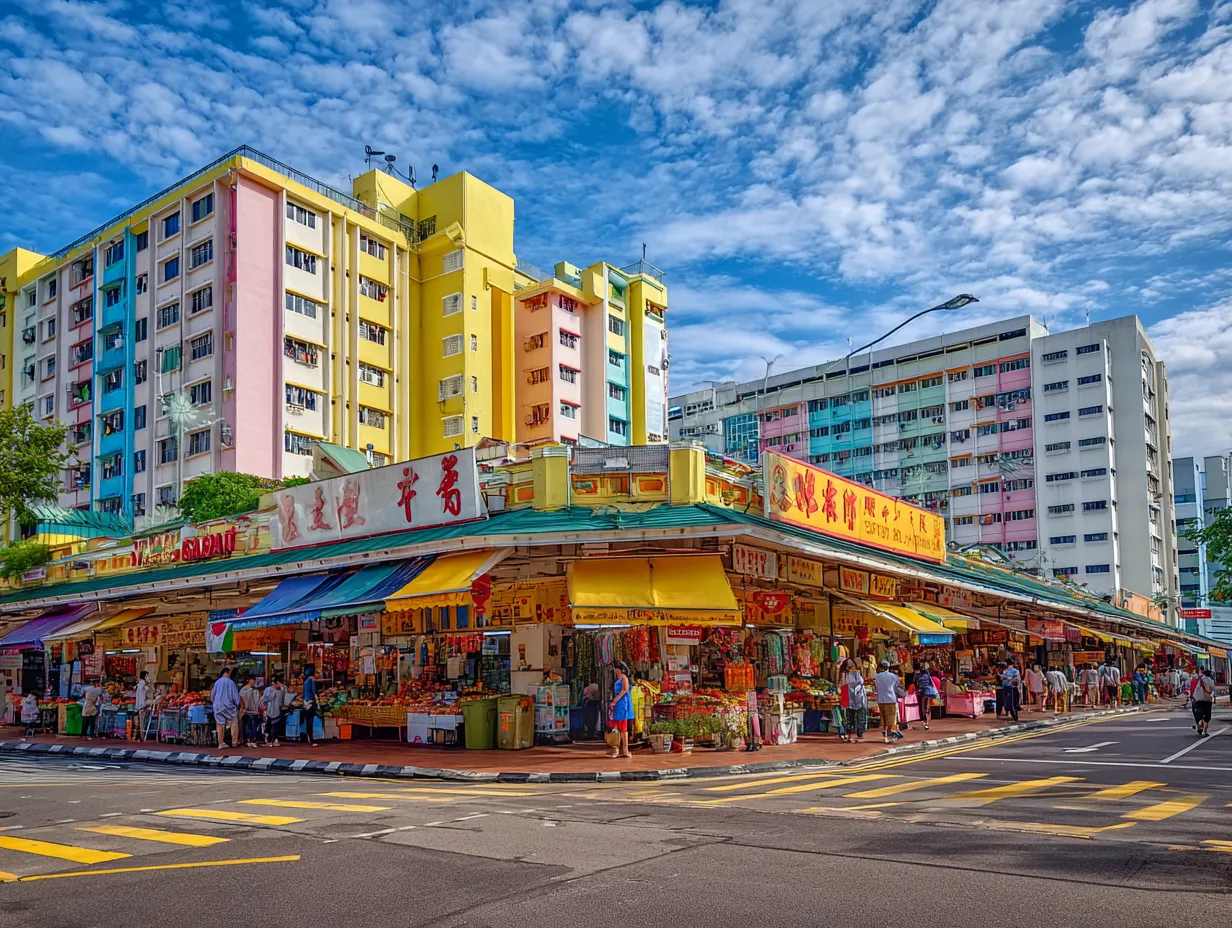
Geylang Serai Market
A bustling heartland hawker centre and wet market in Geylang Serai known for Malay favourites, nasi padang and a lively ...
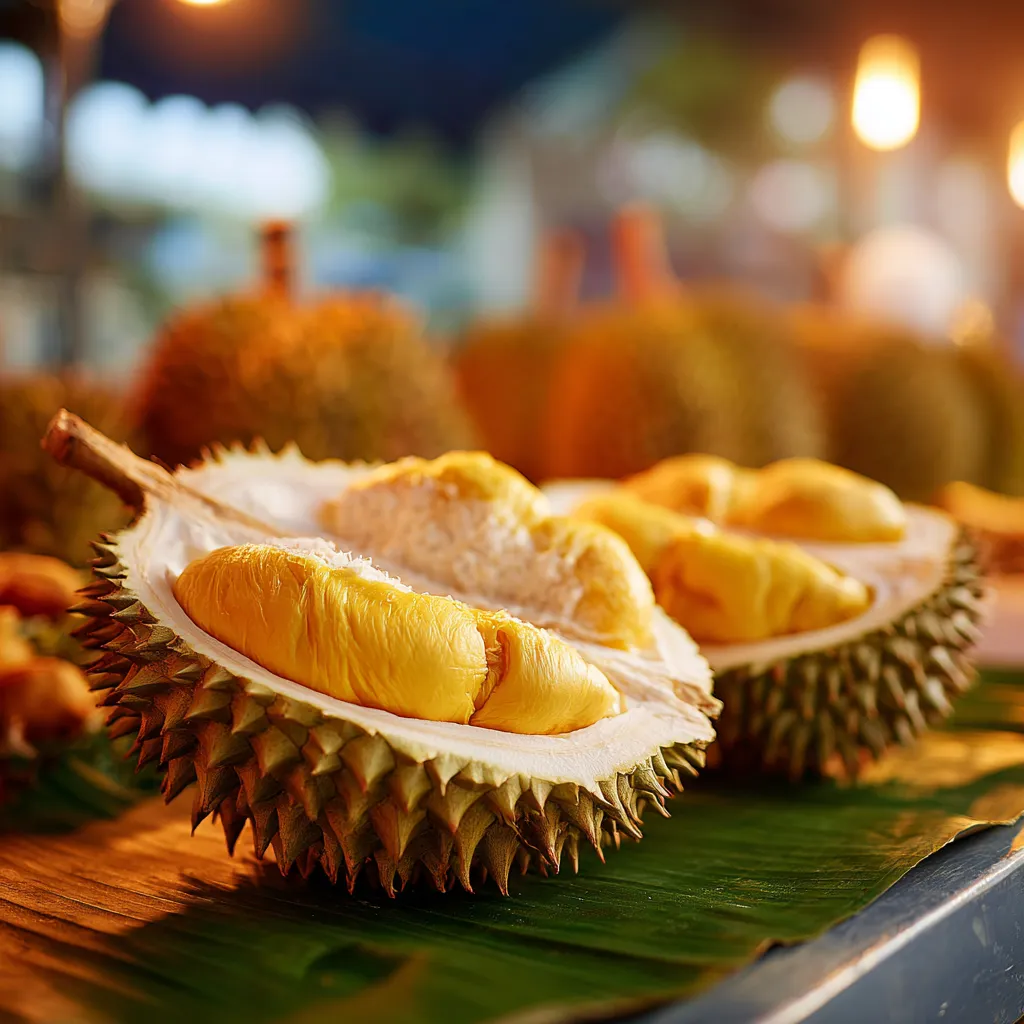
A compact beginner’s guide to Singapore durian varieties — learn how Musang King, D24, XO and others taste, where to buy them in the heartlands, and tips for first-time durian eaters.
Start with a single pod — durian is an experience, not a marathon.
Musang King gets the headlines, but D24 and Red Prawn make forgiving first-timers into repeat customers.
Durian is not just fruit in Singapore — it’s a seasonal obsession. From family gatherings to midnight makan sessions outside kopitiams and roadside durian stalls, the king of fruits is woven into how many locals socialise during the season.
If you’re new to durian, think of tasting it like trying an intense cheese: texture, aroma and finish vary hugely by variety. Expect a mix of creamy, bitter, sweet, alcoholic and even savoury notes depending on what you pick.
Practical must-knows: durian is banned on public transport in Singapore (no MRT or public buses), so plan to eat at the stall, in a private car, or at a kopitiam table. Come with an open mind, and start small — one segment is enough for a first try.
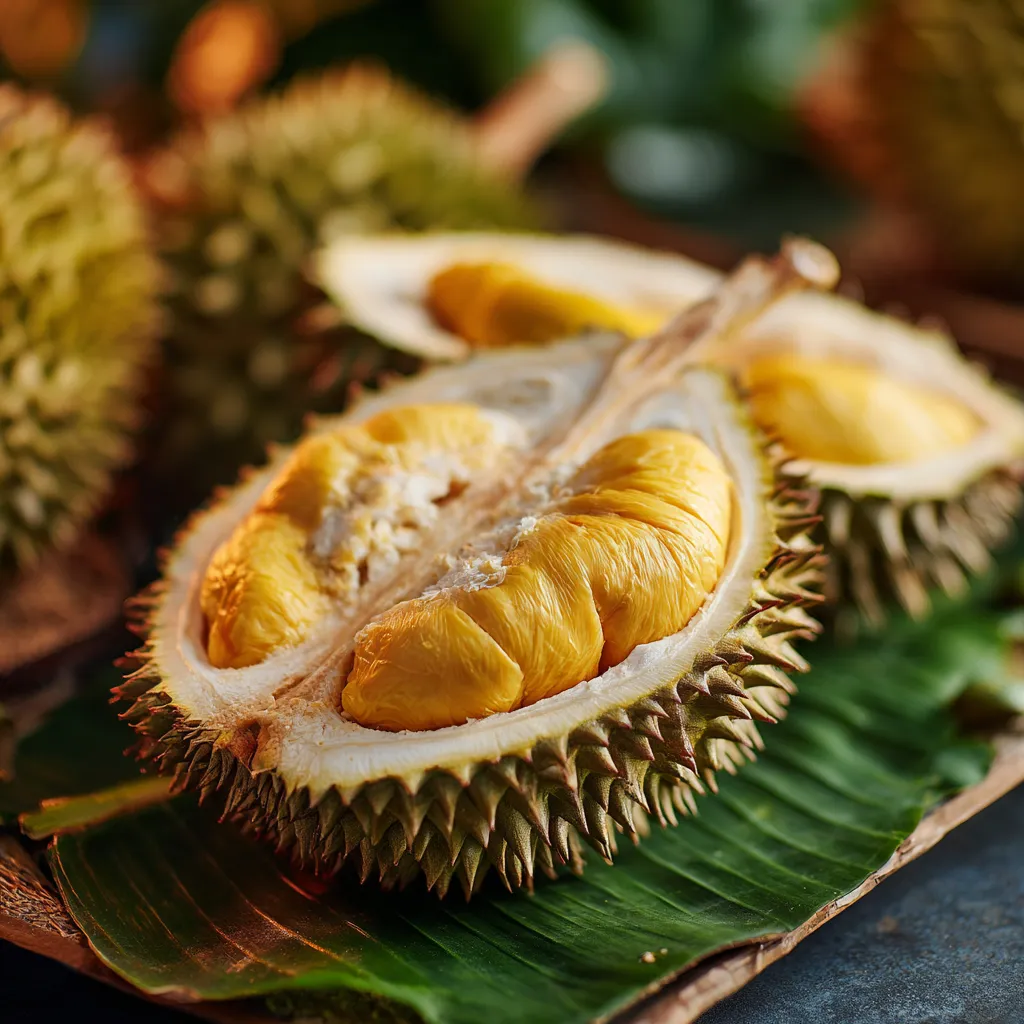
Musang King (also called Mao Shan Wang): the current darling of the market — deep golden flesh, dense and creamy with a bittersweet, slightly alcoholic finish. It commands premium prices and is an instant grab for many durian enthusiasts in Orchard and heartland stalls alike.
D24 (Sultan): one of the classic Malaysian varieties popular in Singapore for decades; it’s less fatty than Musang King, with a cleaner, slightly bitter-sweet finish — a good entry-level option.
XO: pronounced, slightly alcoholic and bitter — XO is for people who like complex, winey notes. Red Prawn (Ang Heh/Ang Hae), Black Thorn and Monthong (a Thai import) are other varieties you'll spot; each has distinctive texture and sweetness levels.
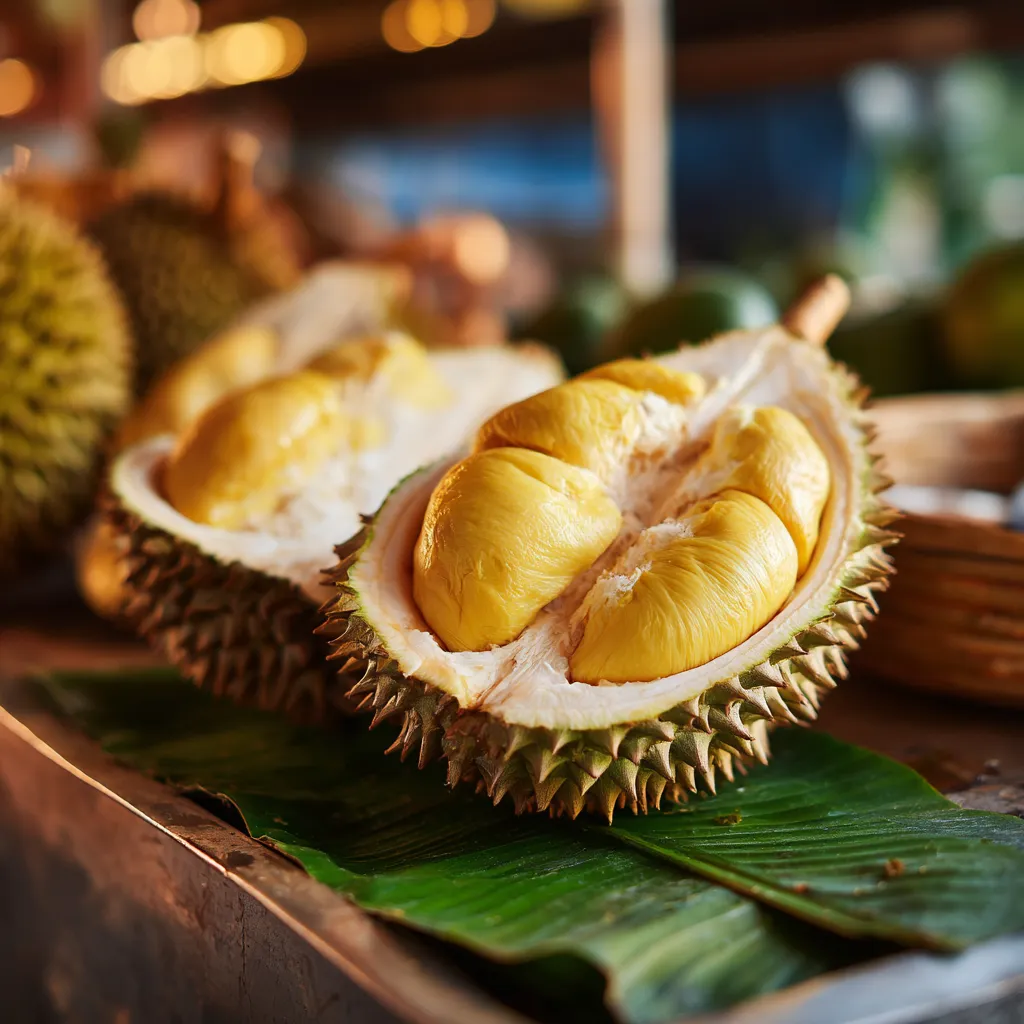
Durian season turns certain neighbourhoods into overnight marketplaces. In the east and Geylang area you’ll find clusters of roadside stalls and markets that specialise in fresh Malaysian durians; these are favourite late-night makan spots.
Look for busy stalls with many crates, handwritten variety labels and a crowd — that’s usually a sign of turnover and freshness. Heartland markets such as Geylang Serai Market are well-known for fruit and seasonal durian sellers, and kopitiams near hawker centres often host pop-up durian vendors during peak months.
If you’re short on time, many stalls also sell chilled or frozen durian packets (pre-opened) that are easy to take home for desserts or to try without committing to a whole fruit.
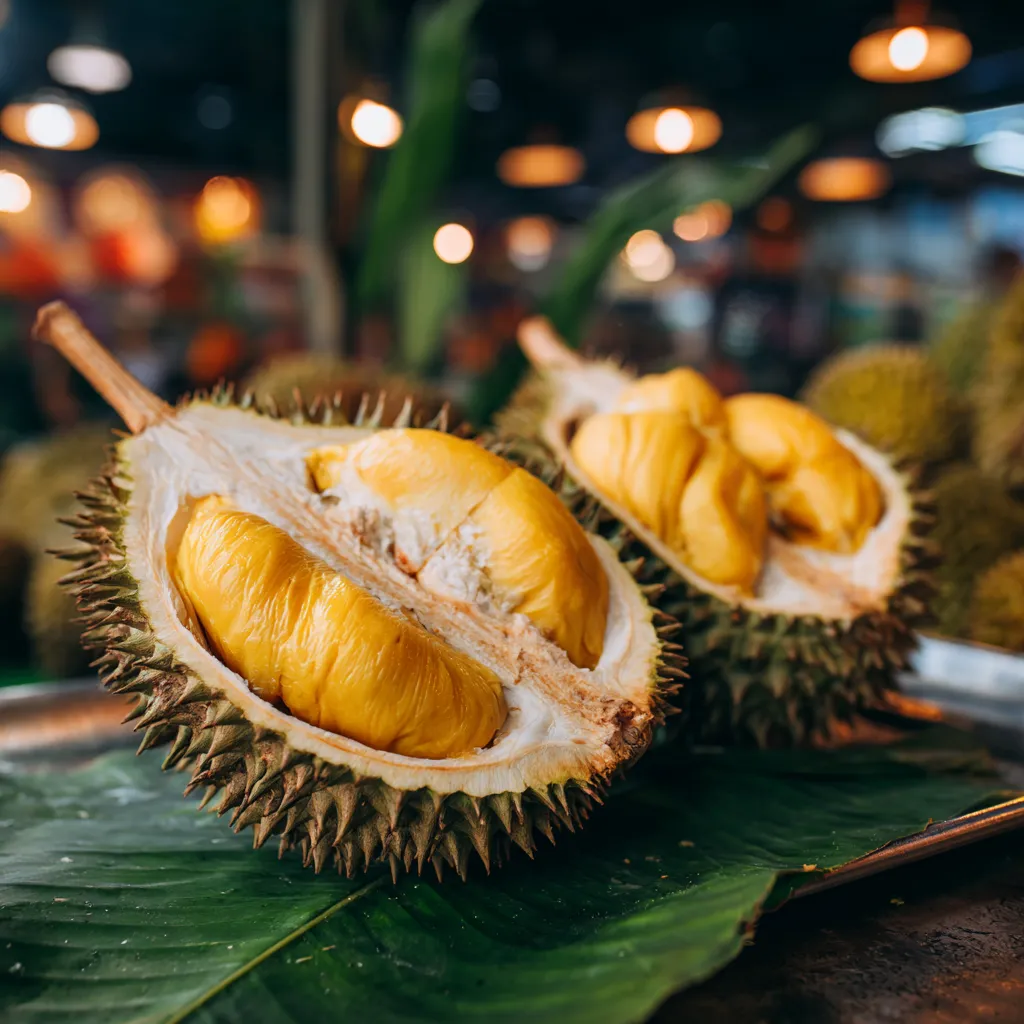
Choosing a good durian as a beginner is easier with a few simple checks: a fresh smell (not stale), a thud test (when gently tapped the sound should be hollow), and visible creamy colour of the flesh if sellers are willing to show a cut.
Don’t rely only on price — expensive fruit can be overhyped, and cheaper varieties like D24 or Monthong can be delicious and more forgiving for first-timers. If buying pre-packaged, check the pack date and that the flesh looks moist, not dry.
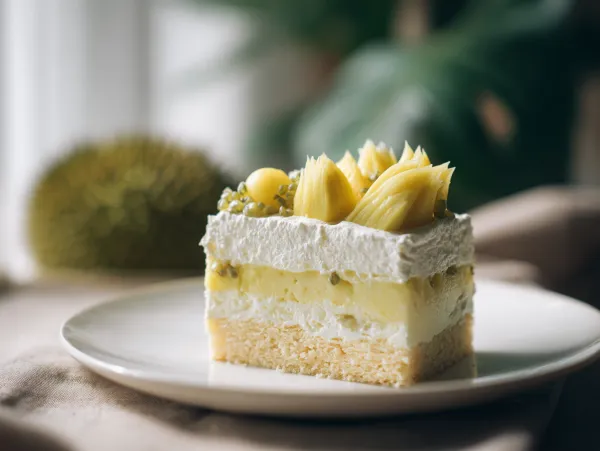
Storing durian at home: short term in the fridge for a day or two, or freeze in airtight packs for desserts. Many Singapore bakers use flash-frozen durian for durian pastries and mousse cakes to control texture and safety.
Peak durian season in the region typically falls around June–August with secondary windows later in the year — but imports and different farms mean you can find durian for several months. Expect prices and variety availability to fluctuate with seasonality.
Etiquette notes: because the smell is strong, many Singaporeans eat durian at the stall, at a friend’s place, or in a car — but avoid bringing it into hotels’ common areas and public transport. Tipping the stall worker is not necessary, but polite thanks and prompt payment go a long way.
If you plan a durian-focused makan trail, combine a hawker-centre dinner (chili crab or satay nearby) with a late-night durian stop — many friends in Tiong Bahru and the east do this every season.
