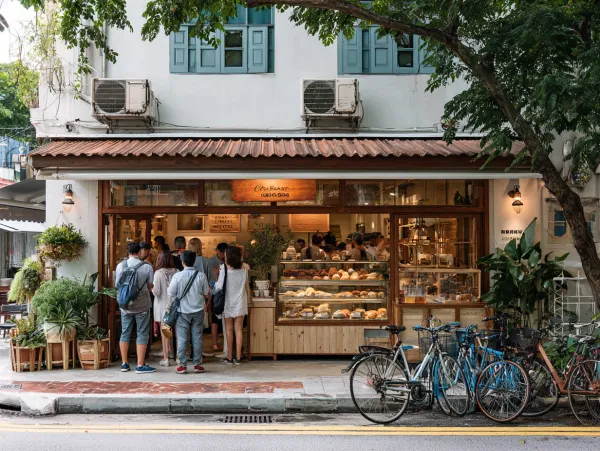

Modern local produce dining
The Malayan Council
A contemporary Malay & Southeast Asian bistro in Tanjong Pagar known for bold rendangs, sambals and creative cocktails....
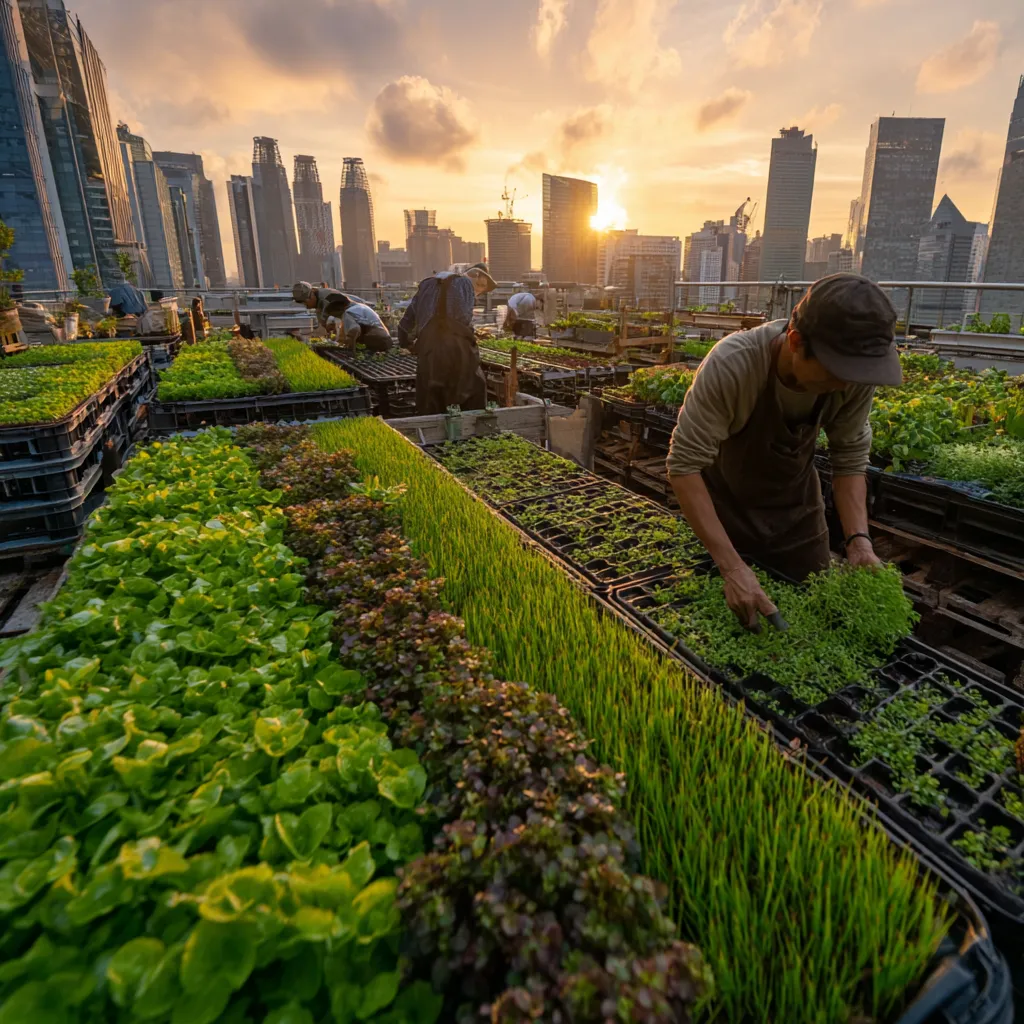
How Singapore's chefs, urban farms and hawker stalls are rethinking ingredients and menus — a practical guide to the island's farm-to-table scene and where to makan sustainably.
Farm-to-table in Singapore is less a trend and more a rethink — chefs are building menus around local seasons and small growers.
You can taste the difference when produce comes from a neighbouring farm rather than halfway around the world.
On an island where fresh seafood, imported produce and a thriving hawker culture meet a growing sustainability movement, farm-to-table dining has shifted from niche to mainstream. Chefs, cafes and even hawkers are experimenting with local growers, seasonal menus and reduced-waste techniques to respond to climate concerns and savvy diners.
For Singapore residents and visitors alike, embracing farm-to-table is partly about flavour — seasonal vegetables, hyper-local herbs and better-traced seafood often taste brighter — and partly about values: supporting urban farms, reducing food miles and making the long-term food system more resilient.
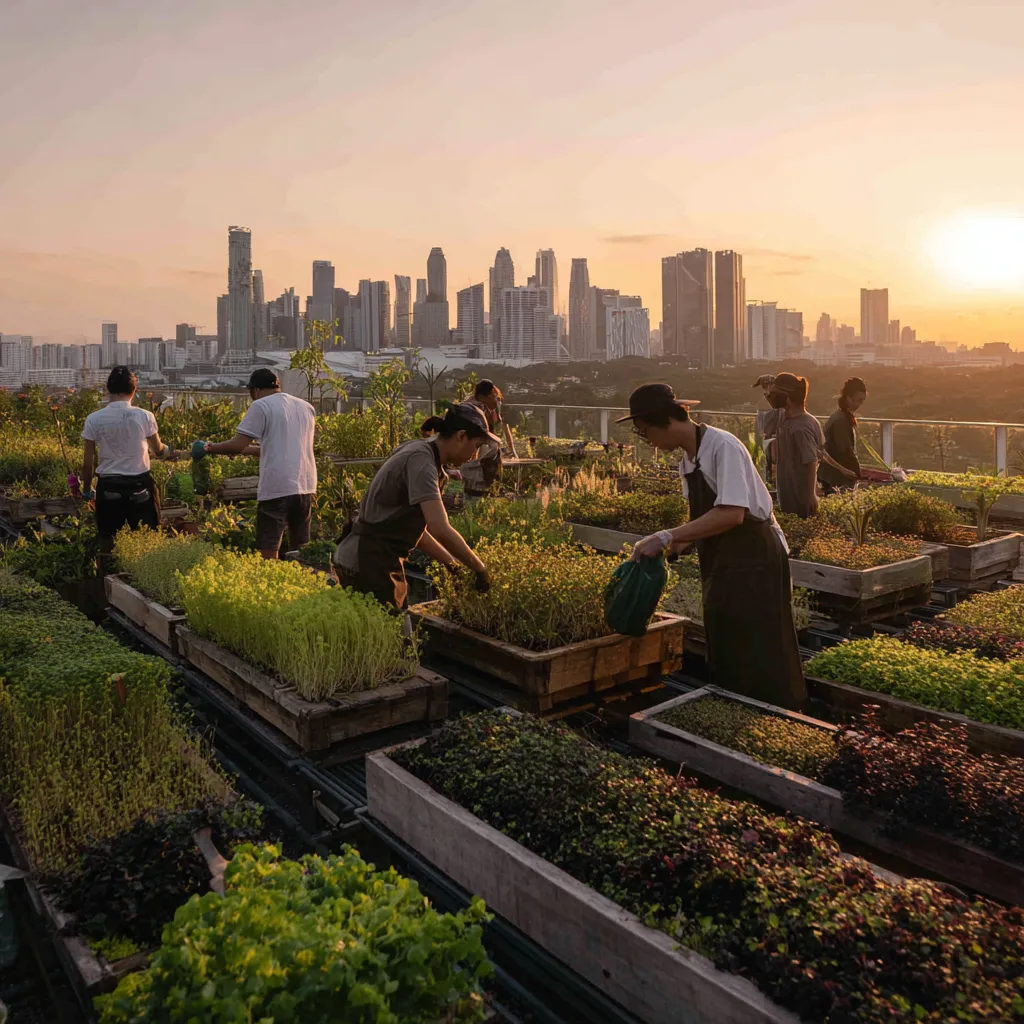
Tiong Bahru and the CBD now host neighbourhood cafés and bistro-style places that source from urban farms and small suppliers — perfect for brunch or an easy weekday lunch. In the East, restaurants along East Coast and Katong are experimenting with coastal produce and responsibly farmed seafood.
If you want hands-on, look out for weekend pop-up markets and farm tours run by urban-farming groups — they crop up around heartland parks and community centres and are a great way to meet growers and learn the seasonality of local produce.
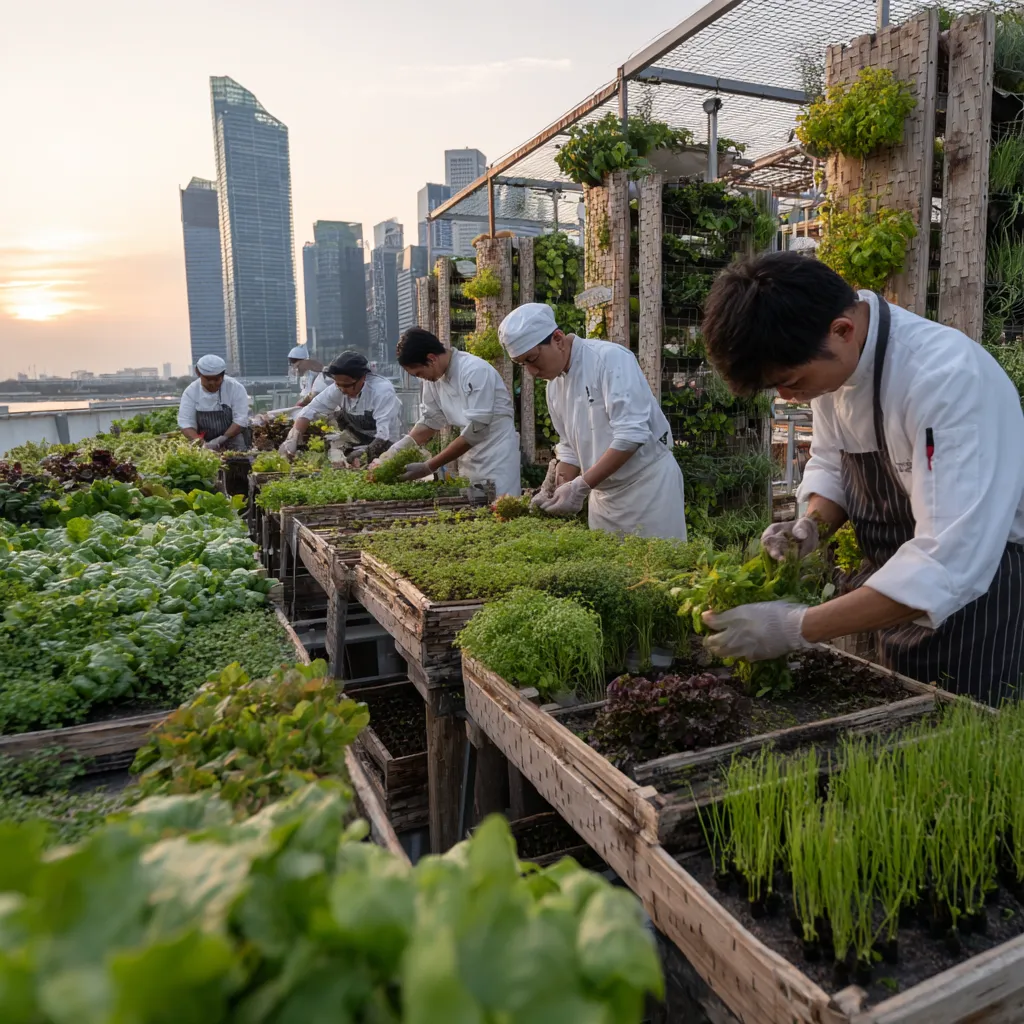
Look for menus that highlight seasonal veg and list the farm or supplier. Dishes like roasted-root-vegetables, vegetable-forward mains, and whole-fish preparations with clear sourcing are tell-tale signs. Many kitchens now use root-to-stem cooking, preserved condiments and offcut stocks to reduce waste.
Seafood sustainability matters in Singapore — ask about species and sourcing, prefer restaurants that rotate their catch and avoid overfished items. For meat, smaller suppliers or farms practising higher welfare and traceability are increasingly featured on menus.
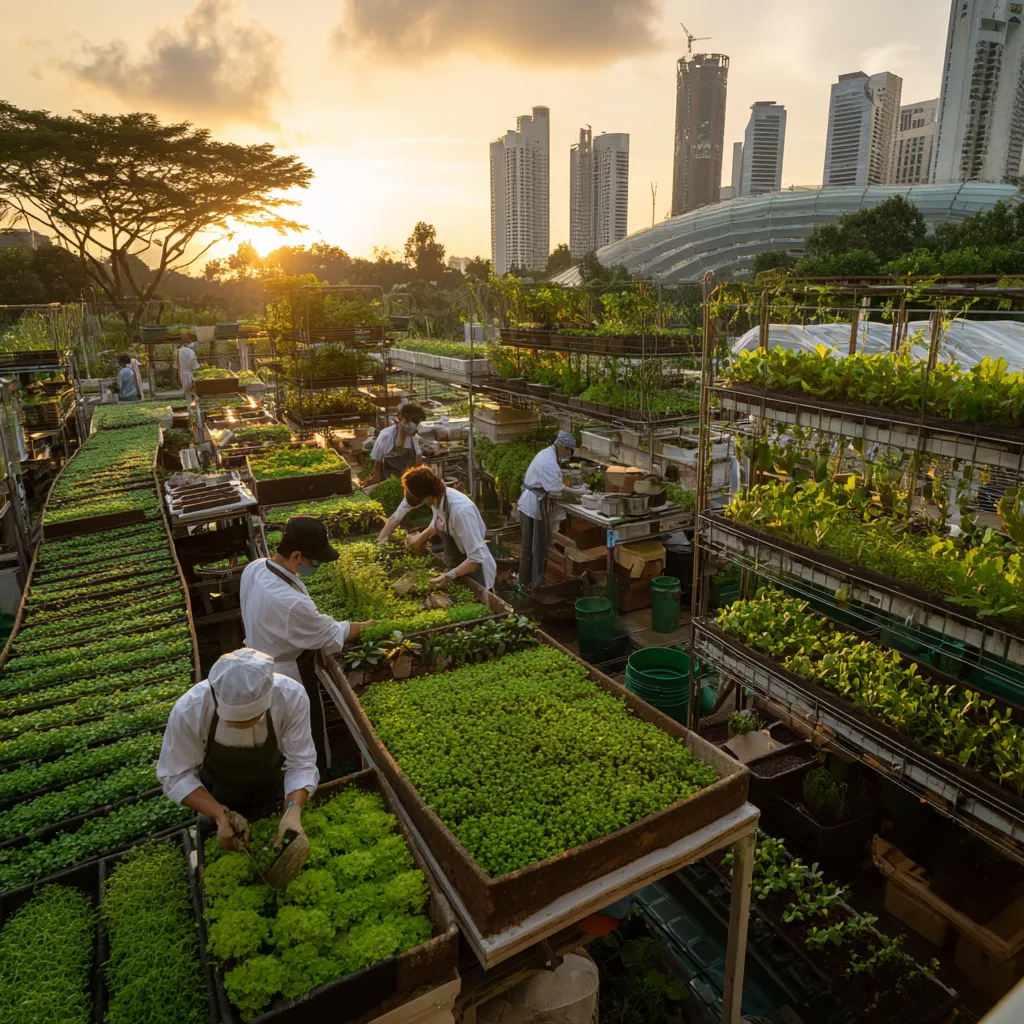
Marketing terms can be vague. A few practical checks: menus that name farms or cooperatives, chefs who talk about seasonality, partnerships with urban farms or community gardens, and visible waste-reduction efforts in the kitchen are good indicators. Certifications help but aren't the whole story in a small-market context like Singapore.
For a hands-on approach, visit weekend markets and ask growers about their methods. Supporting producers directly — buying their produce, signing up for CSA (community-supported agriculture) boxes, or attending farm dinners — has an immediate impact.
Start with an early farmers' market or community garden visit to buy produce and meet growers, then move to a nearby café for a vegetable-forward brunch. In the afternoon, choose a restaurant that highlights local seafood or ethically sourced proteins for dinner — combine neighbourhoods like Tiong Bahru, Katong and the East Coast for a varied trail.
If you're in Singapore for a weekend, book a farm tour or a pop-up farm-to-table dinner in advance — these events sell out and are often scheduled around harvest windows, so planning helps you make the most of seasonal produce.