Try a famous Katong laksa
328 Katong Laksa
Beloved Katong laksa stall known for its rich, coconut-forward bowls of Peranakan-style laksa in the East Coast neighbou...
A pocket-friendly guide to sampling Singapore’s cheapest Michelin-honoured hawker eats — where to go, what to order and how to plan a budget makan trail.
Great hawker food doesn’t have to cost a fortune — some of Singapore’s most celebrated dishes are still affordable if you know where to go.
Plan your trail by neighbourhood, not by dish; you’ll save time, avoid cross-island travel and get more makan for your dollar.
When dining guides started recognising hawker stalls, it shifted perceptions: affordable, everyday stalls could be world-class. For tourists and locals alike, the allure is simple — top-quality hawker cooking at pocket-friendly prices. That’s why learning where to find the cheapest Michelin-honoured dishes is a useful skill for anyone who wants great makan without splurging.
This section explains the value proposition: authentic flavours, neighbourhood context (from Chinatown and Tiong Bahru to the east coast), and practical reasons to prioritise budget hawker stars — quicker lines, lower risk for first-time visitors, and the chance to experience Singapore’s food culture up close.
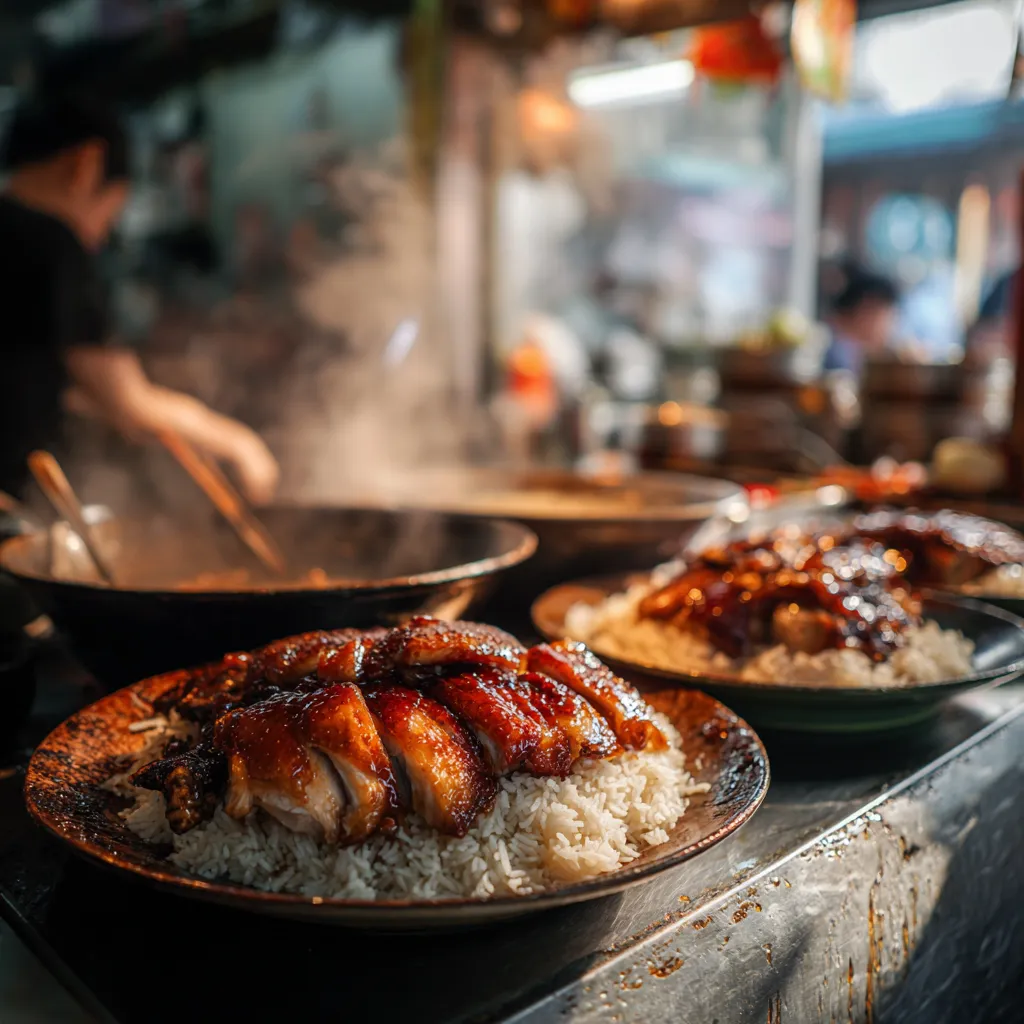
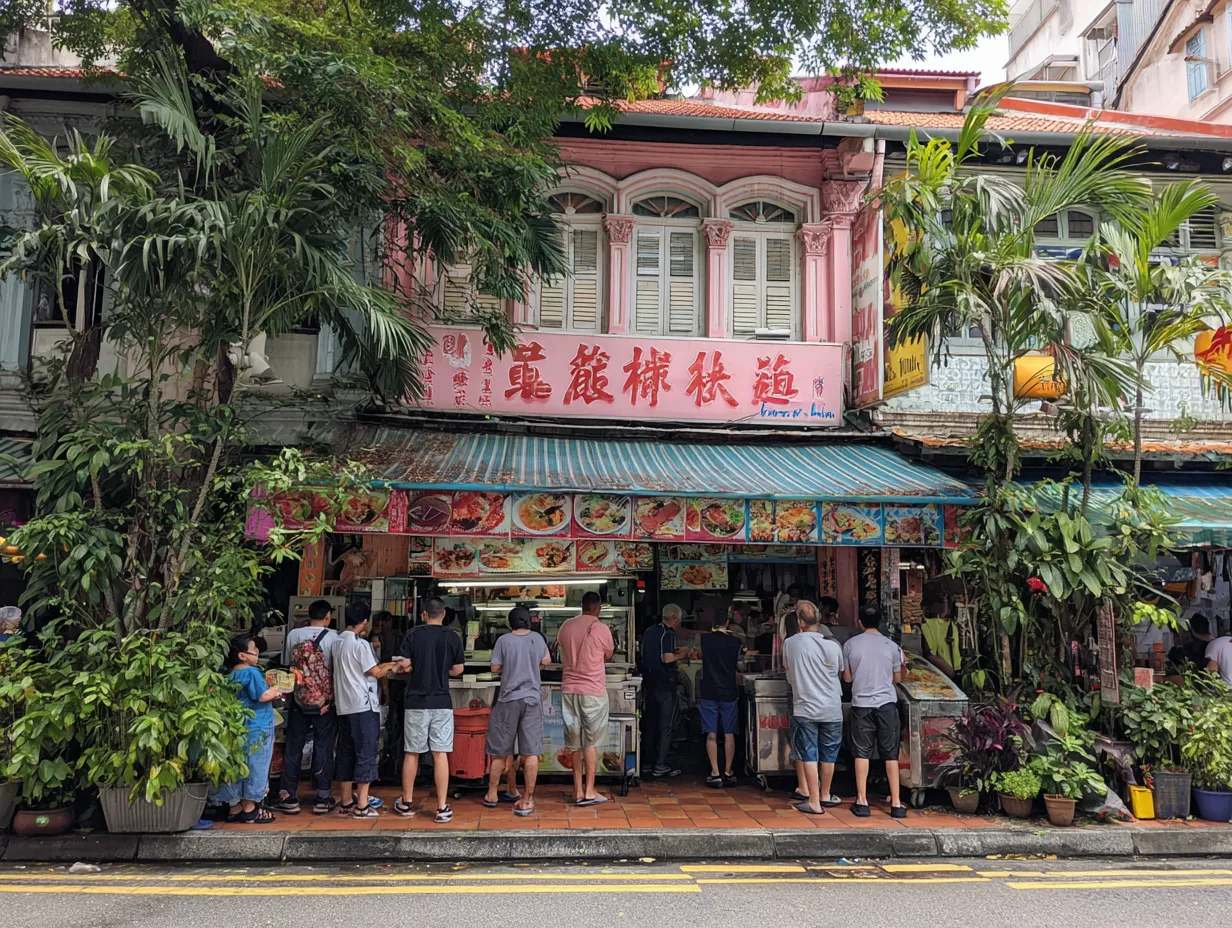
For the best value, head to established hawker centres and heritage neighbourhoods where award-winning stalls operate: Chinatown Complex and Tiong Bahru remain staples for visitors, while east-side favourites and heartland centres offer quieter, cheaper options. These places pair well with short walks and nearby kopitiams for dessert.
If you want a coastal vibe, Changi Village Hawker Centre is perfect for an easy morning or supper visit; for classic Peranakan-leaning laksa, Katong remains an essential stop. Plan by grouping stalls by neighbourhood to avoid long cross-island transfers — a single MRT hop plus a short walk often gets you two or three stops.
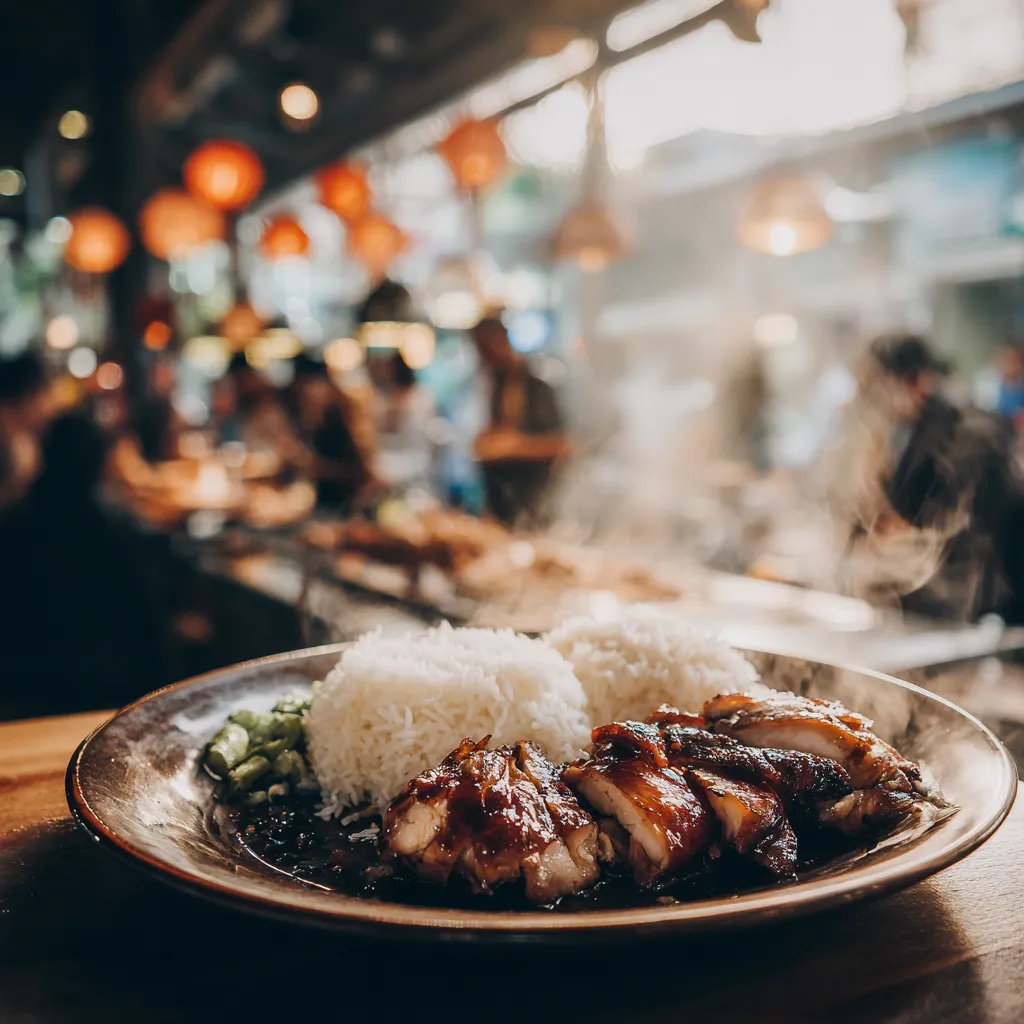
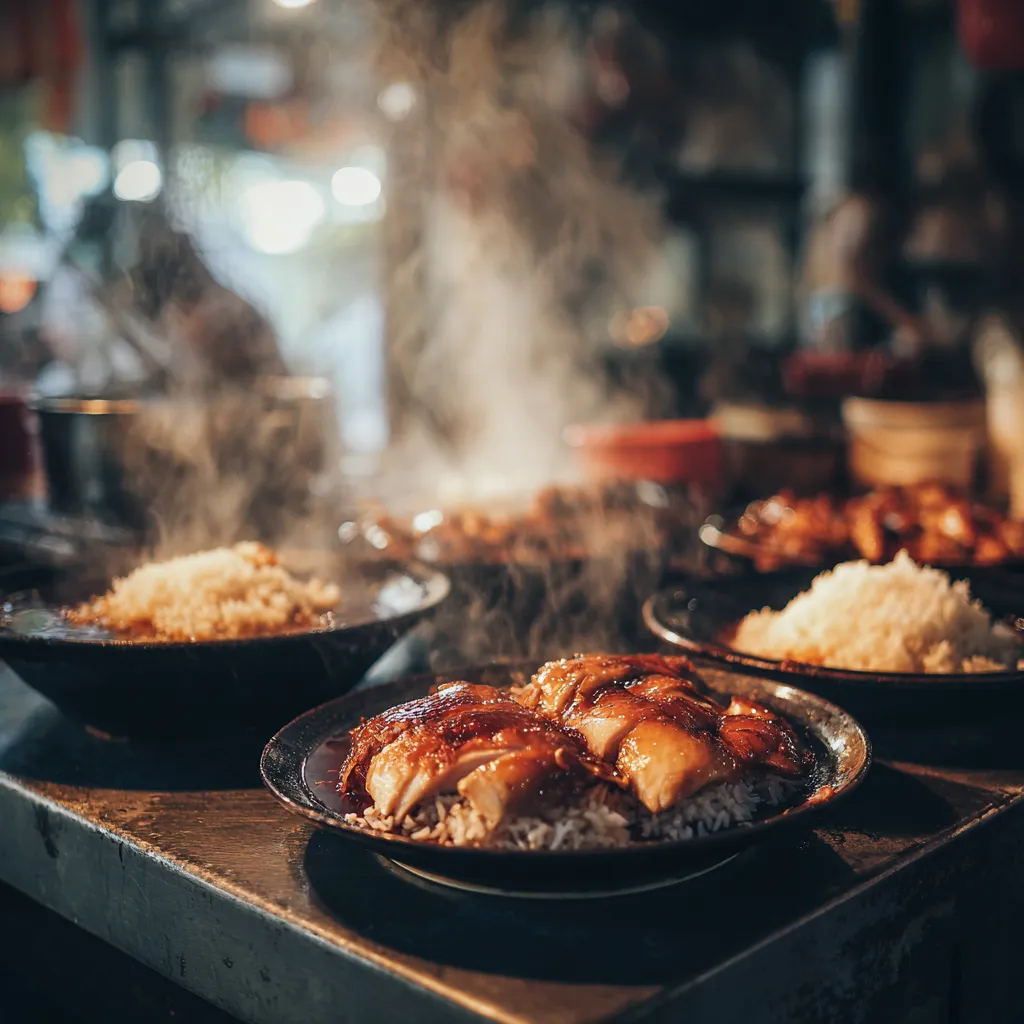
Some of the most wallet-friendly star-adjacent dishes are single-dish mains: soya sauce chicken with rice, lor mee, fish soup, and laksa. These are satisfying, portable, and usually priced to suit everyday budgets. Look for smaller portion options or lunchtime sets aimed at the CBD lunch crowd.
Ordering wisely matters: ask for ‘small’ or ‘mei fan’ (no rice) where available, share plates with friends, and add selective sides (a bowl of soup or a portion of vegetables) rather than multiple heavy mains. That way you get to sample more stalls on one trip.

Beat the worst queues by timing your visit: avoid 12:00–13:30 lunch on weekdays and the 19:00–21:00 supper rush on weekends. Early mornings (around 8–10am) and late afternoons (15:00–17:00) are golden for shorter lines and fresher ingredients.
Most hawker stalls now accept cashless payment (PayNow/PayLah, NETS) but it’s still wise to carry small change for older stalls. Bring a small foldable bag for takeaways and a wet tissue for hand-cleaning. If a stall offers limited seating, buy and move to shared tables — this keeps the queue moving and respects local hawker etiquette.
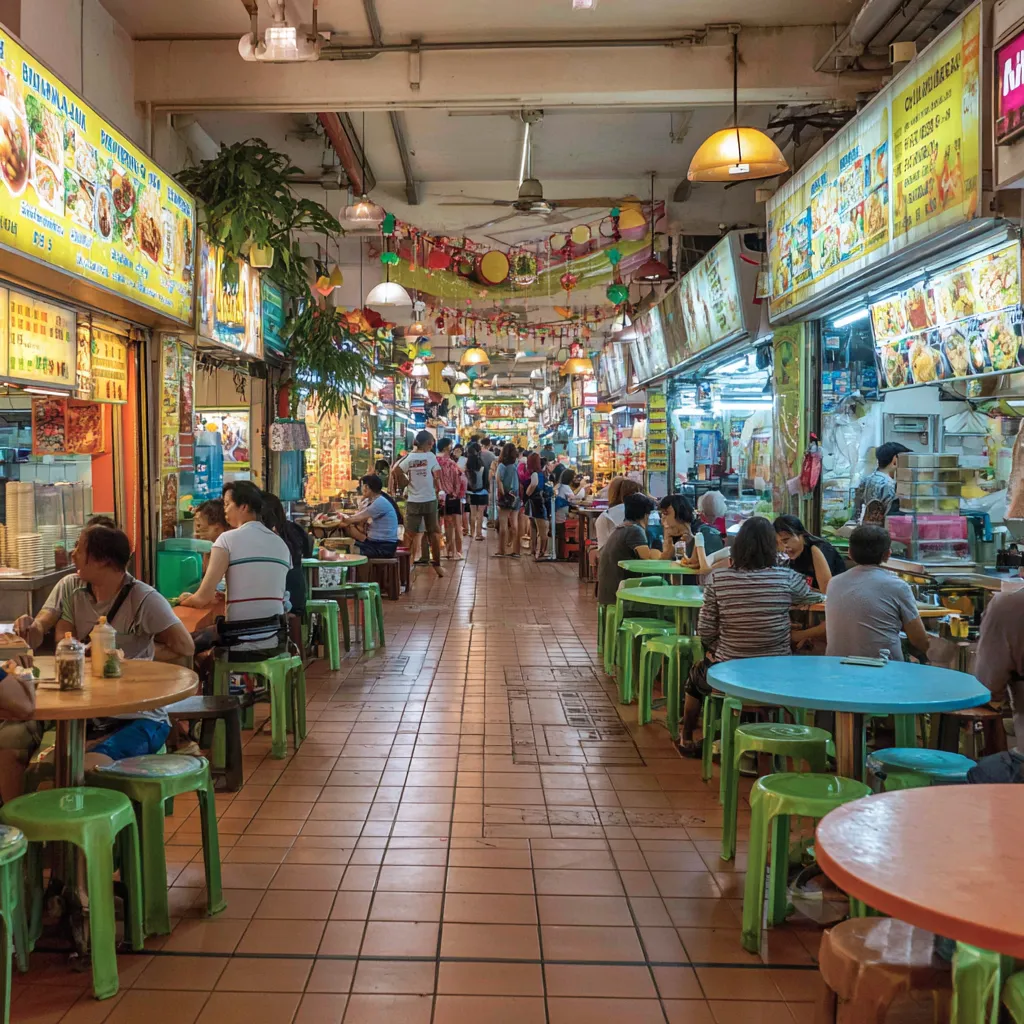
Start mid-morning in Tiong Bahru for coffee and a light bite, then hop to Chinatown Complex for a soya sauce chicken or noodle bowl around 11am. After a short MRT ride, head east to Katong for a late lunch laksa that showcases Peranakan-influenced flavours. Wrap up at Changi Village in the late afternoon for a relaxed seaside snack or bak kut teh if you crave something heartier.
This half-day route keeps travel minimal and ensures you’re sampling variety: one small breakfast, one main noodle or rice dish, and a light snack to finish. It’s perfect for visitors with limited time who want Michelin-worthy hawker experiences without a big bill.
Try a famous Katong laksa
Beloved Katong laksa stall known for its rich, coconut-forward bowls of Peranakan-style laksa in the East Coast neighbou...
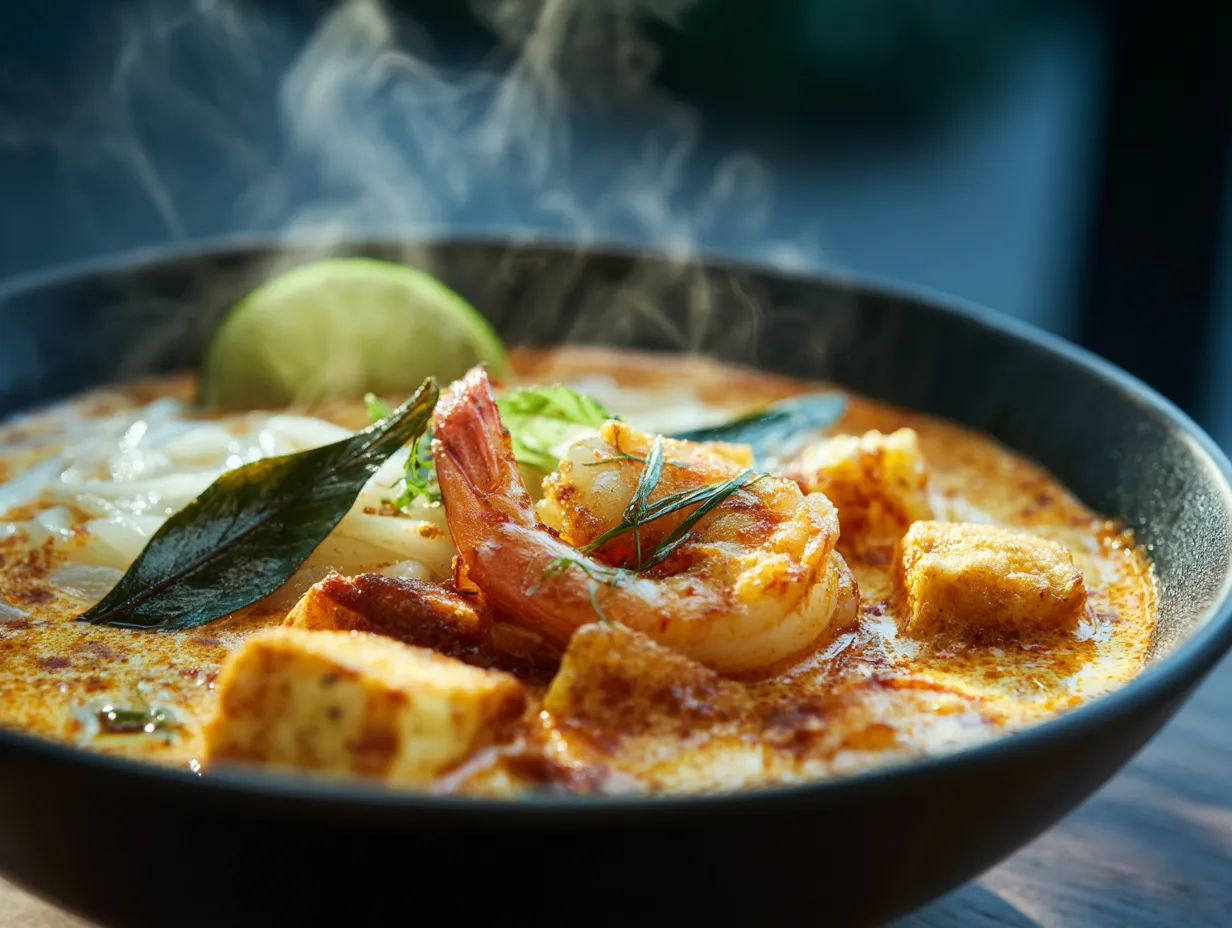
Recreate laksa at home
Singapore-style lemak laksa — a rich, coconut-milk noodle soup simmered with prawns, fish cake and aromatic laksa paste ...