Try the classic Katong laksa
328 Katong Laksa
Beloved Katong laksa stall known for its rich, coconut-forward bowls of Peranakan-style laksa in the East Coast neighbou...
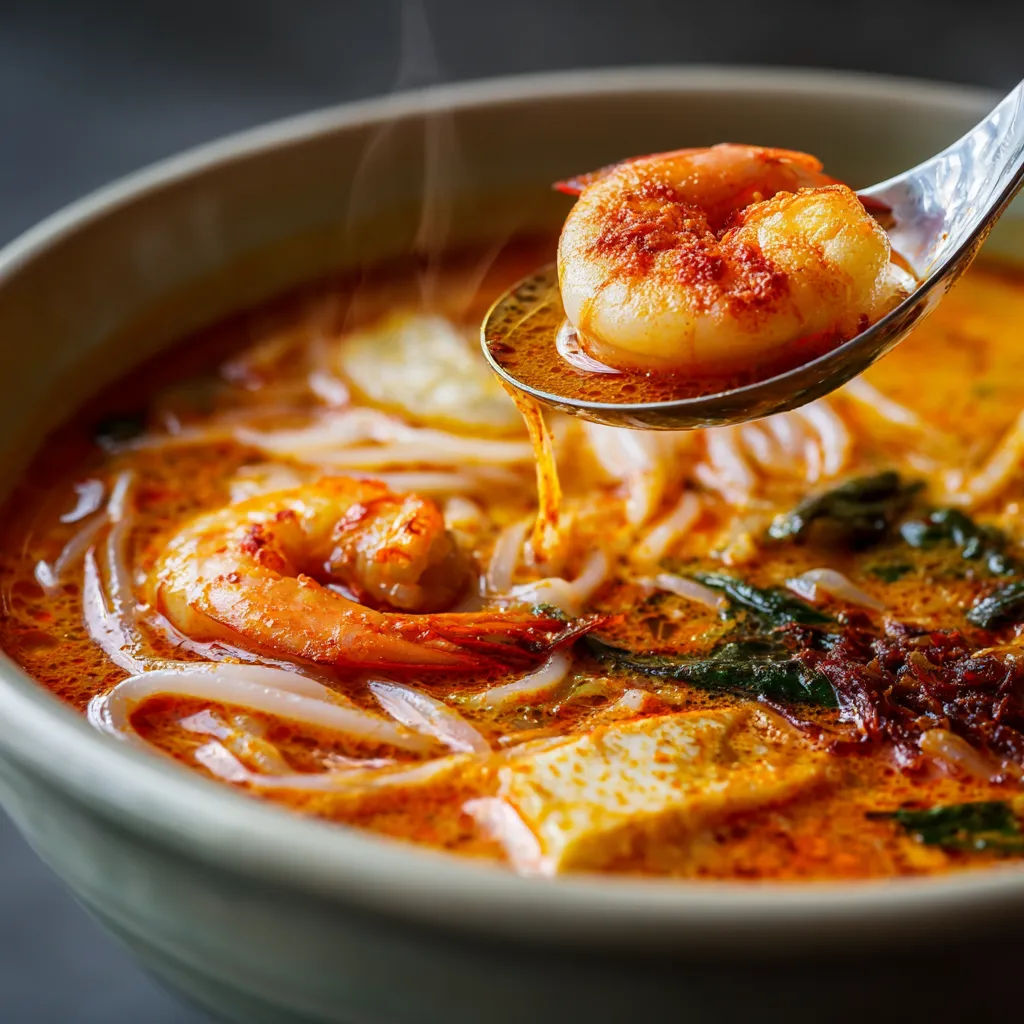
A Singapore-centred deep dive into the Katong laksa rivalry — who claims the original, how to spot authentic Katong-style laksa, and where to makan in the east.
Katong laksa is as much about the neighbourhood as the recipe — every bowl tells a small family story.
If the noodles are cut and you sip the gravy with a spoon, you’re eating Katong-style laksa.
Katong laksa is one of those dishes that feels quintessentially Singaporean — a Peranakan-influenced laksa variant that became its own neighbourhood legend in the eastern suburbs. For many locals and tourists alike, a bowl of Katong-style laksa is as much about place and history as it is about taste.
The debate over the “original” stall is less a culinary footnote and more a story about family recipes, trademarked names and how hawker lore becomes civic identity: Katong, Joo Chiat and East Coast Road are full of kopitiams, shophouses and market stalls that have shaped the dish’s fame.
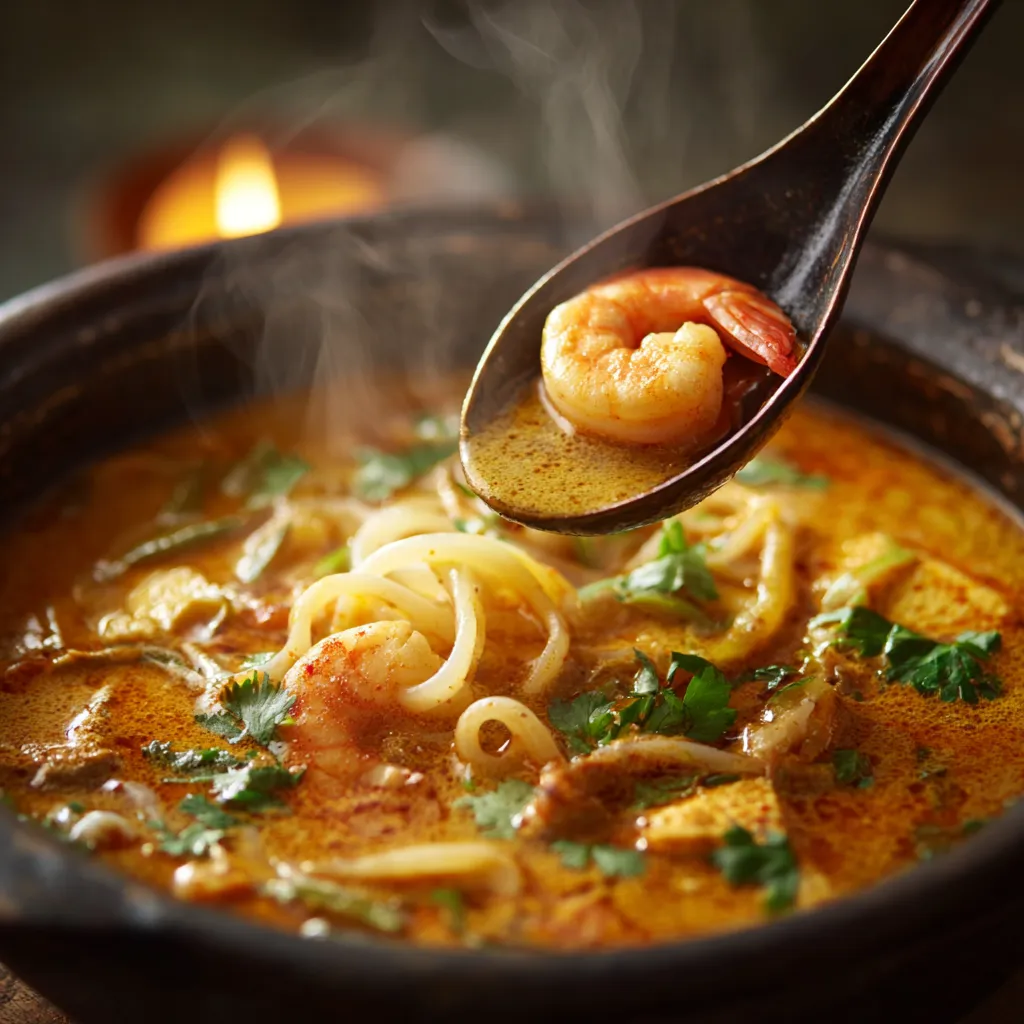
When you ask who is the original, you’ll usually hear about a handful of names — most famously the stall associated with the 328 Katong Laksa brand — and a scatter of smaller family-run stalls that trace laksa recipes back generations. The common thread is that these vendors popularised a version of laksa where the noodles are cut short and served in a rich, coconut-forward gravy that you sip with a spoon.
History in hawker-food terms is often oral: recipes passed down in family kitchens, a signboard changed, a stall moved from a coffeeshop to a market. That means “original” can mean different things — first to sell this style commercially, first to use the name, or simply the stall locals remember first.
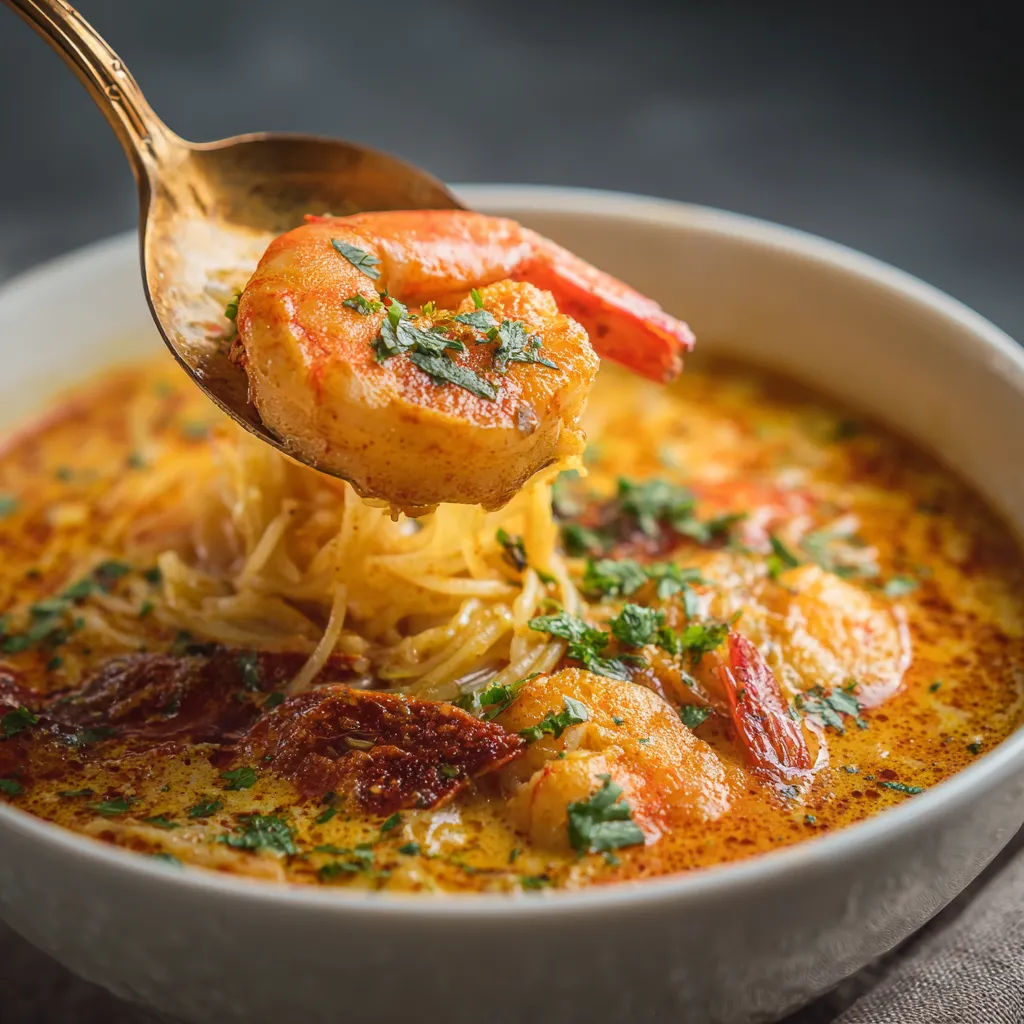
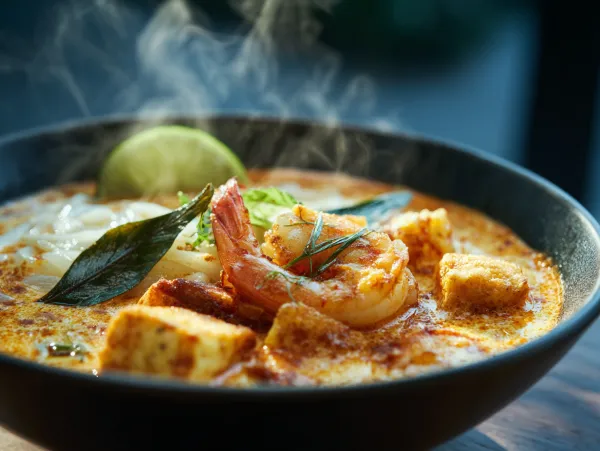
If you’re trying to tell a Katong laksa from other laksa styles, look for a few defining characteristics: short, pre-cut rice vermicelli that’s eaten with a spoon; a thick, coconut-forward gravy that’s more lemak than spicy; and toppings like prawns, cockles and fishcake slices with a sprinkle of laksa leaf.
Texture and technique matter — the gravy should cling to the shortened noodles, and you’ll often taste toasted dried shrimp and a balanced sambal rather than an overpowering chilli heat. Portion size and price vary across stalls, but the eating experience—cut noodles and spoon—remains a giveaway.
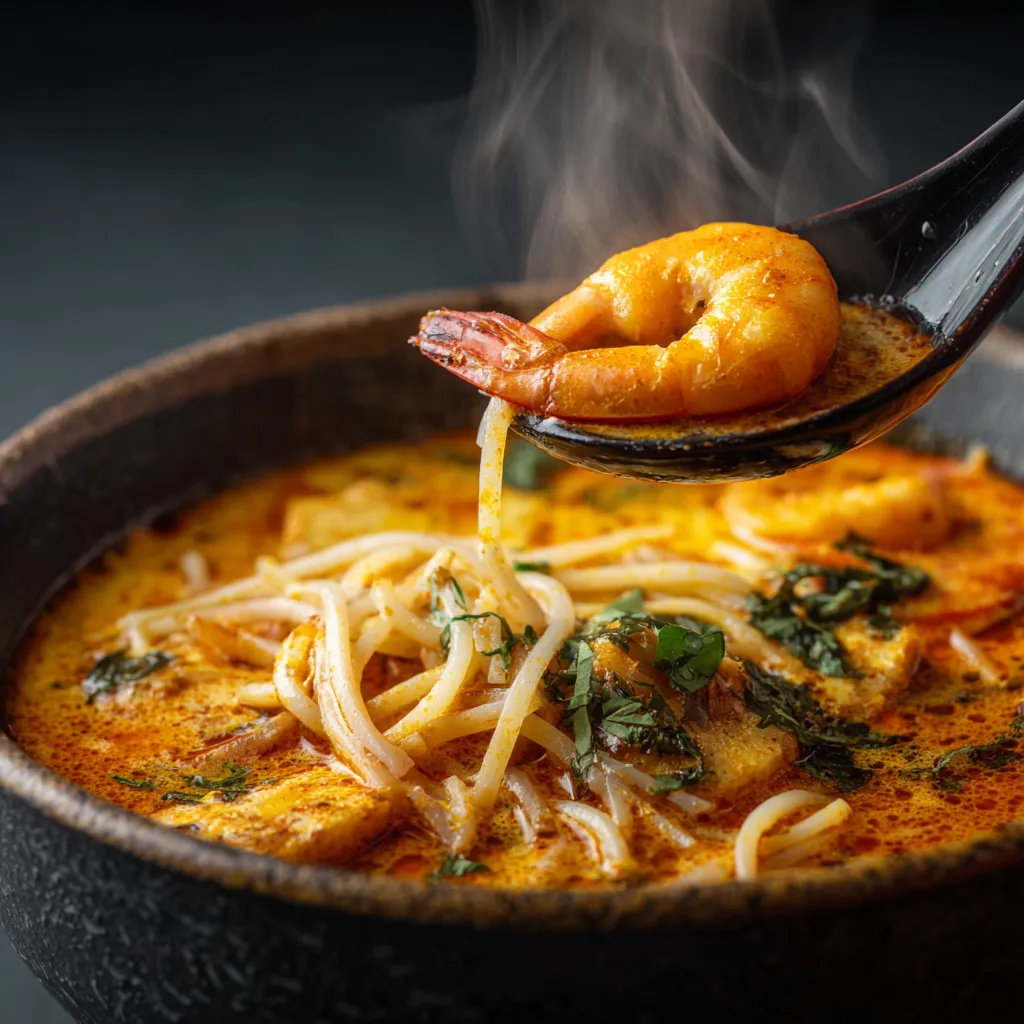
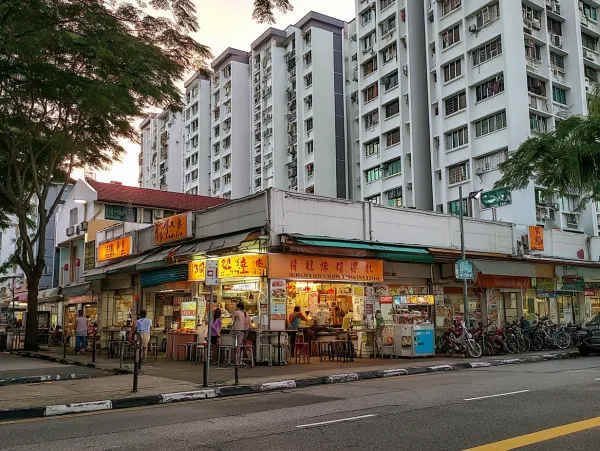
Start your trail along East Coast Road and Joo Chiat — the heritage shophouses and kopitiams here are the backdrop to the laksa story. A pilgrimage often includes the better-known outlets and several smaller stalls in kopitiams and hawker centres where old recipes survive.
Pair your laksa run with kueh or a chendol for dessert, or make it part of an east-side food crawl that includes Peranakan snacks and kopi at a nearby kopitiam. If you want to compare styles, try a popular branded stall and a lesser-known family-run stall on the same afternoon to taste subtle differences in gravy and spice.
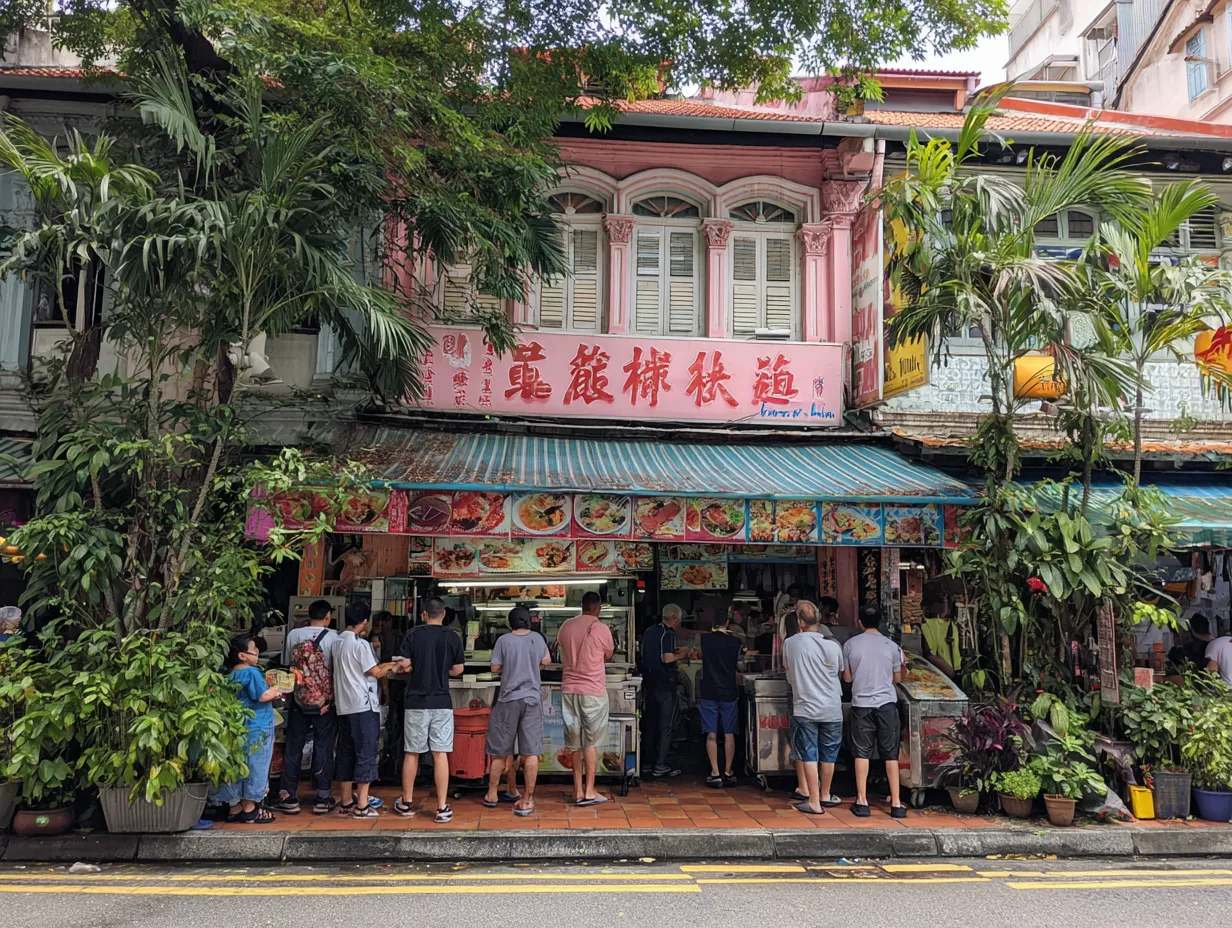
Queues are part of the experience — bring cash (some stalls still prefer it), be ready to share a table during peak lunch hours, and clear plates promptly if you’re sitting in a kopitiam. If you’re taking laksa away, note that many stalls cut the noodles specifically so the gravy coats every strand even after a short wait.
Common mistakes: asking for fork-and-knife (laksa is traditionally eaten with spoon and sometimes chopsticks), ordering extra chilli without tasting first, or expecting extreme spiciness — Katong laksa is usually more about rich coconut flavour than fiery heat.