Classic hawker centre experience
Tiong Bahru Hawker
A bustling neighbourhood hawker centre in Tiong Bahru known for classic Singapore street food and kopitiam-style breakfa...
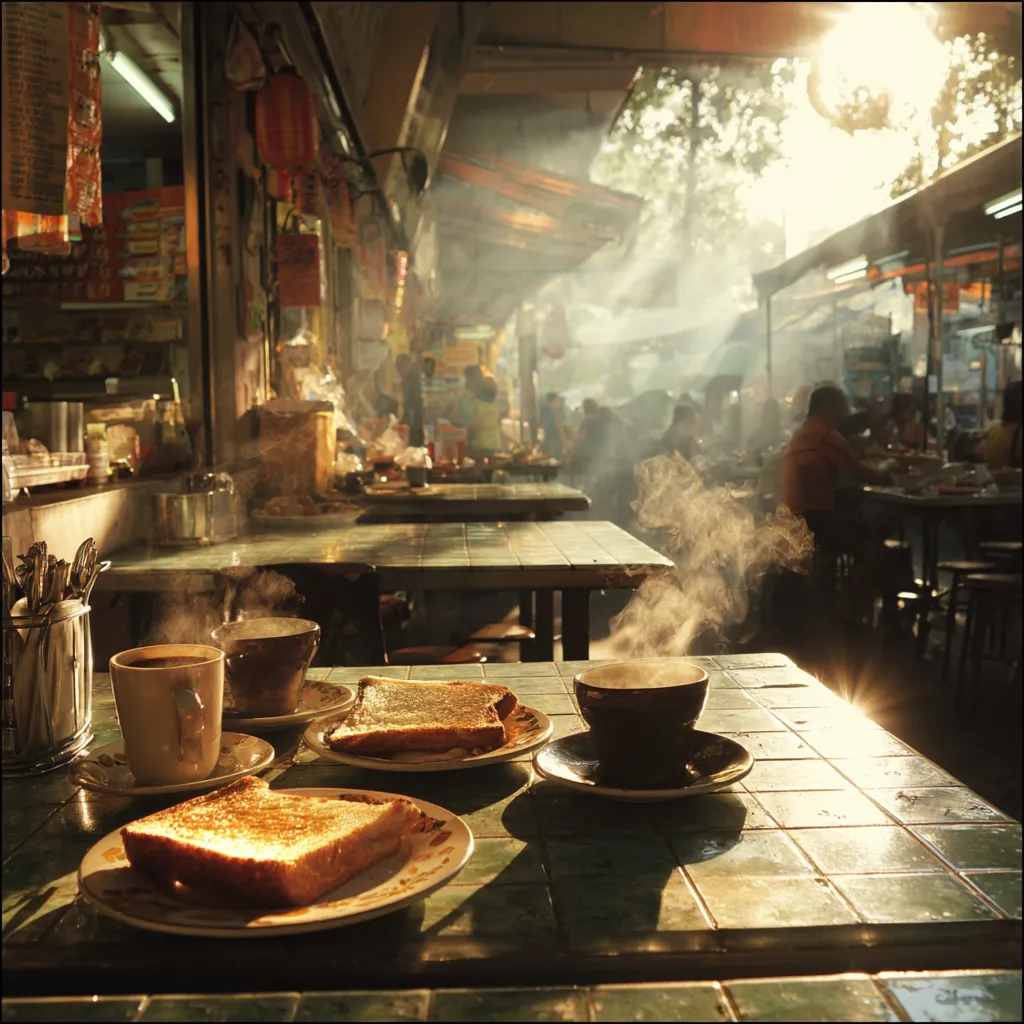
A concise Singapore guide to the best hawker centres, what to order, when to go and how to makan like a local.
If you want to understand Singapore, start with breakfast at a hawker centre.
The loudest table, the longest queue and the chilli that makes you sweat a little — that’s usually where the good food is.
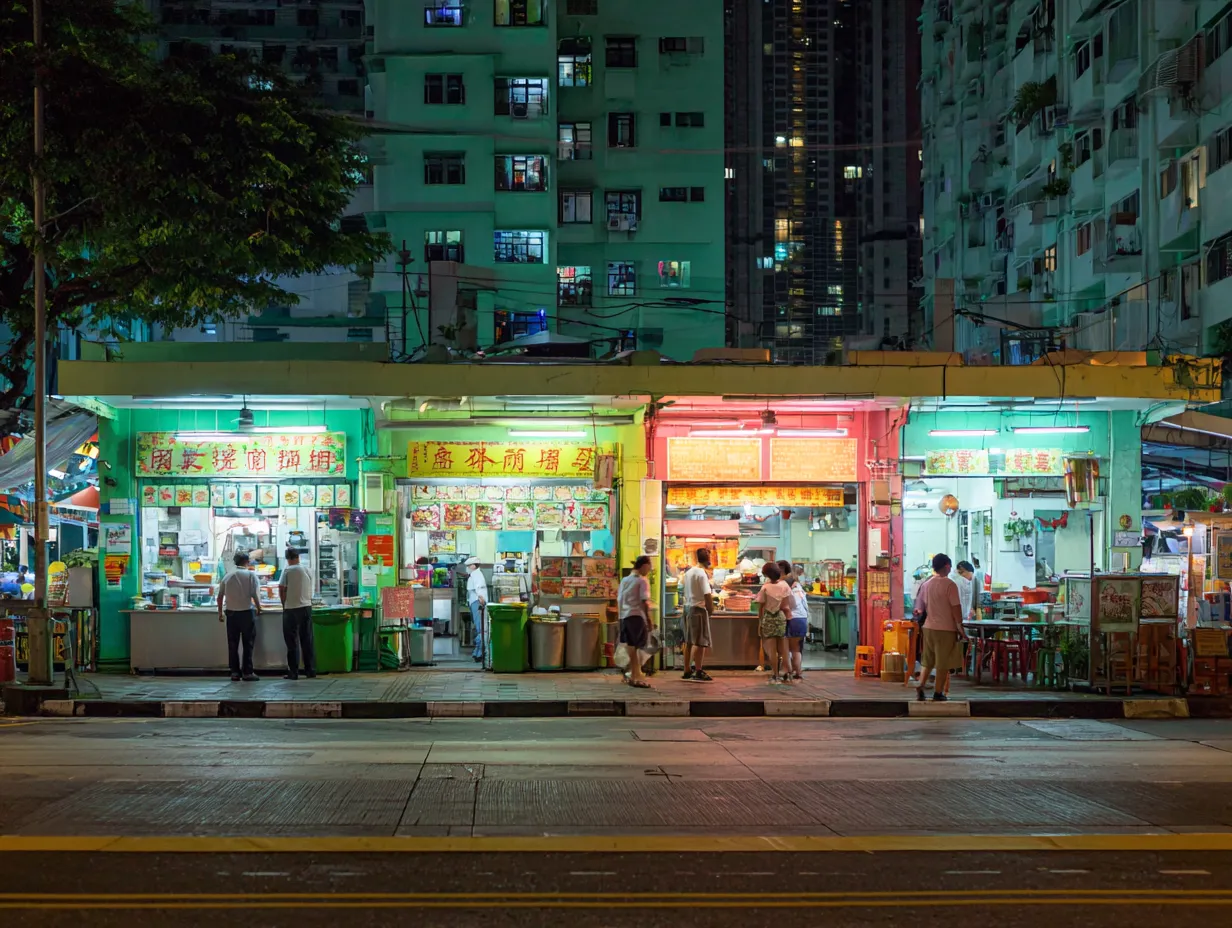
Hawker centres are how Singapore eats — from kopi and kaya toast at 7am to smoky noodles and satay at 2am. They’re open-air community dining rooms where families, office crowds and night-shift workers rub shoulders.
Expect an honest, affordable mix: kopi shops and roti prata stalls at one end, zi char and seafood stalls at the other. A single visit can cover breakfast, lunch and supper if you plan your makan route right.
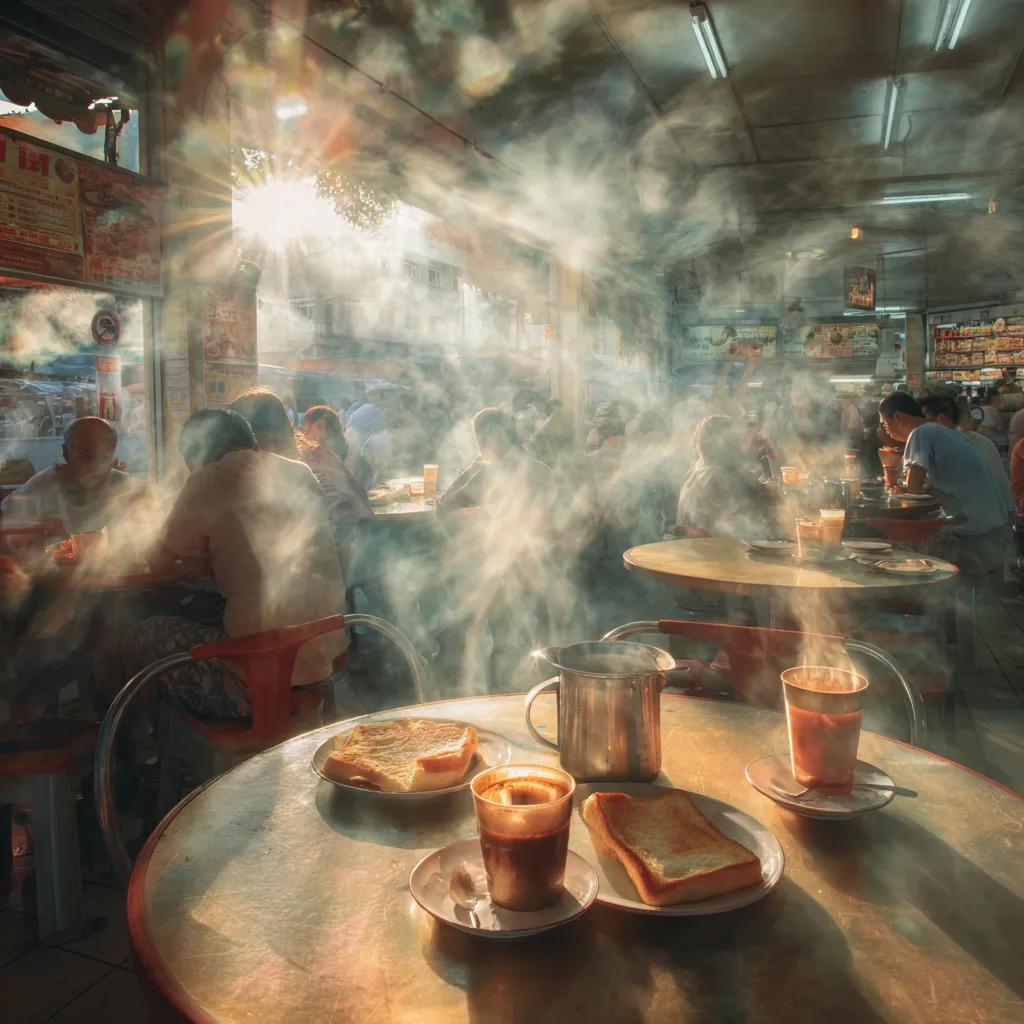
Different hawker centres have distinct personalities. Tiong Bahru mixes heritage stalls with a young crowd; Newton attracts tourists and iconic seafood; Changi Village offers laid-back seaside makan; Katong is famous for laksa and Peranakan flavours.
If you’re short on time, pick one neighbourhood and work through its stars — you’ll get regional variations (Katong laksa is different from a typical CBD laksa), which is part of the fun.
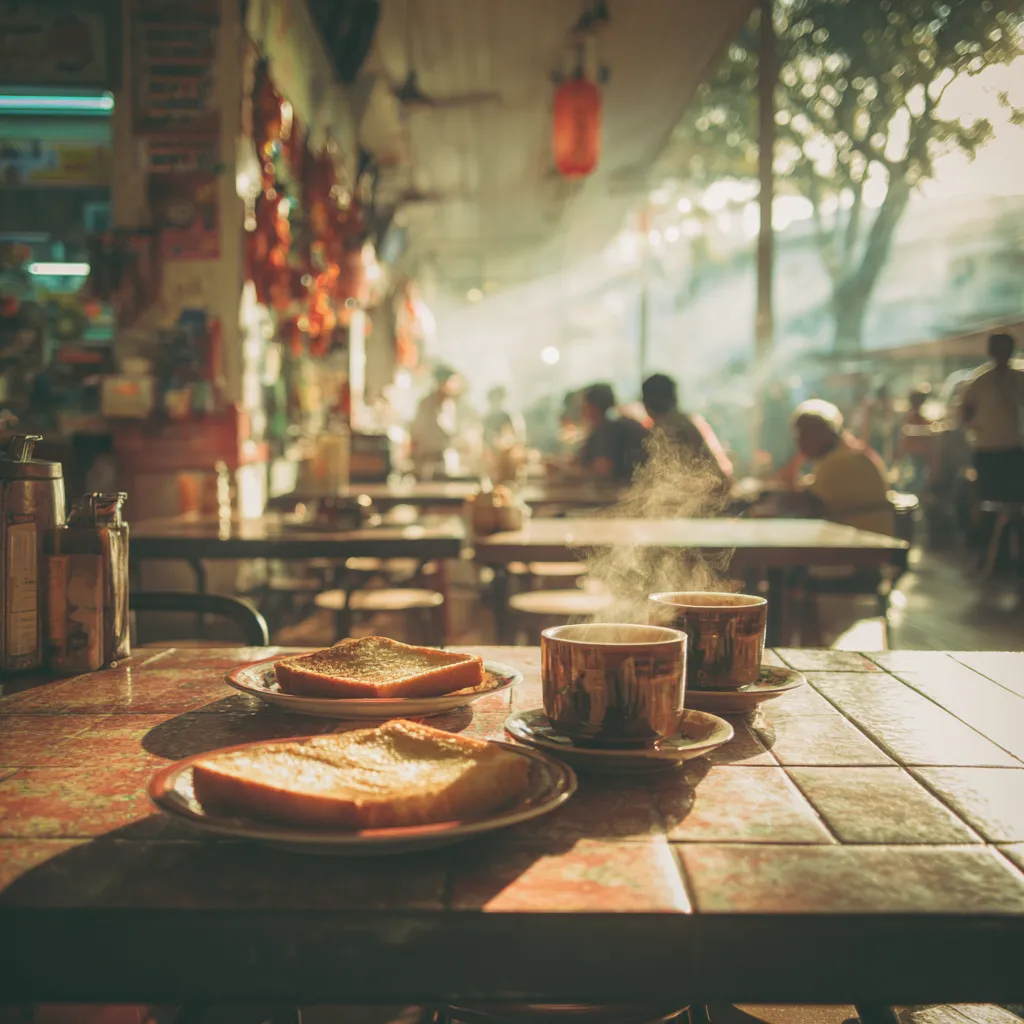
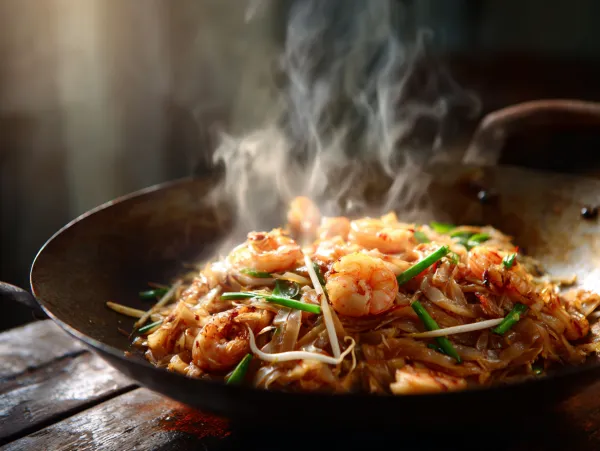
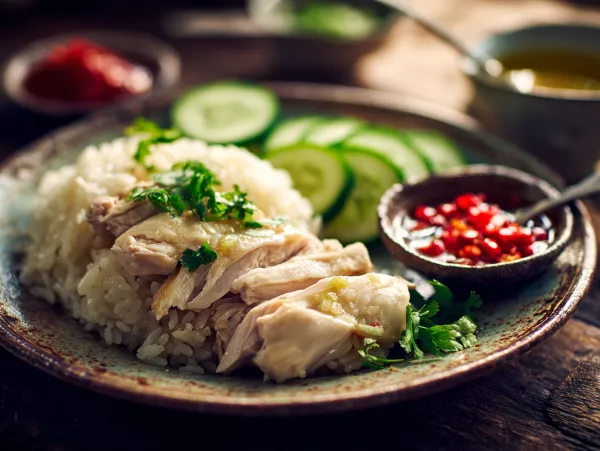
Start simple and local: Hainanese chicken rice, char kway teow and laksa are classics that showcase technique and local flavour. Most stalls specialise — a short menu can be a very good sign.
Watch the queue and what regulars order. If you’re unsure, point at someone’s plate or ask for a recommendation; stalls are used to guiding first-time visitors.
Grab a table first and remember the table number — many stalls will ask for it. Order at the stall and either wait for your food to be served or collect it when they call. Return trays and plates to the tray-return area when you’re done.
Bring small notes or a preloaded e-wallet; while many stalls accept digital payment now, cash is still common at older stalls. Be mindful of peak times: lunch is 12–2pm for the CBD crowd, while supper is busiest after 9pm at popular East Coast and Tiong Bahru spots.
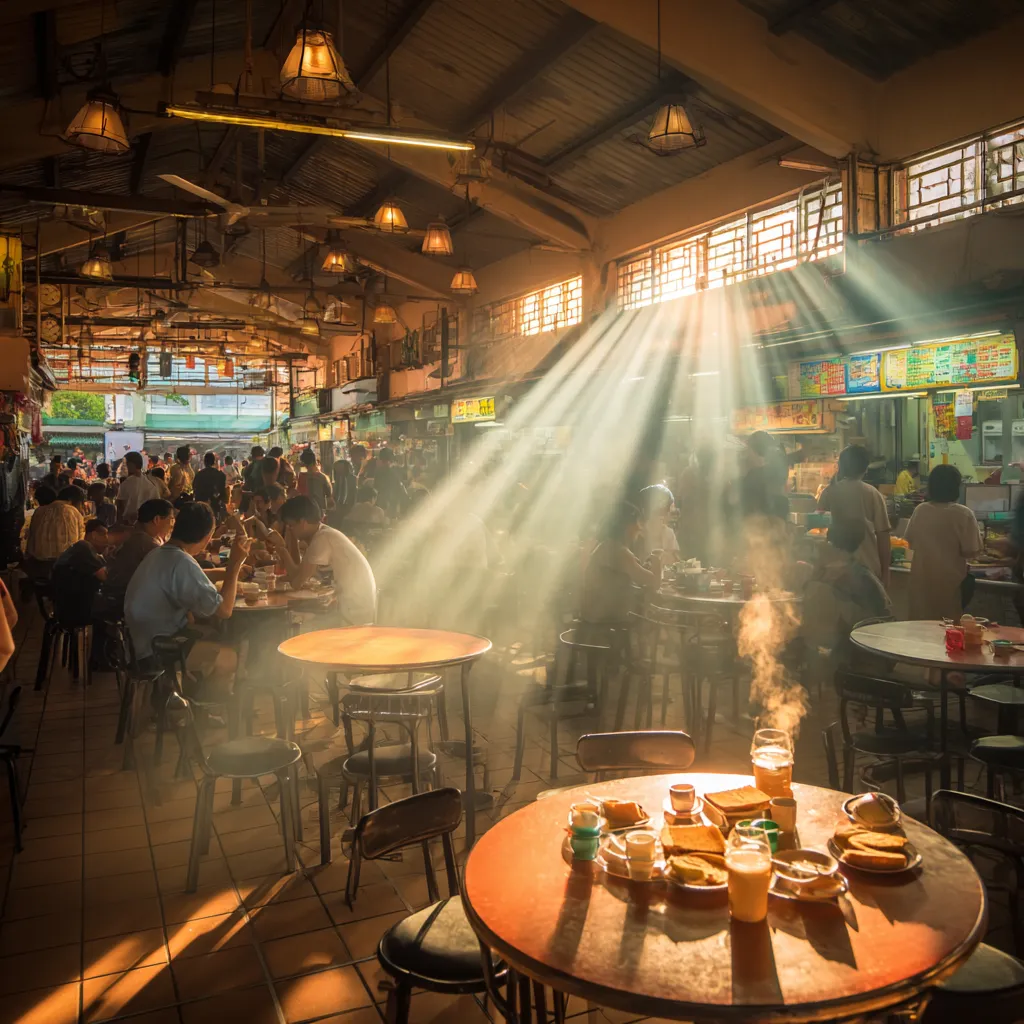
Build a short trail: breakfast at a kopitiam (kaya toast + kopi), morning snack like popiah or orh nee, lunch of chicken rice or laksa, and finish with dessert (ice kachang or cheng tng). Aim for two to three stalls per person so you can share and try more.
Combine nearby hawker centres in the same neighbourhood — for example, Tiong Bahru for breakfast and bakeries, then a short walk to a kopitiam for lunch, or pair Changi Village with a seaside walk. Use public transport; MRT stations and buses link most major centres easily.
Classic hawker centre experience
A bustling neighbourhood hawker centre in Tiong Bahru known for classic Singapore street food and kopitiam-style breakfa...
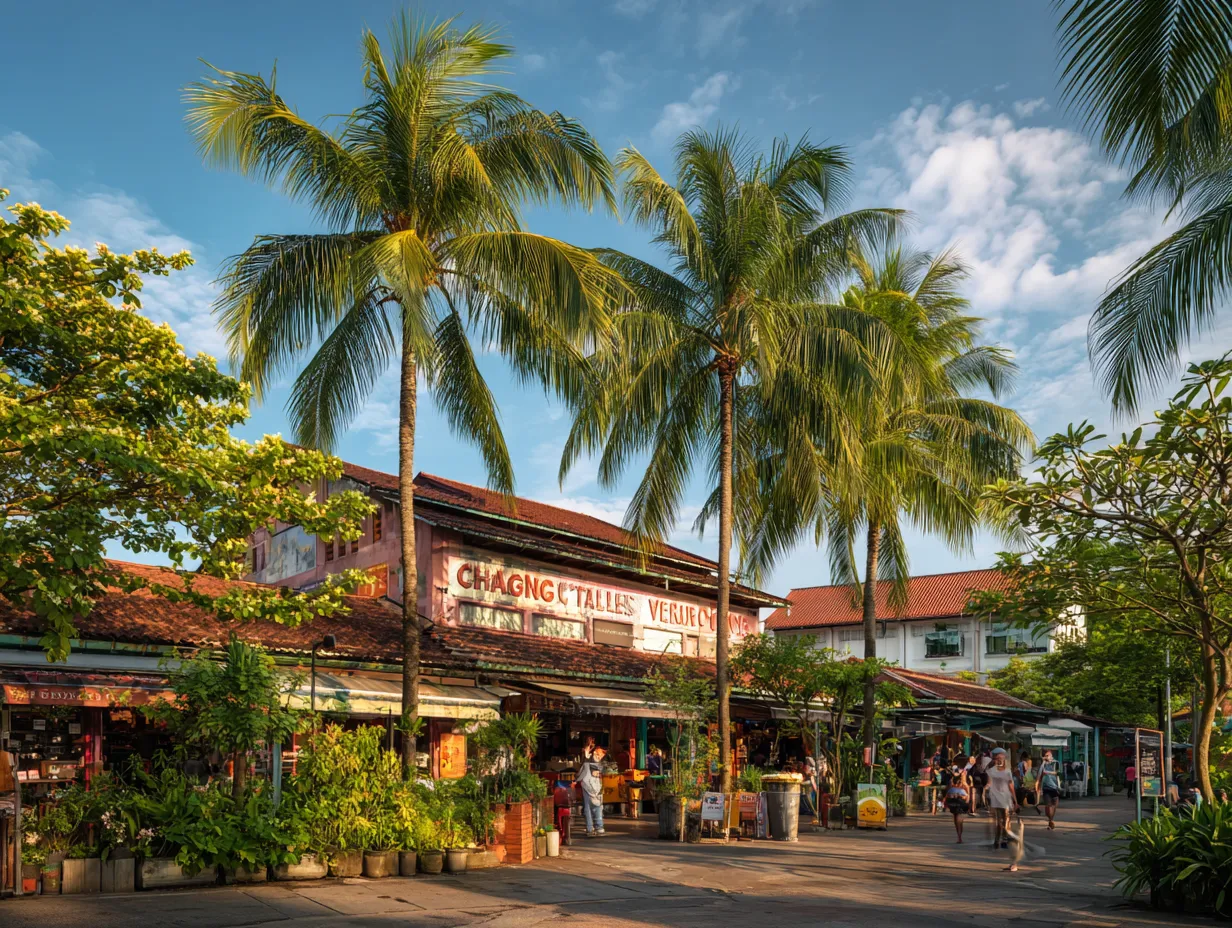
Seaside makan at Changi Village
Neighbourhood hawker centre in Changi Village known for classic Singaporean hawker stalls, seafood bites and kopi kaya t...