Durian stalls & Malay treats
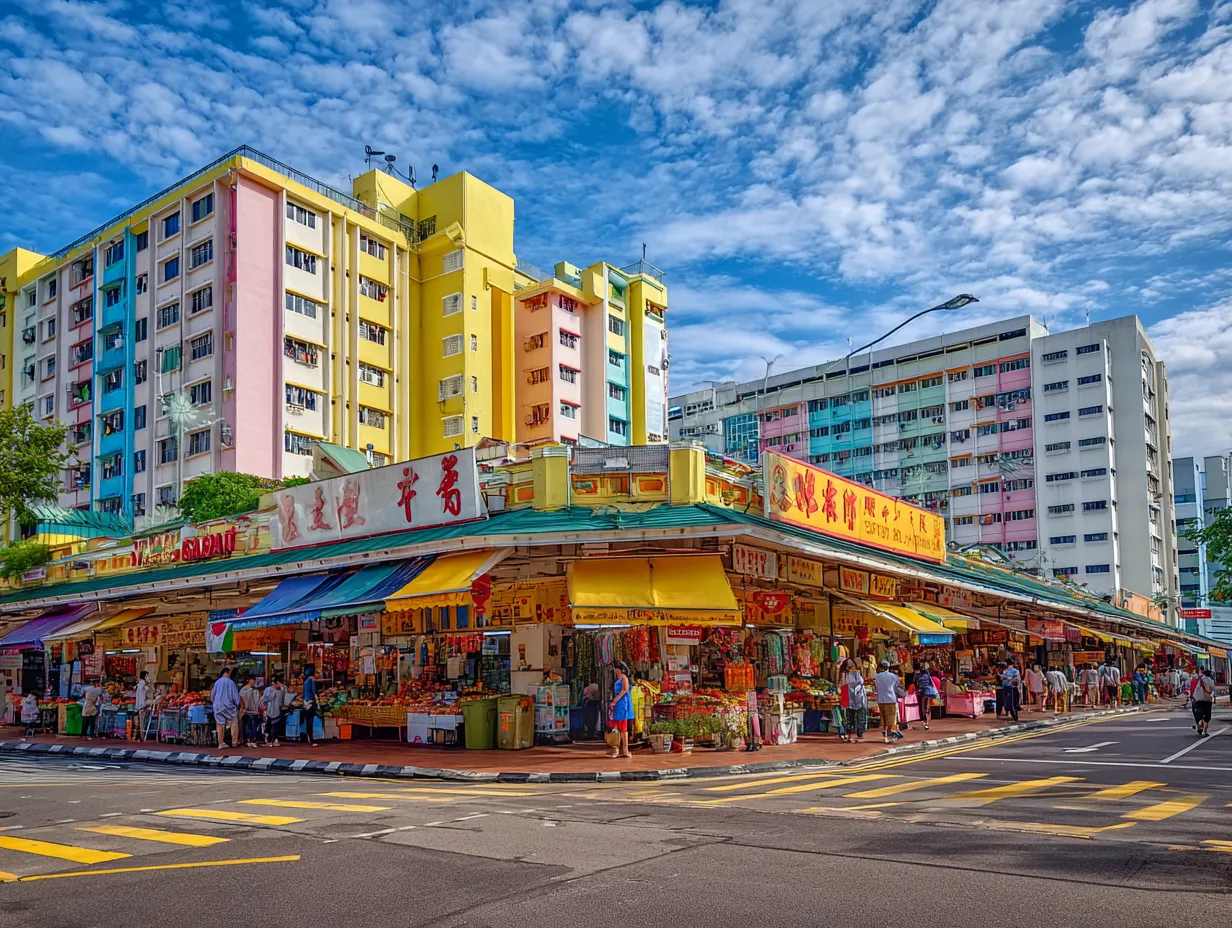
Geylang Serai Market
A bustling heartland hawker centre and wet market in Geylang Serai known for Malay favourites, nasi padang and a lively ...
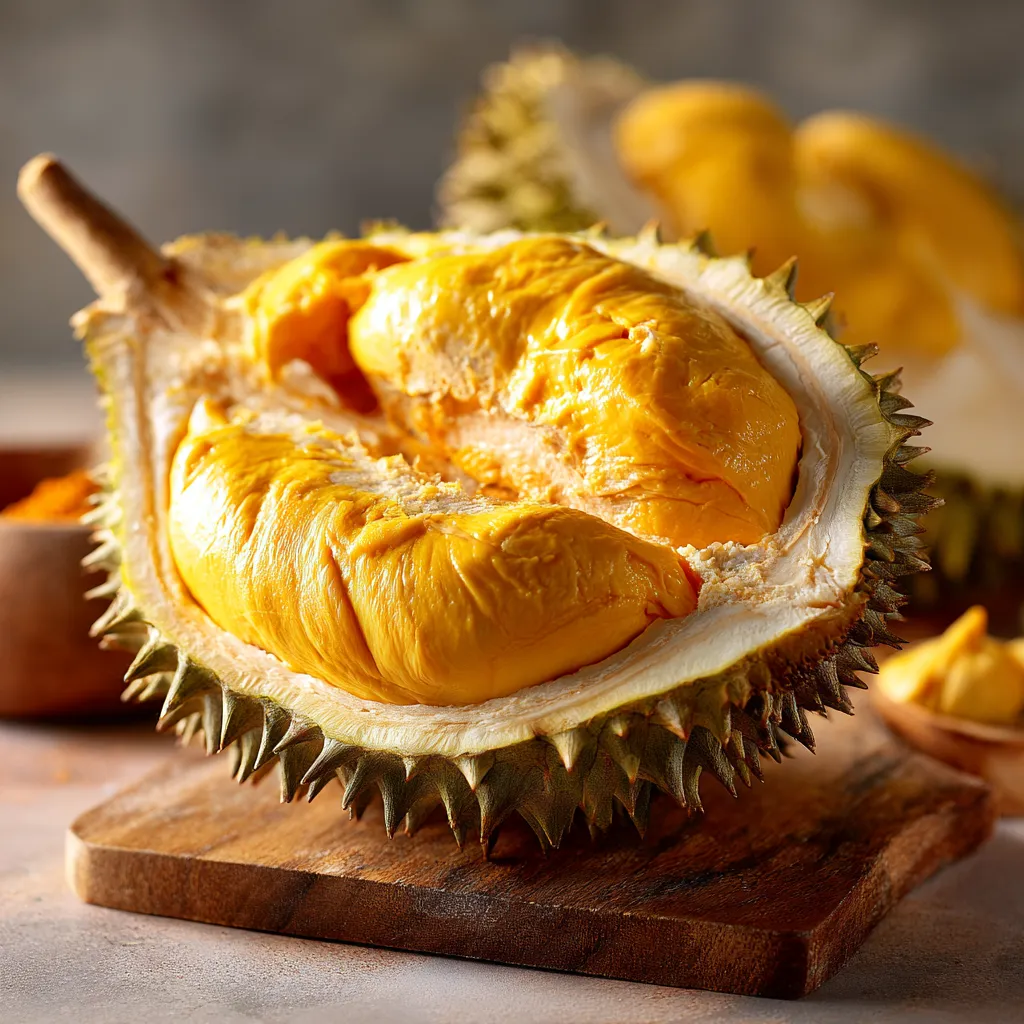
A practical Singapore guide to finding, choosing and buying the best durian — from Mao Shan Wang to D24 — with neighbourhood tips and makan trails.
A good durian is a conversation starter — and a reason to roam your neighbourhood after dark.
Ask for a sample before you buy; the best sellers know that taste sells.
Durian is more than a fruit here — it’s a seasonal ritual, a topic for friendly debate at the kopitiam and a marker of neighbourhood pride. From office lunchroom conversations to late-night Geylang runs, Singaporeans take their durian seriously and know the difference between a good M.S.W. (Mao Shan Wang) and a run-of-the-mill D24.
If you’re visiting or new to Singapore, understanding where to buy durian and how we eat it will make your experience more enjoyable — and less smelly for your Airbnb host. This guide gives local-tested stalls and practical tips for buying durian across the island, whether you want a premium Mao Shan Wang or a budget-friendly tray of freshly opened D24.
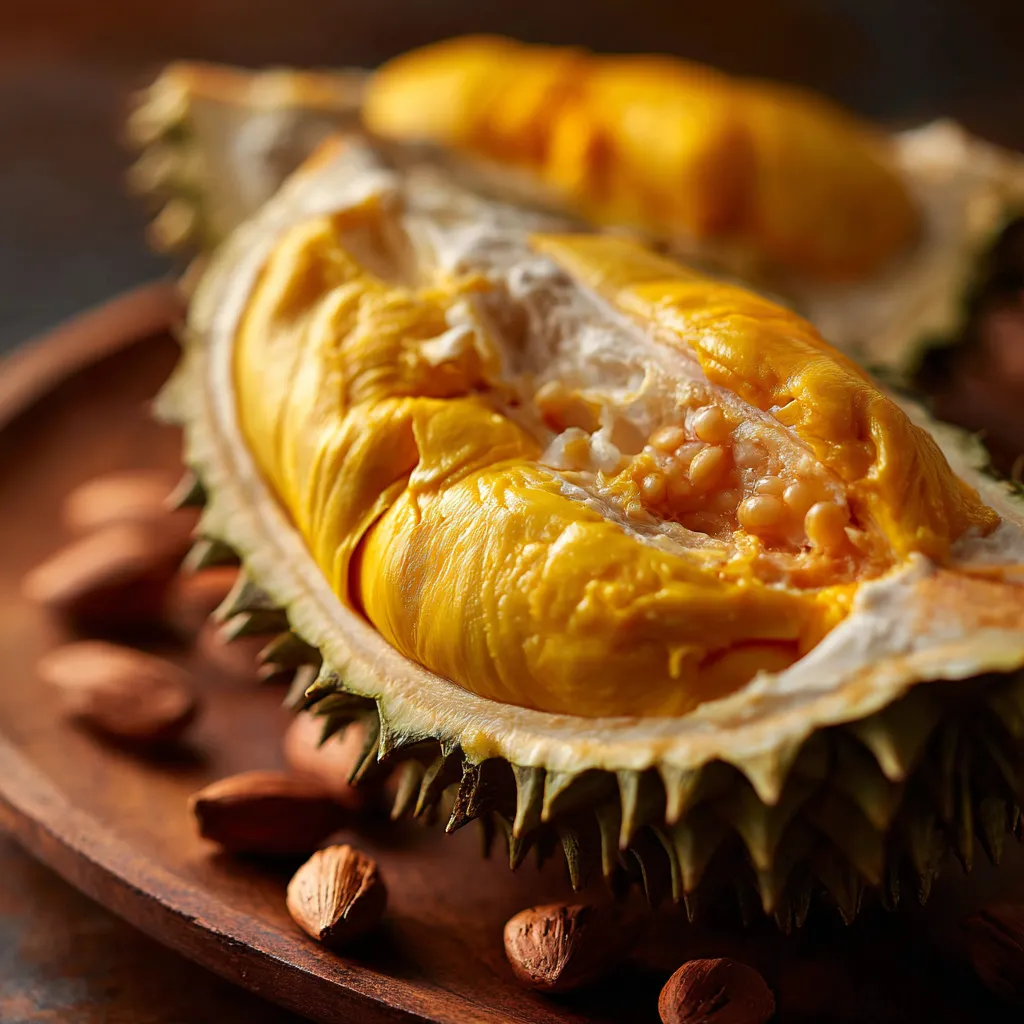
Geylang — the most famous durian neighbourhood — is known for long rows of specialist stalls selling everything from Mao Shan Wang to seasonal XO. Many stalls open late into the night and offer free samples so you can compare texture and taste before committing.
Balestier & Novena — close to central Singapore, you’ll find smaller family-run stalls with consistent quality; these are convenient for CBD workers looking for a quick after-work buy.
Tampines & East Coast — heartland markets and food centres in the east often have excellent prices and local varieties. Ideal if you’re pairing durian with seafood at East Coast Park for a true Singapore makan outing.
Changi Village and neighbourhood kopitiams — quieter than Geylang but reliable, especially for weekend mornings when families pick up durians to bring home.
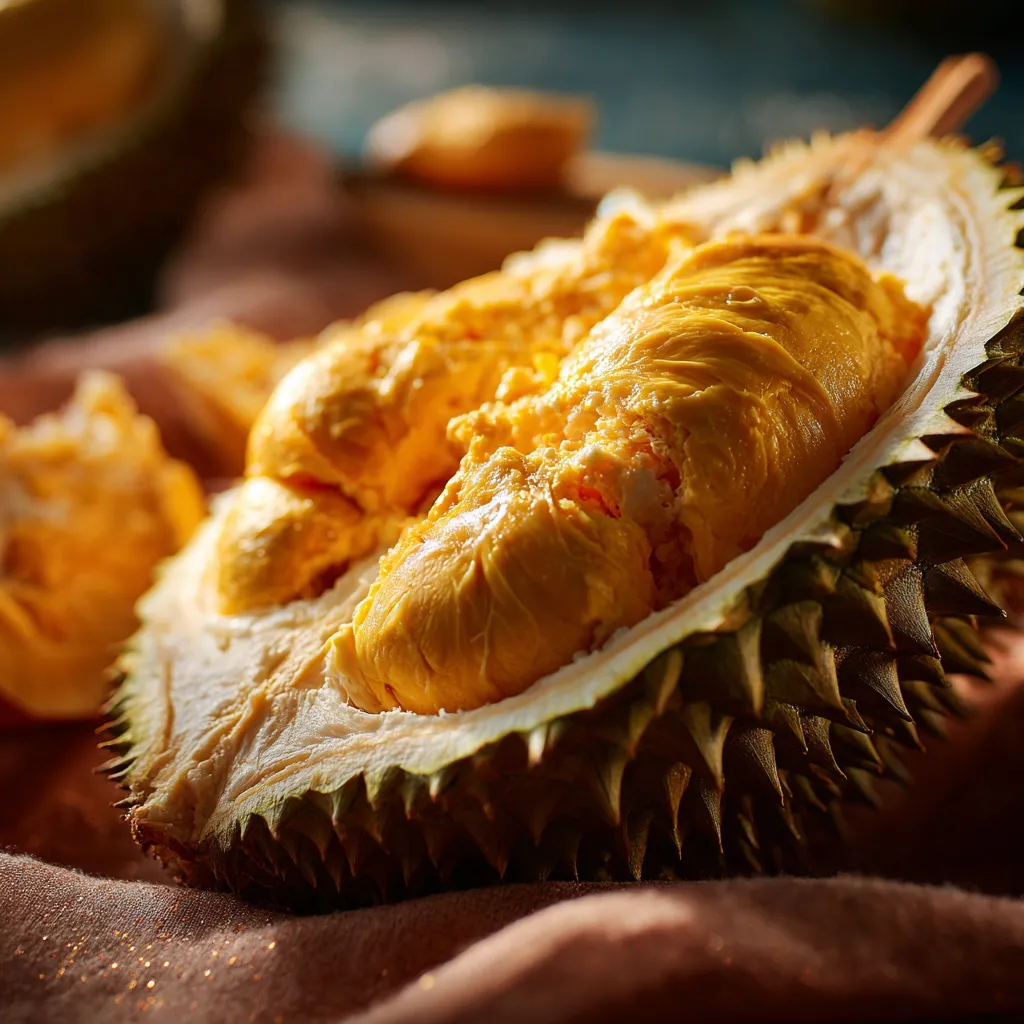
Variety matters: Mao Shan Wang (Musang King) is prized for its bittersweet custard and intense aroma; D24 is creamier and milder; XO tends to be stronger, drier and alcoholic-tasting. Black Thorn and Golden Phoenix are other premium varieties to look for when in season.
Use simple checks: smell from the stem (not the husk), look for a fresh green stem (too dry suggests old fruit), tap for a hollow sound to judge ripeness, and ask for a sample if the stall offers one. Reputable sellers will cut open a test pod so you can see colour and texture before you buy.
Be aware of grading and pricing. Vendors often sell whole fruit by weight (per kg) or by pre-cut portions. A premium Mao Shan Wang will cost significantly more than D24, but a good vendor will let you inspect the flesh before handing over the cash.
Durian buying is seasonal but available year-round in Singapore thanks to imported fruit and local seasonal peaks (main seasons typically in the middle of the year). Expect higher prices during peak demand weekends and holidays.
Etiquette: many HDB estates and hotels prohibit durians in lifts and rooms because of the smell; avoid bringing durian into enclosed public transport. When eating at a kopitiam or hawker centre, keep the area tidy and use disposable plates or bring your own small tray.
Safety & health: durian is rich and high in calories — enjoy in moderation. If you have heart problems or specific dietary restrictions, check with your doctor before indulging.
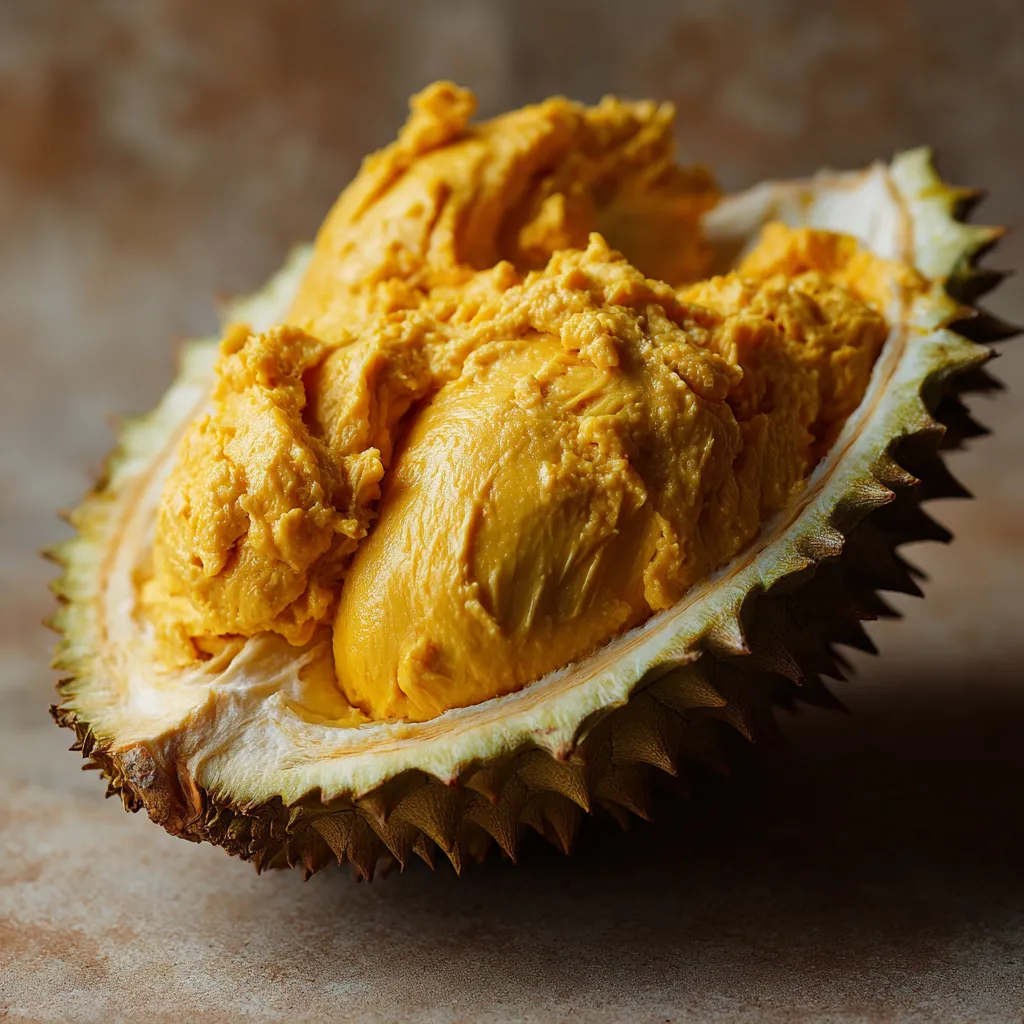
Make a half-day durian run: start at a morning market in the east for a budget-friendly buy, sample a premium Mao Shan Wang in Geylang after lunch, then end with seafood at East Coast for a true local feast. Balestier or Novena make convenient mid-island stops for office workers.
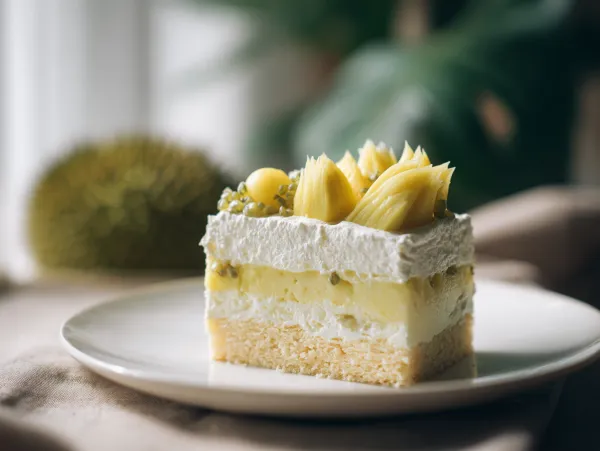
If you want a calmer experience, pick a weekend morning and visit a neighbourhood market — sellers are friendlier, prices are often better, and you can eat at nearby kopitiams. For at-home dessert ideas, try a durian mousse cake using fresh pulp as an ingredient for a Singapore-style twist.