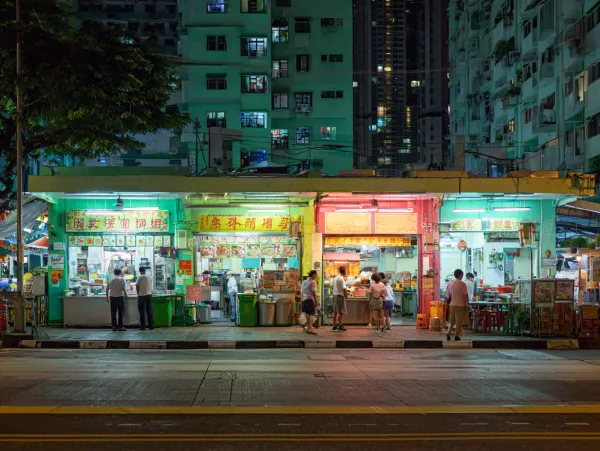

Late‑night dim sum classic
Swee Choon Tim Sum
Popular late‑night Cantonese dim sum restaurant in Jalan Besar, best known for its liu sha bao (molten salted egg buns) ...
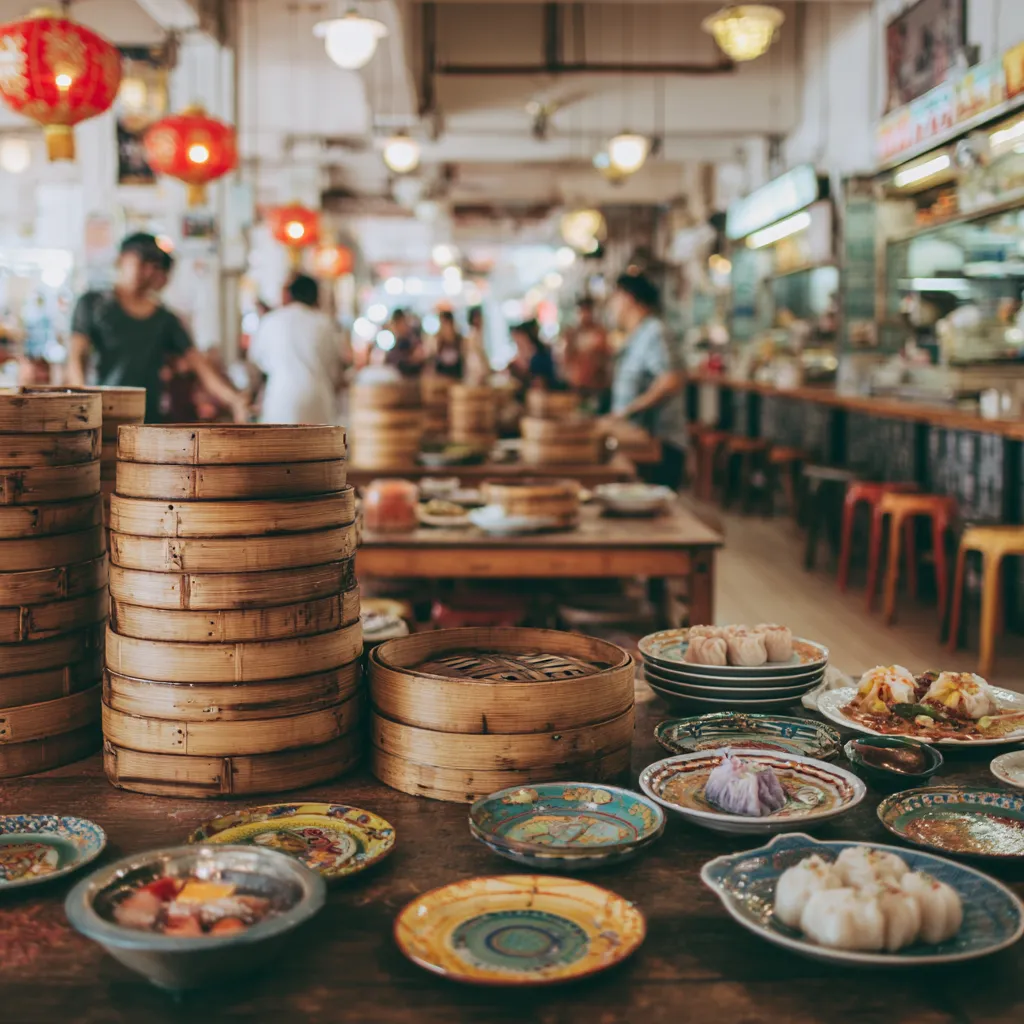
A practical Singapore guide to finding satisfying dim sum buffets and budget-friendly weekend spreads under $30, with neighbourhood tips and what to order.
Smart sharing and weekday timing can turn a dim sum run into a full meal for under $30 — the local way to makan well without breaking the bank.
Look for neighbourhood stalls and lunchtime sets — the best bargains are often off the tourist trail.
Dim sum is woven into Singapore’s food culture: a weekend ritual for families, a late-night treat for supper crews, and an affordable shared meal for friends. While fine-dining yum cha exists, the heart of the scene is where generous portions, quick service and low prices meet — perfect for makan on a budget.
This guide focuses on places and tactics to keep your dim sum under $30 per person without sacrificing variety. Expect tips tailored to neighbourhoods (Tiong Bahru, Chinatown, Maxwell, East Coast) and the local dining habits — think kopitiams, hawker-centre stalls, weekday lunch sets and occasional hotel lunch promotions.
Look beyond the glossy hotel buffets: your best value often comes from kopitiams, specialist dim sum stalls in hawker centres and casual neighbourhood restaurants that run lunchtime set menus. Chinatown and Maxwell offer cluster options for comparison, while heartland kopitiams (Tiong Bahru, Ang Mo Kio) sometimes host small operators with cheaper steamers.
For travellers and CBD lunch crowds, check food courts in malls around Orchard and Raffles Place for lunchtime combos. Late-night spots such as the famed Swee Choon (popular with supper seekers) are worth a detour for variety, even if they’re not strictly all-you-can-eat — they capture the local dim sum vibe without a premium price tag.
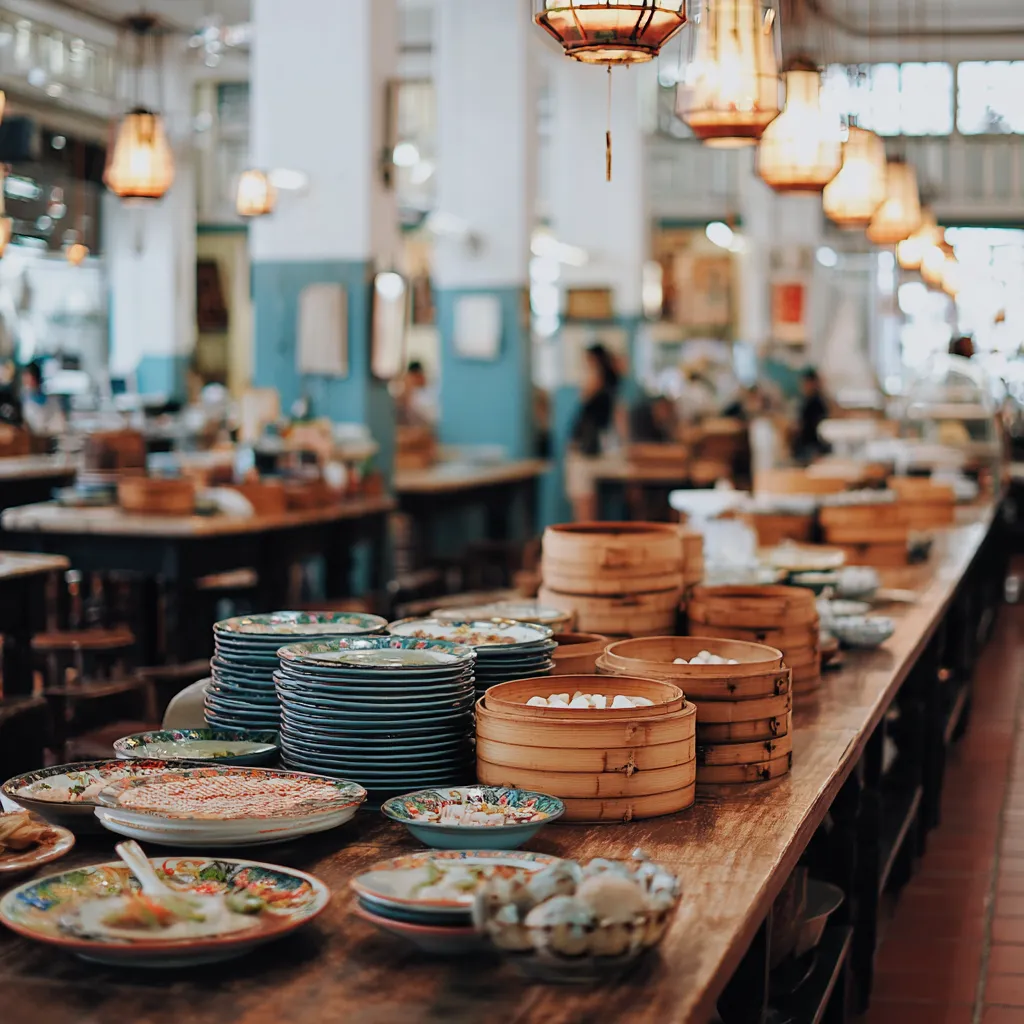
When you’re on a budget, prioritise iconic items that deliver on texture and taste: siew mai for meaty umami, har gao for silky shrimp, cheong fun for slippery rice-roll satisfaction, and char siew baos for a sweet-savory hit. These classics are filling and usually priced reasonably by the piece.
Don’t skip rice-based items like lo mai gai (sticky rice in lotus leaf) or affordable steamed dishes — they stretch your dollar and keep you full. Finish with a Hong Kong–style egg tart or a custard bun — small, local desserts that often appear at dim sum counters and at-home recipe options if you want to recreate favourites.
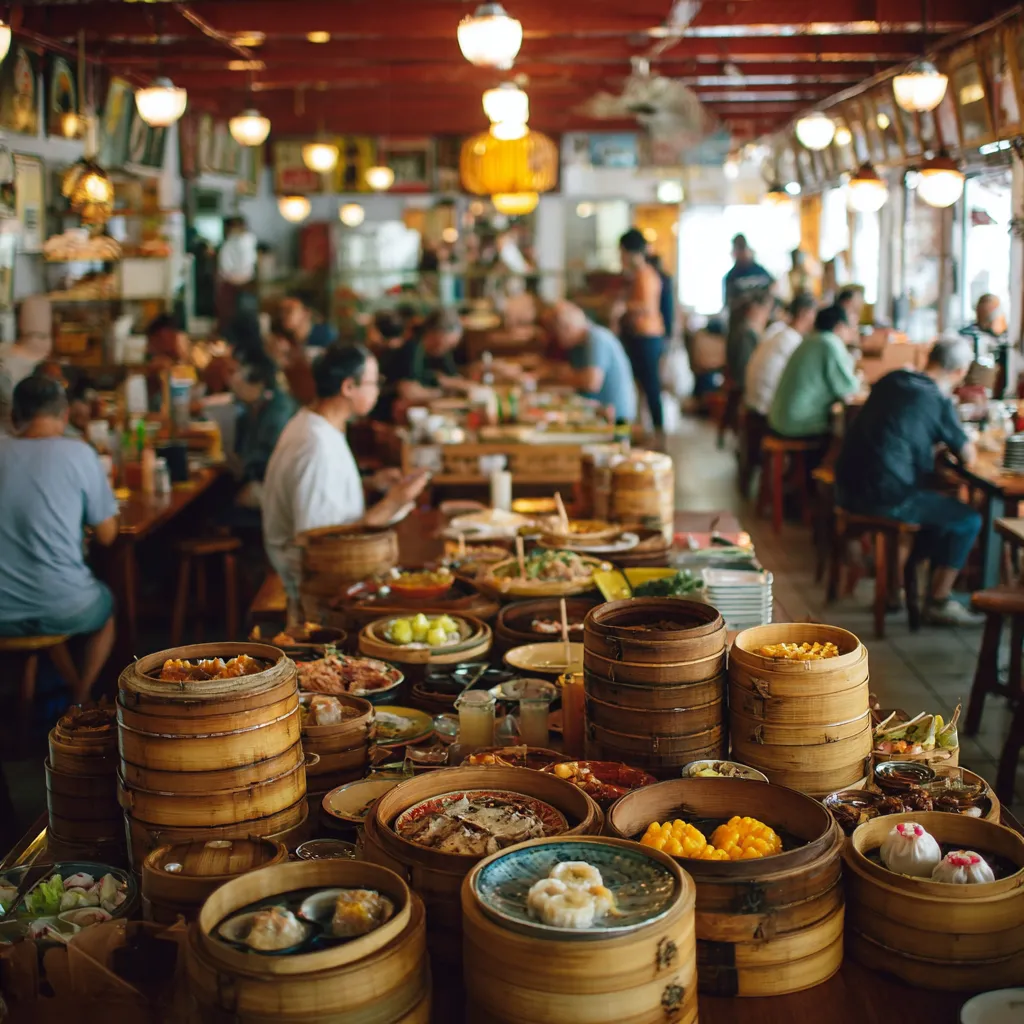
Timing matters. Weekday lunch sets often shave a chunk off prices compared with weekend brunches. Arrive early for the freshest steamers and avoid queues, or come slightly after peak (late afternoon) when some stalls reduce selection but offer leftovers at lower prices.
Share strategically. Order a mix of one-per-person staples plus a few larger plates to share — sticky rice, steamed spare ribs, or a plate of rice rolls. Keep an eye on portion sizes and pricing (per piece vs per plate) and communicate clearly with servers. For buffets, scope the layout first: start with items you rarely make at home and skip repeat carbs if you want variety.
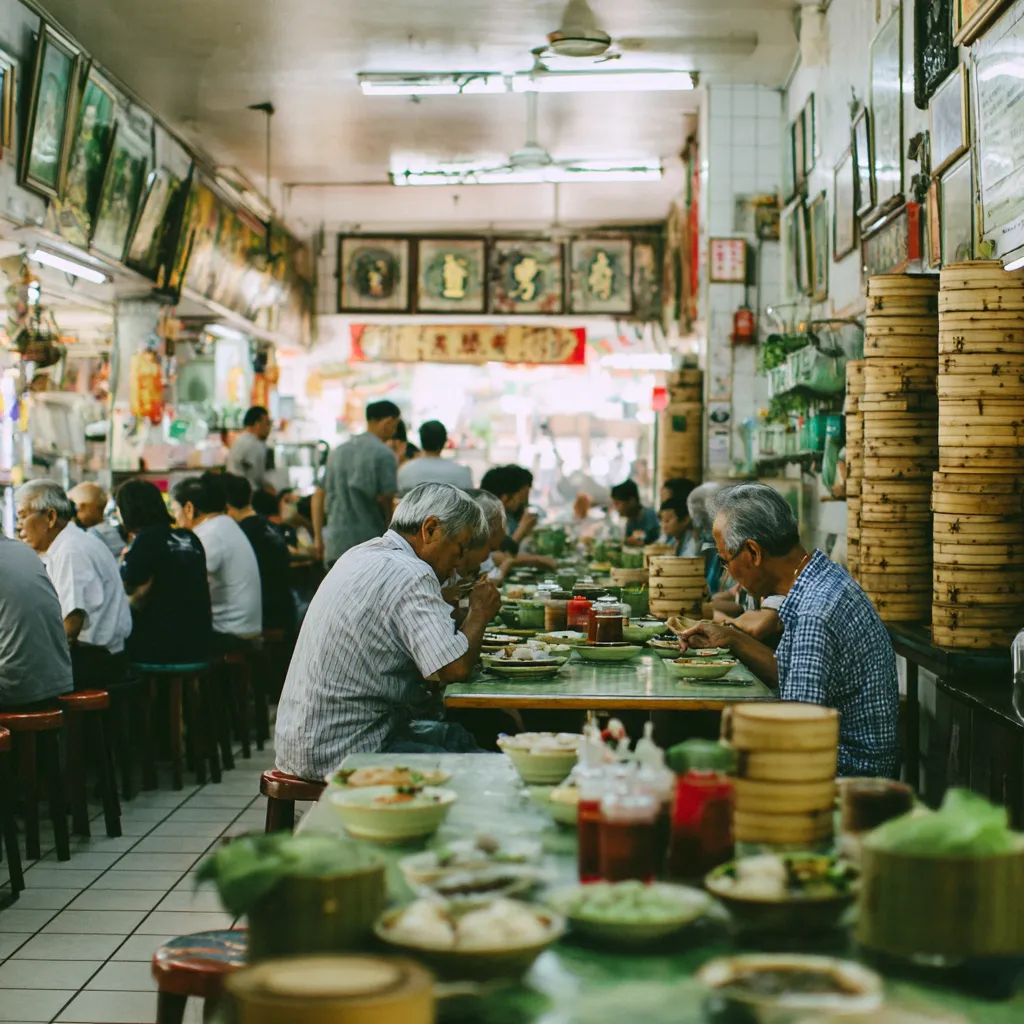
Tiong Bahru kopitiam trail (budget brunch): start with a few steamed classics and rice rolls at a neighbourhood stall, add a shared lo mai gai and finish with a couple of egg tarts — plenty to fill two people comfortably under $30 total if you share plates. Pair with kopi or teh from the same kopitiam for an authentic local combo.
Chinatown + Maxwell quick loop (tourist-friendly): build a short trail by trying a small plate at Maxwell (famous for breakfast and lunch crowds) then cross to a nearby kopitiam for a shared basket of dim sum. Break up the visit with a stroll through the market — you’ll get variety without hitting heavy tourist prices.