
Seafood feasts by the water
East Coast Seafood
A classic East Coast Park seafood restaurant famed for messy chilli crab, punchy black pepper crab and large sharing pla...
A practical Singapore guide that separates overhyped chilli crab tourist traps from the neighbourhood gems locals swear by, with tips on where to go, what to order and how to eat it like a Singaporean.
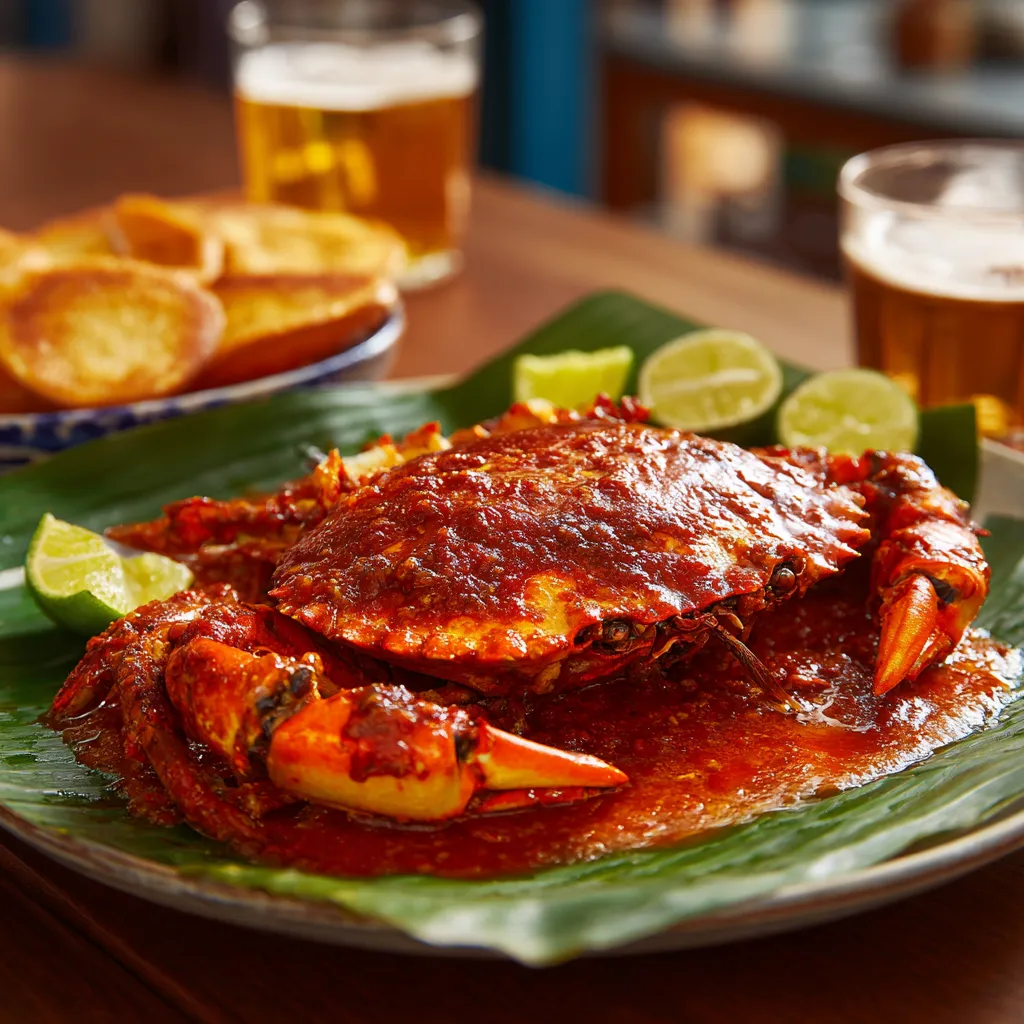
A good chilli crab is more about the sauce than the crab — thick, balanced and begging for mantou.
If locals queue for a place, that usually beats a riverside view with overpriced, bland crab.
Chilli crab is one of Singapore’s most famous dishes — messy, celebratory and unapologetically local. Born from the island’s seafood culture and hawker-turned-restaurant evolution, the dish is typically made with large mud crabs cooked in a sweet-savory, tomato-and-chilli-based sauce, finished with beaten egg for silkiness.
Beyond taste, chilli crab is social: it’s something you order for sharing, best enjoyed with family or a big group over mantou (fried buns) and a cold drink, usually in an East Coast seafood joint or a CBD zi char during weekend dinner service.
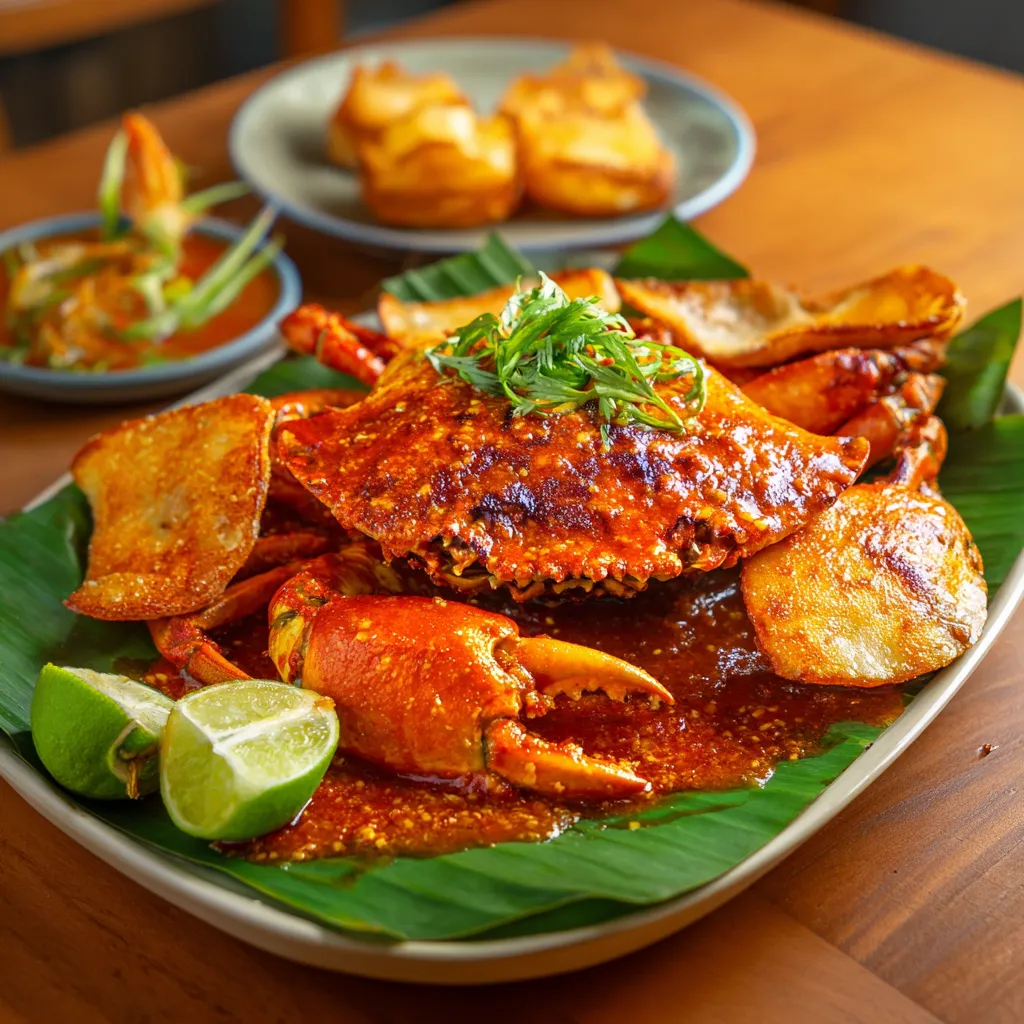
Not every seafood restaurant with flashy photos and a riverfront view is a trap, but there are patterns to watch for: menu prices that jump sharply at peak hours, skimpy crab portions (small ‘market’ crabs passed as large), and heavy reliance on tourist trade rather than regular local customers.
You’ll also notice some places prioritise presentation and location over seafood quality — long waits for overcooked crab, sauce that tastes more like ketchup than balanced chilli-tomato, or menus stuffed with generic international dishes instead of a focused seafood offering.
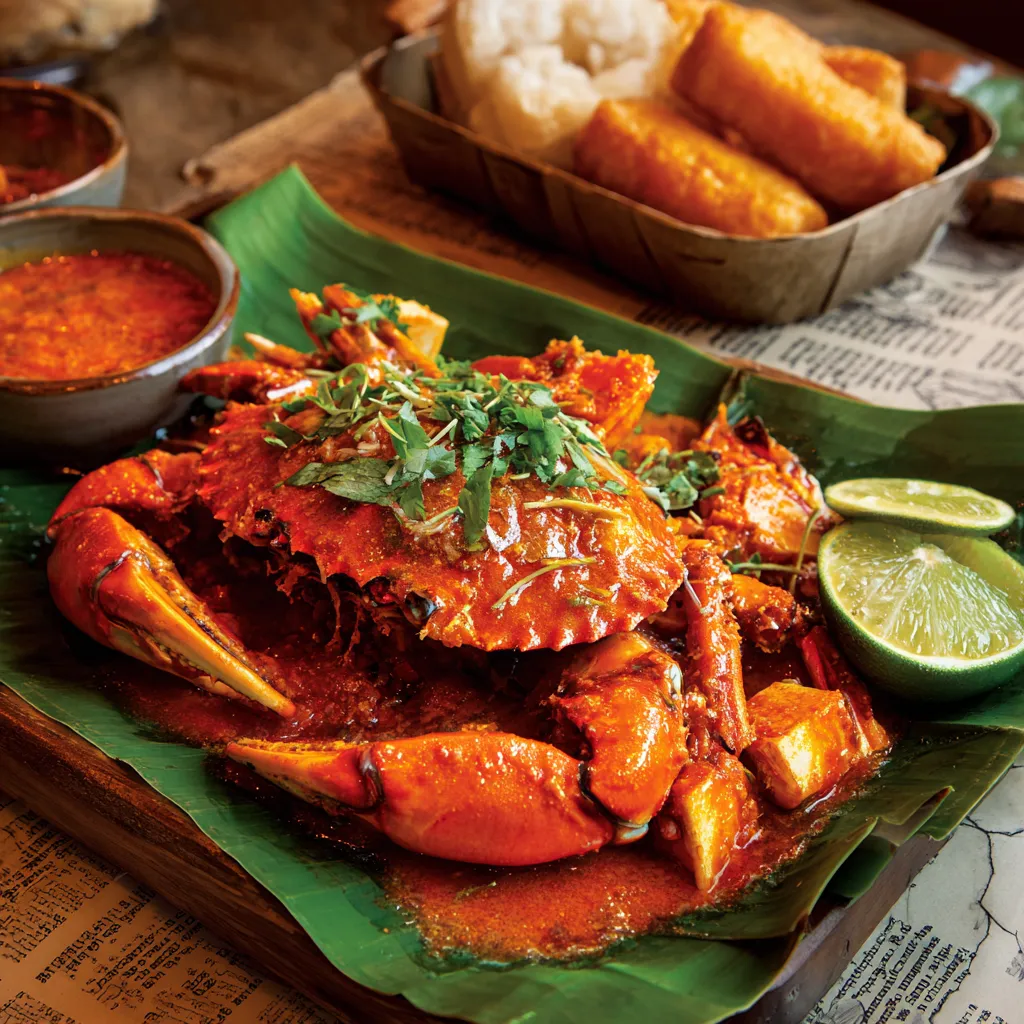
Locals still head to the classic seafood houses and heartland zi char joints for dependable chilli crab. The East Coast remains iconic for beachfront seafood feasts, while Tanjong Pagar, Ang Mo Kio and neighbourhood seafood restaurants serve great value and fresher crabs without the inflated tourist markup.
Places favoured by Singaporeans often have focused seafood menus, familiar staff who know how to recommend crab sizes, and a steady local crowd after work and on weekends — signs that quality and price are in balance.
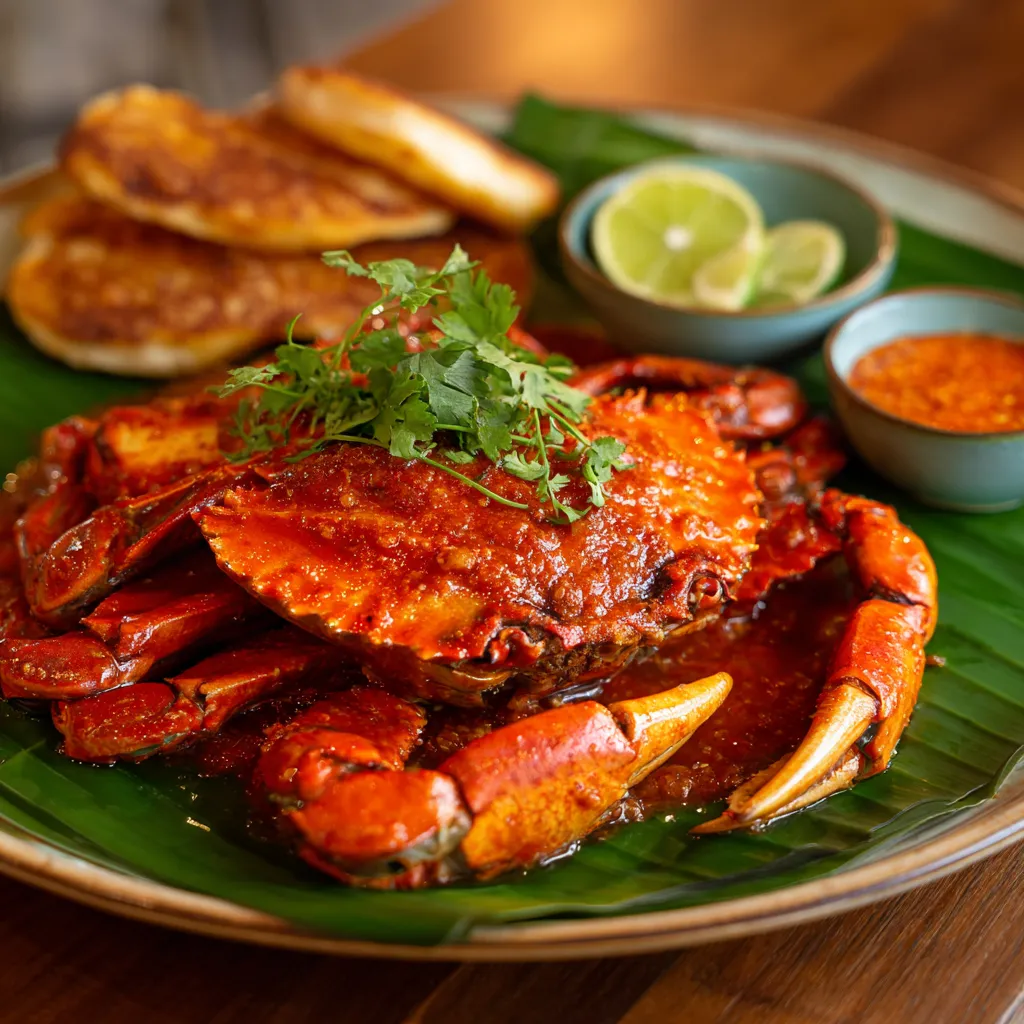
Ordering: ask for crab weight (usually in 500g increments) and whether the kitchen uses fresh mud crab. A medium crab (around 700–900g) is a comfortable size for two; go larger for four or more. Ask for “extra sauce” if you plan to dunk mantou.
Eating: bring wet wipes (many places supply them), order a bowl of rice or mantou to mop up the sauce, and use crab crackers and small forks to reach the meat. Pace yourselves — the best bites are the claw meat and the creamier body sections.
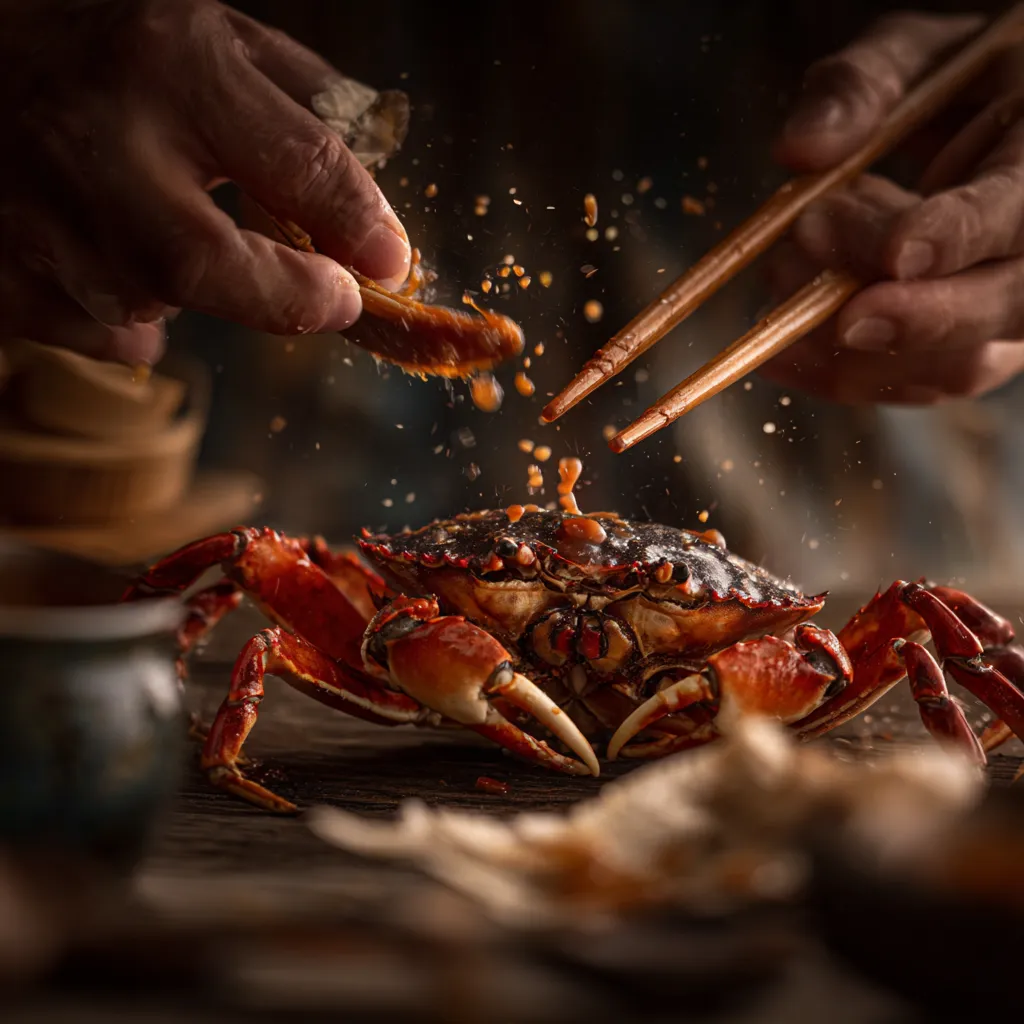
Timing: avoid peak tourist lunch hours if you want value; aim for weekday dinners or early-evening weekends when locals arrive. For an East Coast trail, pair grilled sambal stingray or cereal prawns and finish with coconut desserts along the beachfront.
At home: if you’d rather recreate the flavour, our chilli crab sauce recipe and salted egg crab guide are handy — they let you control spice and sweetness and are perfect for a DIY seafood night.