Neighbourhood izakaya experience
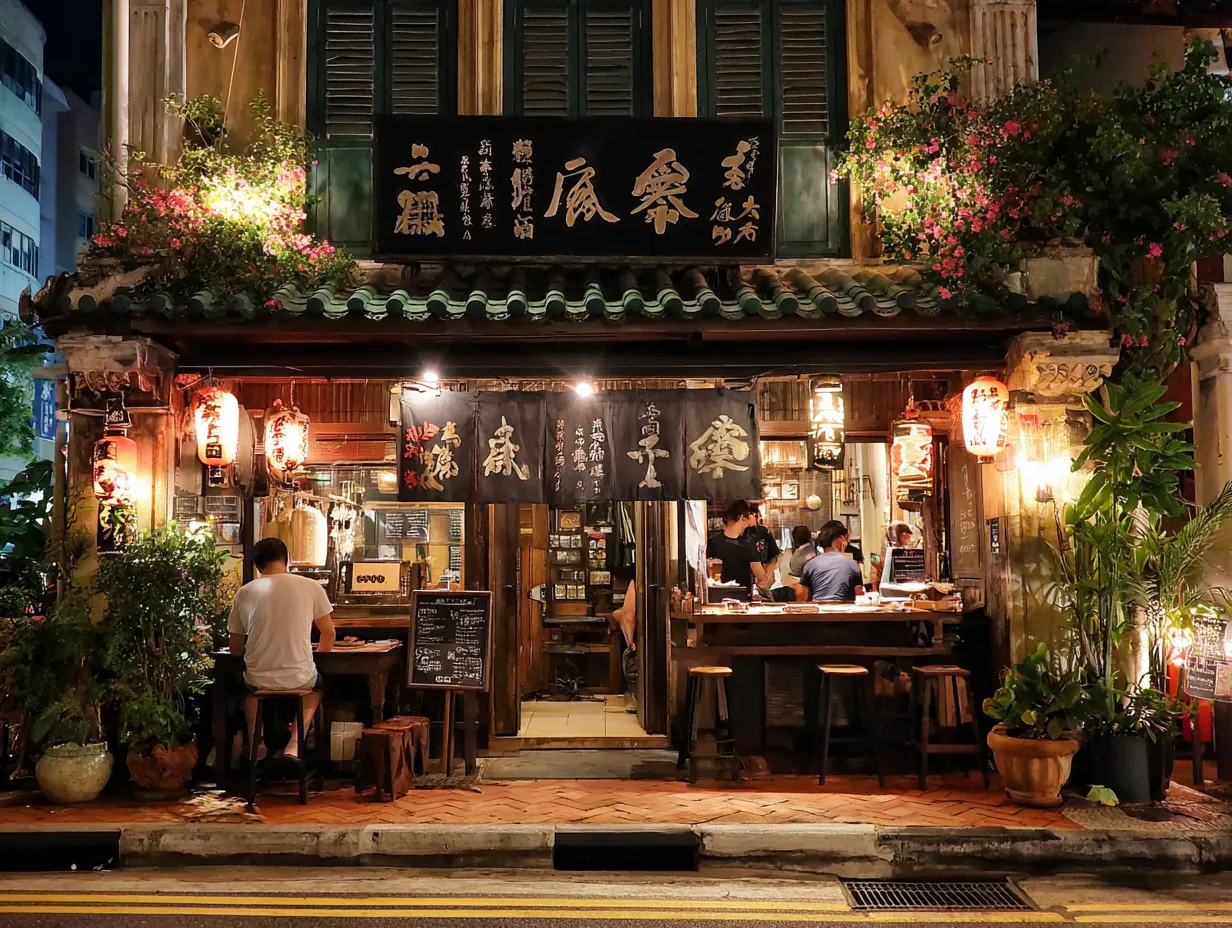
Sakura Izakaya
Cosy Japanese izakaya in Tanjong Pagar known for charcoal-grilled skewers, small plates and an extensive sake list....
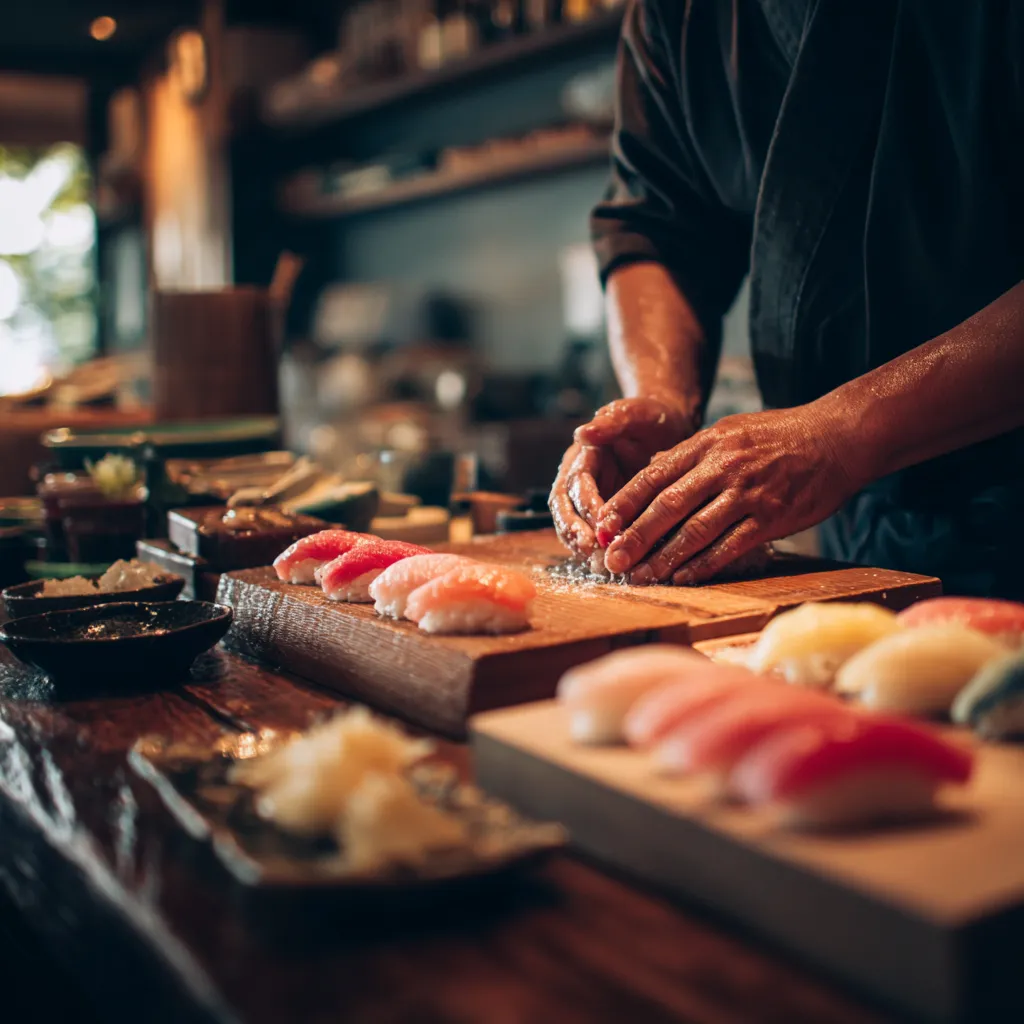
A Singapore-focused guide to appreciating sushi — history, technique, neighbourhood sushi bars and practical tips for makan like a local.
Good sushi is simple — great rice, perfect cut, and respect for seasonal fish.
In Singapore, sushi can be a hawker-style lunch or a slow omakase dinner — both are equally valid ways to makan.
Sushi in Singapore sits at the crossroads of high craft and everyday makan culture — from refined omakase counters in Orchard to friendly izakayas in the heartlands. The city’s appetite for Japanese technique means sushi is both a special-occasion treat and a casual supper option.
Local chefs train hard to balance two essentials: perfectly seasoned shari (sushi rice) and precise knife work. You’ll notice Singapore diners appreciate freshness and texture — hence the popularity of sashimi, nigiri and small plates that pair well with beer or sake after work.
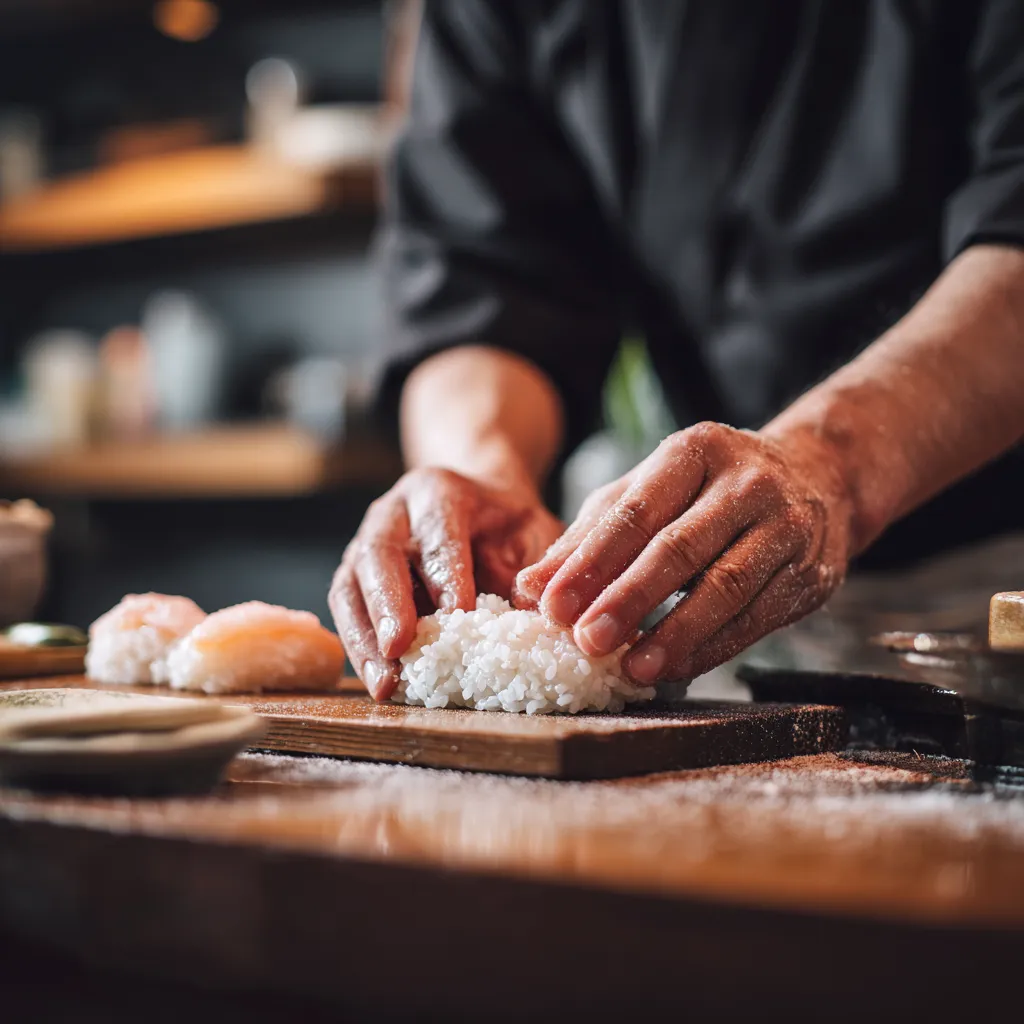
If you’re hunting for refined omakase, the Orchard and CBD areas host several chef-driven counters where the meal is a curated, multi-course experience. For a more social, casual vibe, head to izakayas in Tiong Bahru, Bugis and the East Coast where small plates and sashimi are the norm.
Don’t discount hidden finds in kopitiam-style food halls and mall basements — fresh sushi and sashimi stalls often do brisk lunch trade with the CBD lunch crowd. Late-night sushi is popular near nightlife hubs; look for humble counters with steady queues.
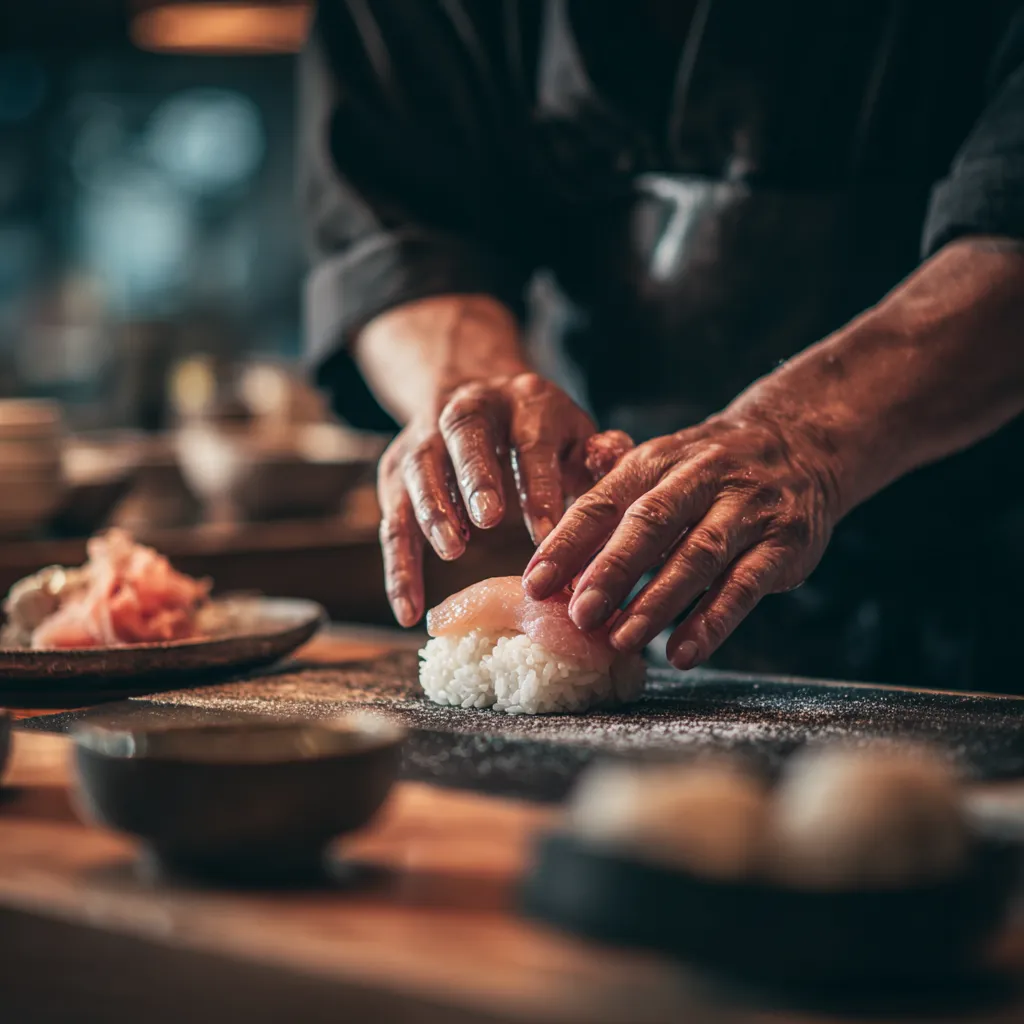
Start simple: nigiri (fish over rice) reveals a chef’s rice seasoning and knife skills. Try salmon or chutoro if you want fatty, melt-in-the-mouth texture; akami (lean tuna) shows clean flavour. Sashimi is a test of fish quality — minimal seasoning, maximum freshness.
For a local twist, order small plates like takowasa or Japanese-style salads alongside sushi — they offer contrasting textures and make for a balanced meal. Many Singapore diners pair sushi with miso soup or a cold beer for a satisfying, casual makan session.
Etiquette in Singapore blends Japanese tradition with local pragmatism. At a counter, a simple 'omakase' lets the chef guide you through seasonal pieces — a great way to experience craft. If ordering a la carte, pace yourself: start with lighter-tasting fish and progress to richer, oilier cuts.
Practical tips: don’t drown sushi in soy sauce — dip the fish, not the rice, to keep texture intact. Use your hands for nigiri if you prefer; chopsticks are fine too. Tipping isn’t customary in most Japanese-style counters here, though some premium restaurants may add a service charge.
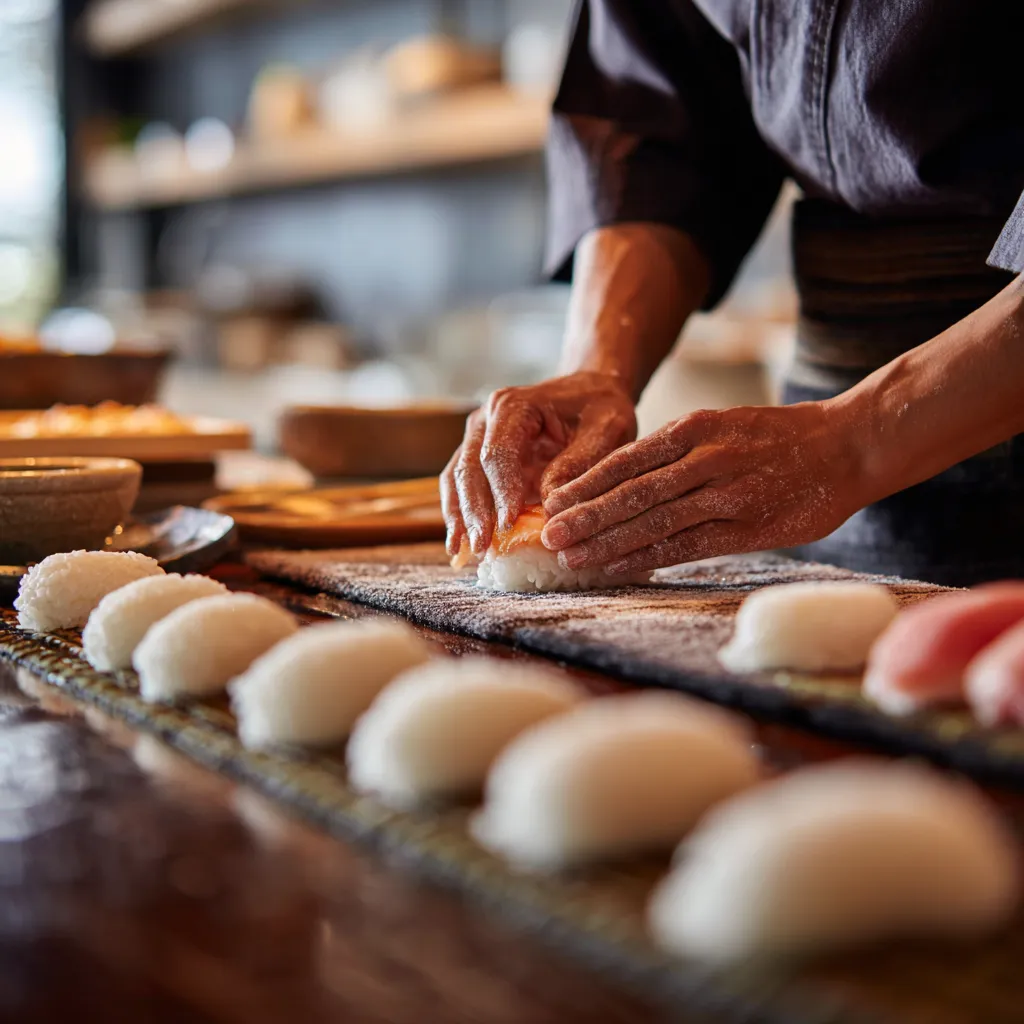
Build a compact trail: start with a light sashimi platter for pre-dinner bites in Tiong Bahru, hop to an izakaya for grilled small plates and sake, then finish with an intimate nigiri-focused counter in Orchard or the CBD. This mix shows off technique, atmosphere and the city’s neighbourhood variety.
Timing matters: early evening (6–7pm) is good for quieter counter seats; weekends and late nights see queues. Combine sushi with nearby kopitiam snacks or a late-night kopi for a truly Singaporean finish.